Freestyle Swimming Mobility and Rotation: How Better Mobility Creates a Stronger Stroke

Freestyle Swimming Mobility and Rotation: How Better Mobility Creates a Stronger Stroke

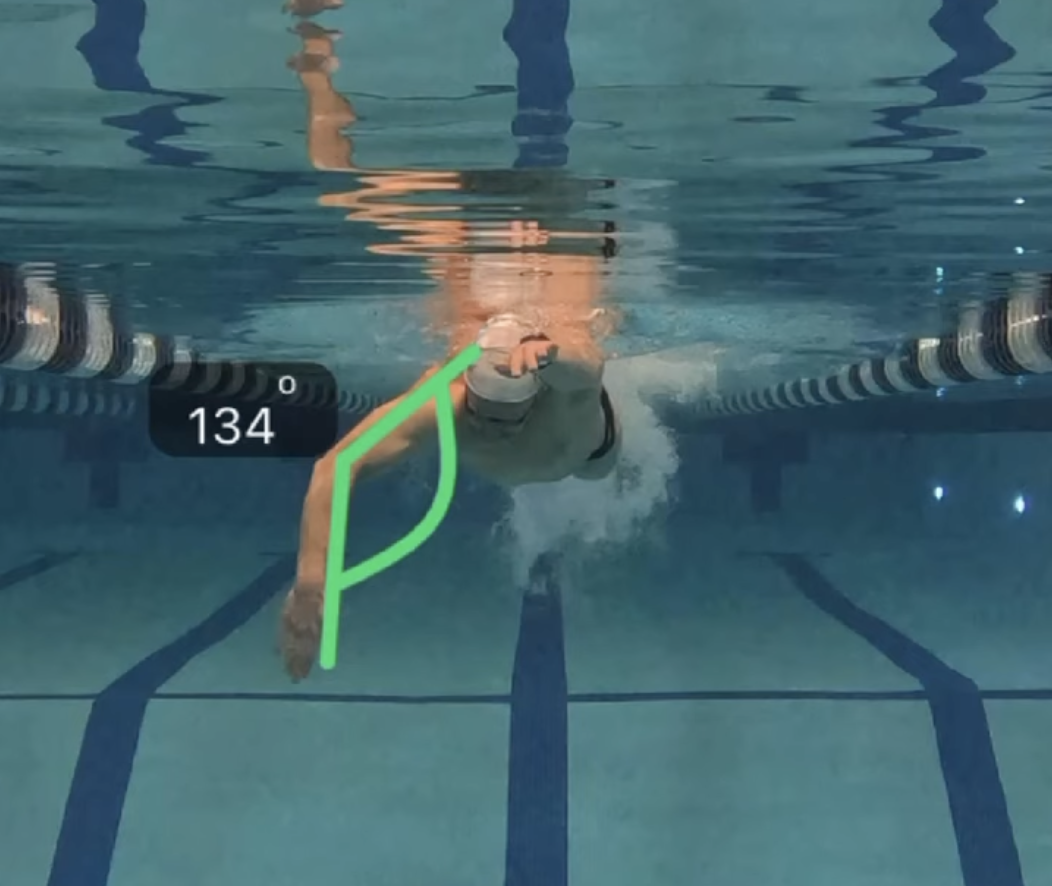
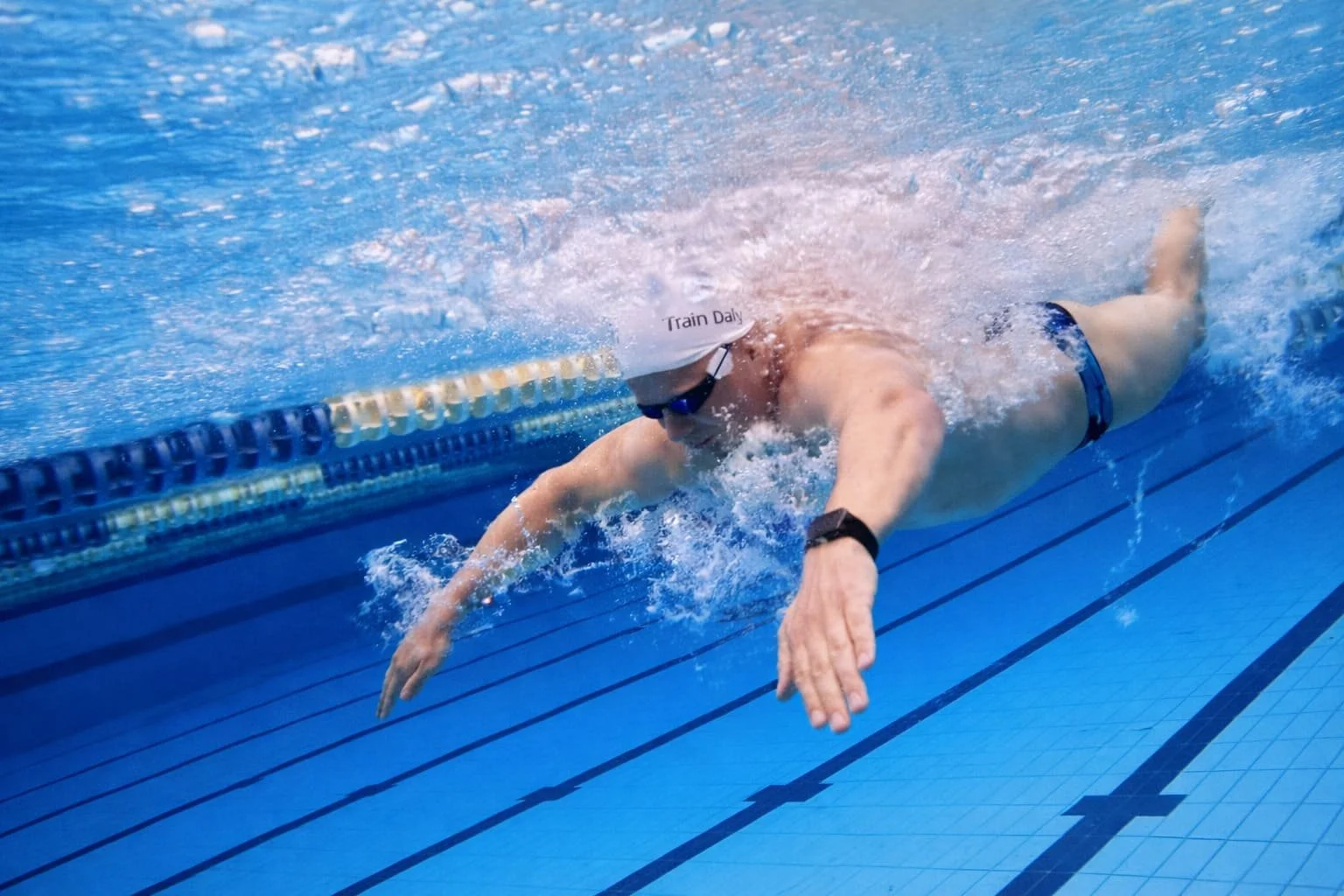
Many swimmers try to improve their freestyle by focusing only on technique, but the real limitation is often mobility. In this guide, Coach Dan Daly explains how shoulder mobility, hip rotation, and thoracic spine mobility work together to create a smoother, more efficient stroke. You'll learn why proper freestyle body rotation matters, how movement restrictions affect your technique, and what simple dryland exercises can help you move better in the water. Whether you're a competitive swimmer, triathlete, or Masters swimmer, improving mobility can make your freestyle feel stronger, lighter, and more connected.

Read More

Swim Current Generator Training: Why I Use It to Build Faster and Stronger Swimmers

Swim Current Generator Training: Why I Use It to Build Faster and Stronger Swimmers

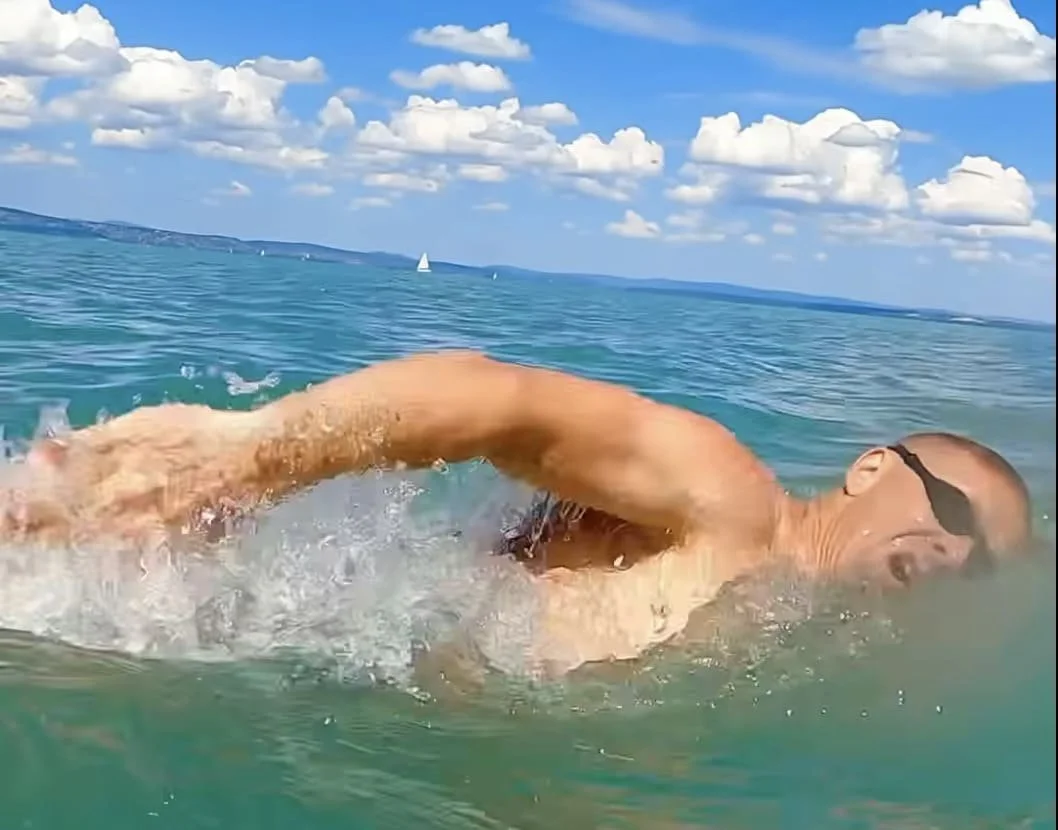
Can a swim current generator make you a better swimmer? Coach Dan Daly shares how he uses current swimming to improve freestyle technique, build endurance, and prepare for open water races. Learn the benefits, limitations, and why a swim current generator is a valuable training tool alongside traditional pool swimming.

Read More

Can You Still Get Faster as an Adult Swimmer?

Can You Still Get Faster as an Adult Swimmer?

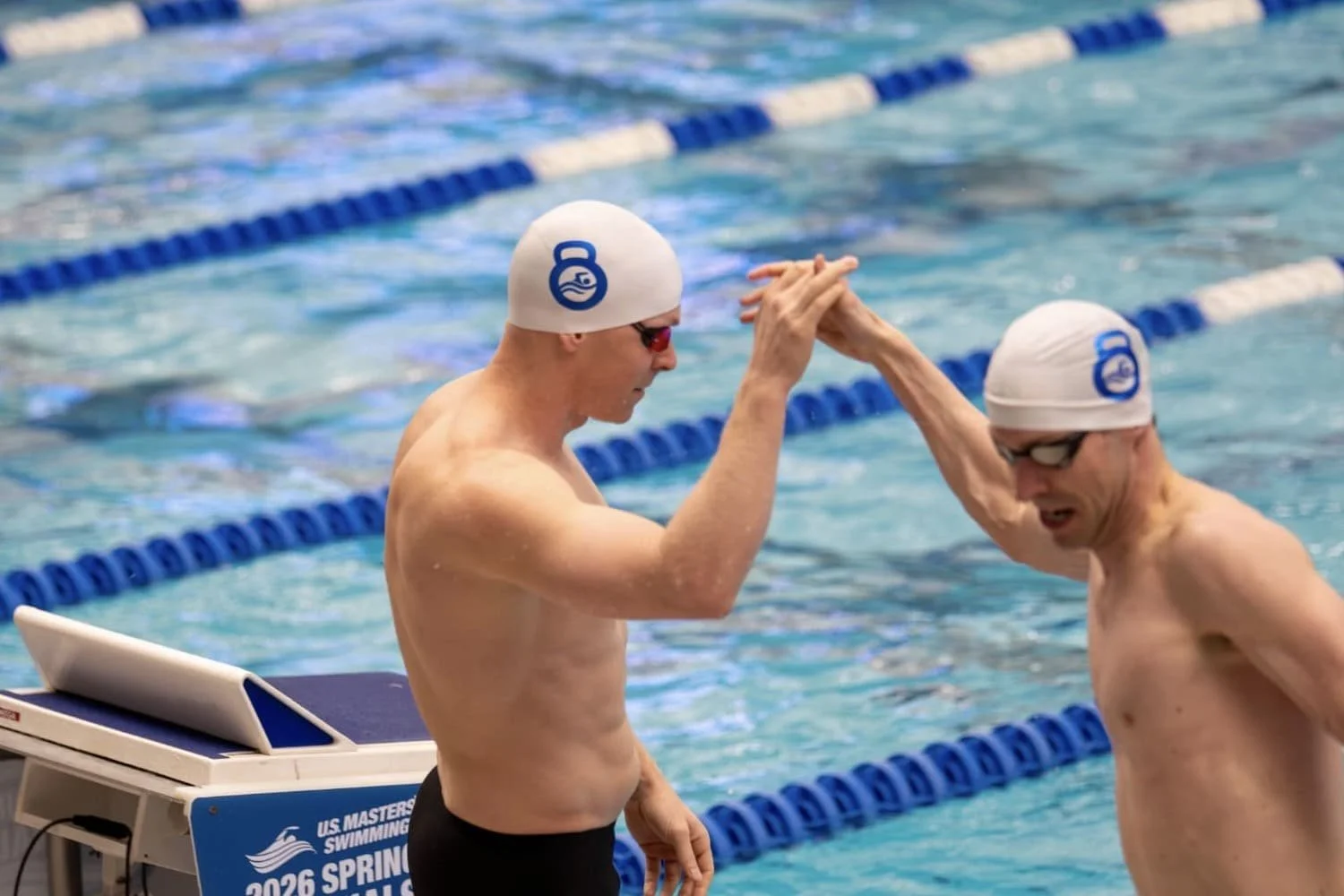
Many swimmers believe getting older means getting slower. My experience as both a coach and athlete has shown the opposite can be true. In this article, I share how smarter training, strength work, recovery, and technique have helped me continue improving after 40—and how these same principles can help Masters and adult swimmers reach new personal bests.

Read More

How to Swim Butterfly with Speed and Power

How to Swim Butterfly with Speed and Power

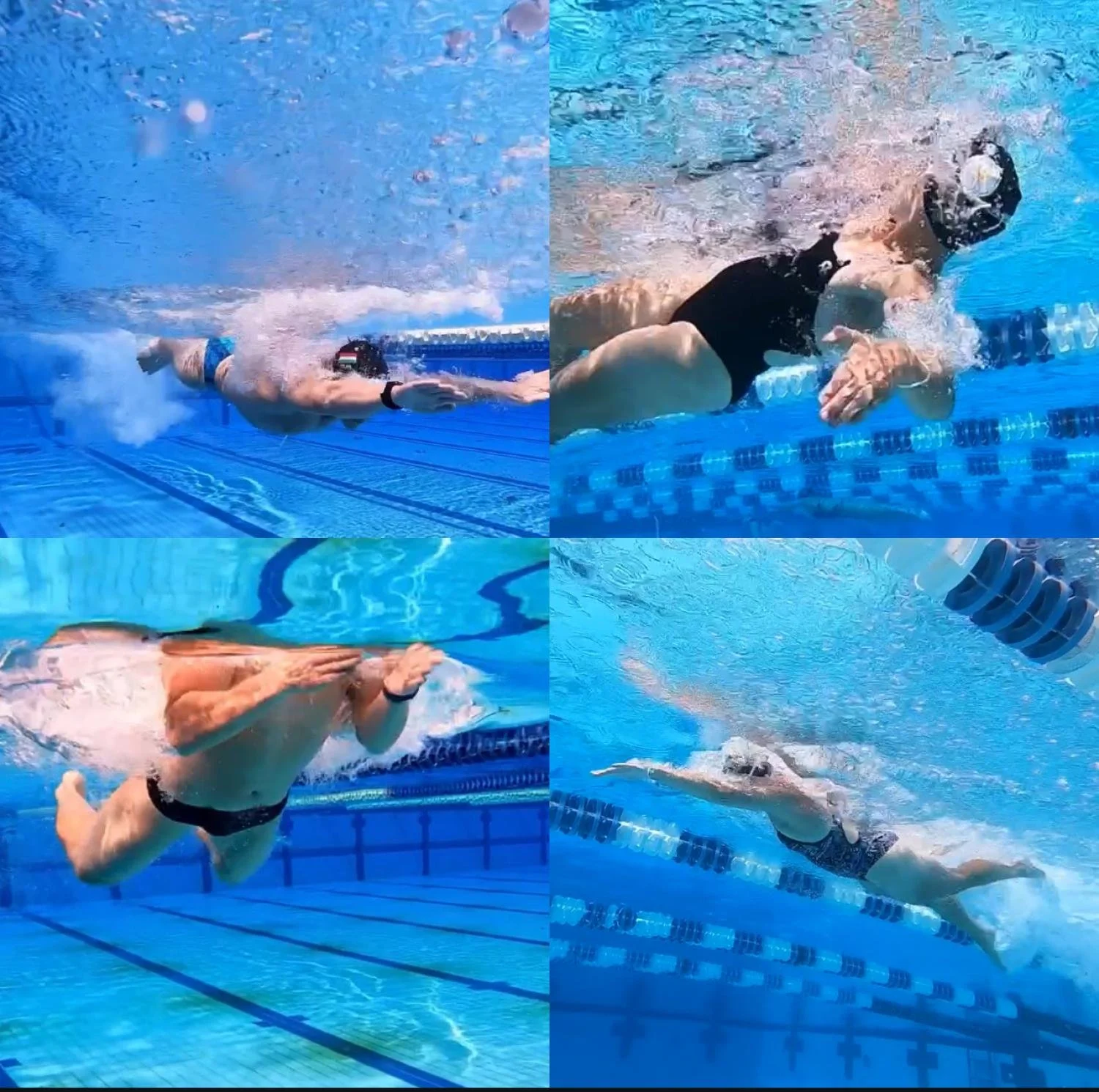
The secret isn't natural talent—it's breaking down this challenging stroke into manageable components. Butterfly swimming combines powerful undulation, properly timed dolphin kicks, and synchronized arm movements to create swimming's most beautiful stroke. While many swimmers struggle with exhaustion or poor technique, my step-by-step approach builds both the skills and confidence needed to swim butterfly effectively. Whether you're a beginner or looking to refine your technique, these proven methods will transform your butterfly from a struggle into a stroke you truly enjoy.

Read More

How to Practice Swimming Without a Pool

How to Practice Swimming Without a Pool

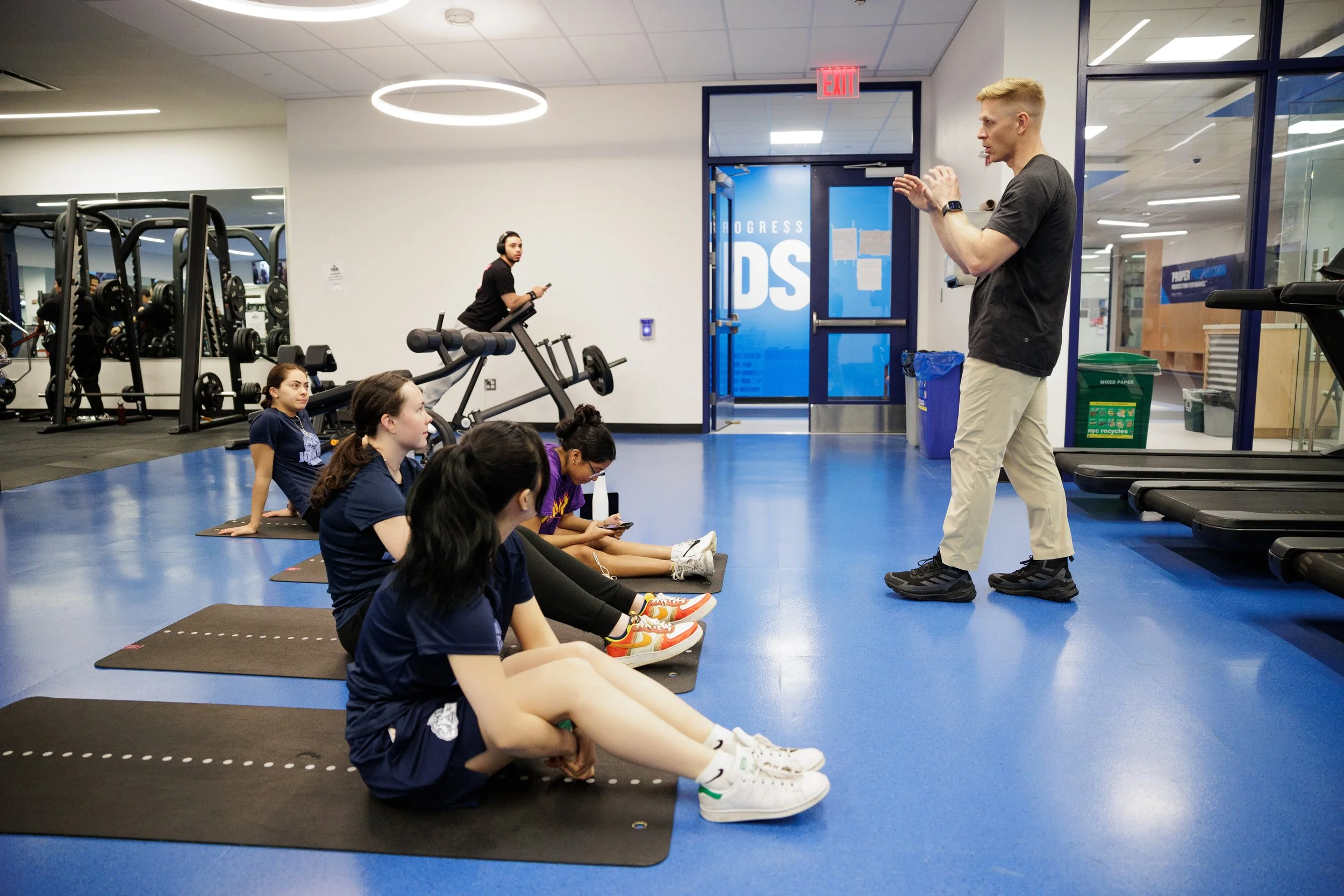
You don’t need a pool to keep improving. With the right at-home approach, you can practice swimming by sharpening your breathing, kick control, posture, and strength on land. These dryland swimming practice drills help you stay ready, stay connected to your stroke, and return to the water faster and more confident.

Read More

Taper in Swimming: How to Peak at the Right Time

Taper in Swimming: How to Peak at the Right Time

Tapering is the phase when smart swimmers do less to gain more. It’s a strategic reduction in training volume, while keeping intensity high, that lets your body recover, sharpen, and peak right when it matters most. In this article, Coach Dan Daly breaks down how to plan your taper, what to focus on in the pool and gym, and how to fine-tune race-day details so your best performance shows up when it counts.

Read More

Individual Medley Swimming: Stroke Order, Turns, and Training Tips

Individual Medley Swimming: Stroke Order, Turns, and Training Tips

The individual medley (IM) is one of swimming’s toughest and most rewarding events. Unlike single-stroke races, medley swimming tests your mastery across butterfly, backstroke, breaststroke, and freestyle — plus the precision of three transitions. In this article, I break down the official individual medley order, explain how it differs from the medley relay order, and share coaching tips for smoother turns and smarter training. Whether you’re chasing your next PR or curious about the 200m individual medley world record, you’ll learn how to build complete swimming performance and race the IM with more confidence.

Read More

What Is a Flutter Kick? Technique, Muscles Worked, and Benefits

What Is a Flutter Kick? Technique, Muscles Worked, and Benefits

The flutter kick looks simple, but mastering it can transform your swimming. Done correctly, it lifts your hips, reduces drag, and adds real propulsion to your stroke. Out of the pool, the same motion builds stronger abs and hip stability. In this guide, I’ll walk you through proper flutter kick form, muscles worked, and key drills to make your kick more efficient – whether you’re chasing faster race times or a stronger core.

Read More

How Many Laps Is a Mile in Swimming? Pool Sizes Explained

How Many Laps Is a Mile in Swimming? Pool Sizes Explained

How many laps make a mile in swimming? It’s a common question – and the answer depends on your pool size, and what defines a “mile” in competitive pool swimming. In this guide, Coach Dan Daly breaks down the difference between a land mile, a swimming mile, and how to convert those into laps in 25-yard, 25-meter, and 50-meter pools. You’ll also learn how to track your laps more effectively using swim watches and lap counters, plus get a sample mile swim workout. Whether you’re a beginner, triathlete, or distance swimmer, this article gives you the clarity you need to train smarter and swim stronger - length by length, lap by lap.

Read More