Freestyle Swimming Mobility and Rotation: How Better Mobility Creates a Stronger Stroke

Freestyle Swimming Mobility and Rotation: How Better Mobility Creates a Stronger Stroke

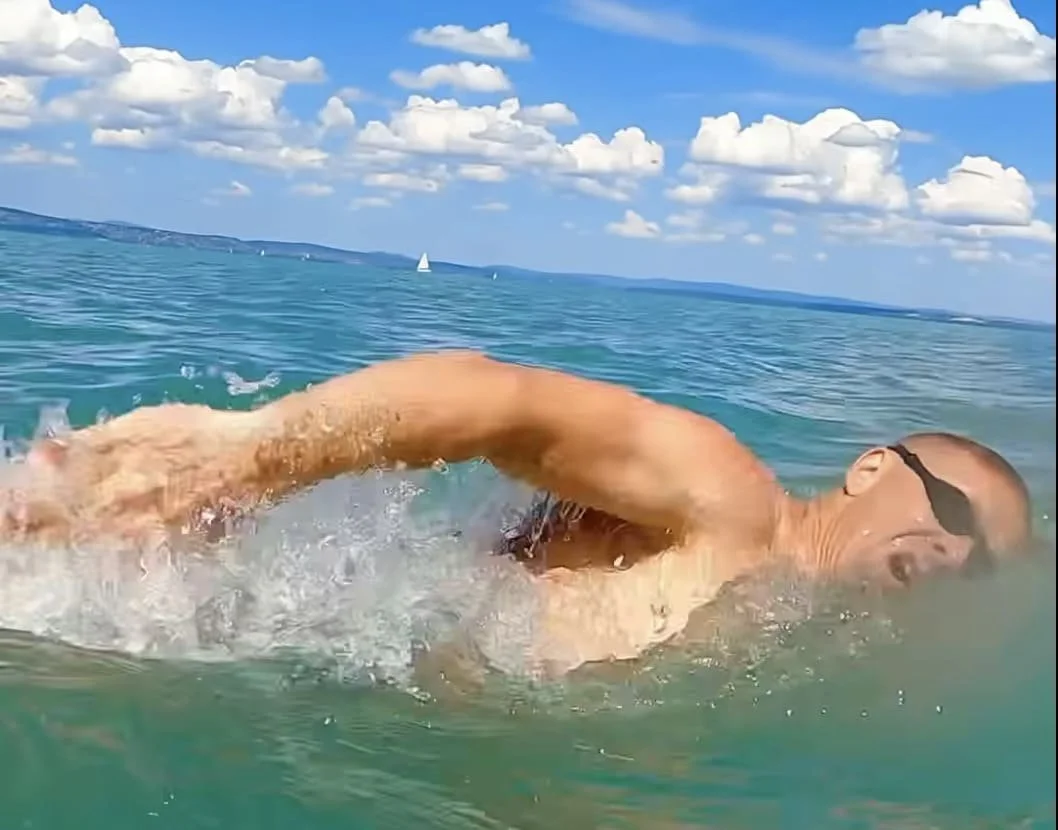
Many swimmers try to improve their freestyle by focusing only on technique, but the real limitation is often mobility. In this guide, Coach Dan Daly explains how shoulder mobility, hip rotation, and thoracic spine mobility work together to create a smoother, more efficient stroke. You'll learn why proper freestyle body rotation matters, how movement restrictions affect your technique, and what simple dryland exercises can help you move better in the water. Whether you're a competitive swimmer, triathlete, or Masters swimmer, improving mobility can make your freestyle feel stronger, lighter, and more connected.

Read More
Dynamic Mobility 2.0

Dynamic Mobility 2.0

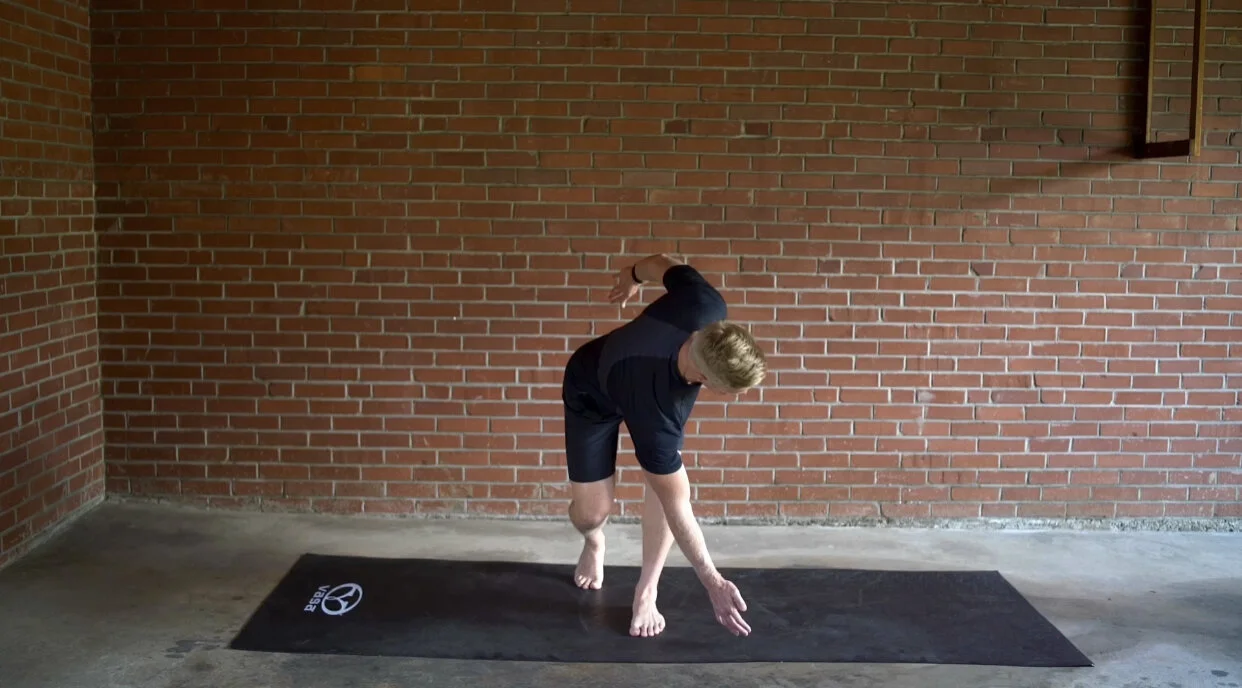
Dynamic mobility is the foundation of an effective warm-up, helping athletes maximize performance and reduce injury risks. By refining your approach, you can prepare your joints, activate key muscle groups, and improve range of motion efficiently. This guide covers targeted exercises for hips, shoulders, thoracic spine, and more, along with specialized routines for swimmers. Learn how to structure your warm-up with the ABC formula: release, mobilize, and activate. Unlock your athletic potential with these science-backed mobility techniques. Start improving your movement quality today! Read article.

Read More

Animal Flow Workouts: Movements List and Key Benefits

Animal Flow Workouts: Movements List and Key Benefits

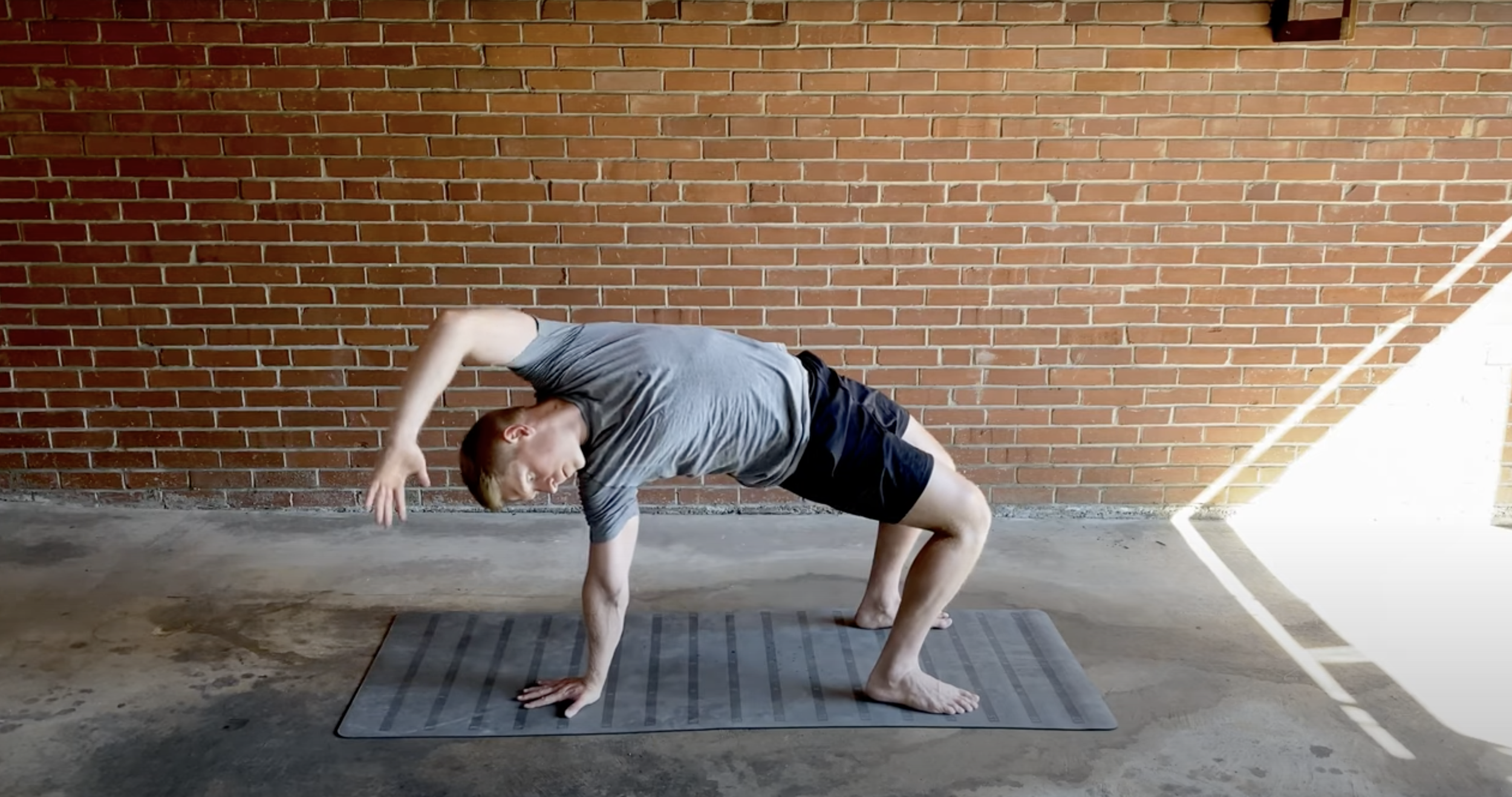
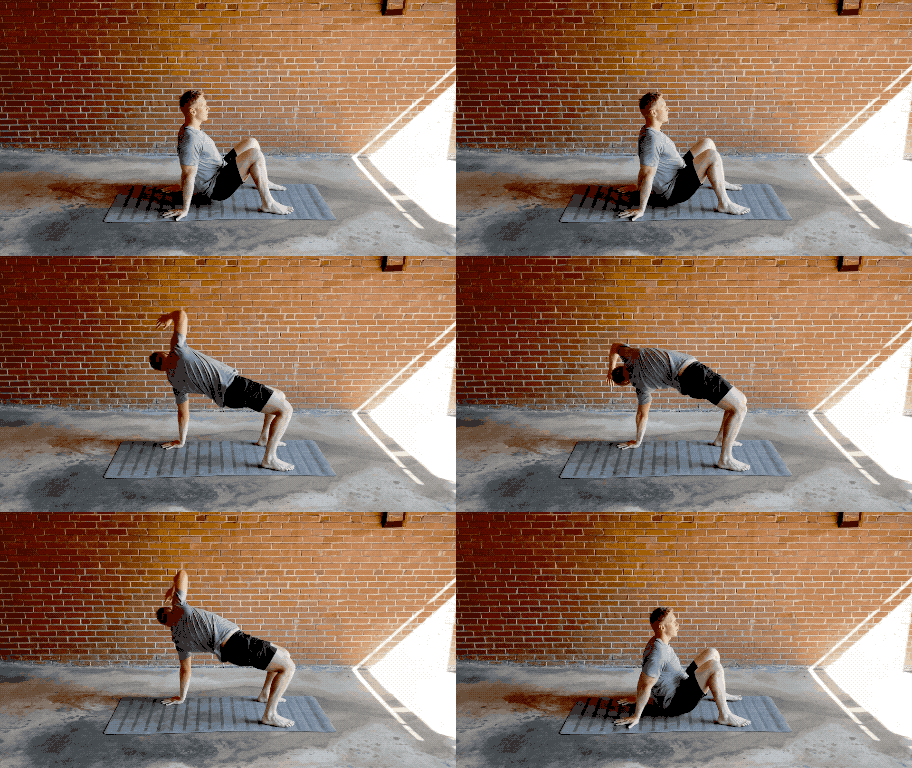
Enter Animal Flow, a modality I have been programming for over a decade. Its the perfect blend of total body, ground-based, bodyweight conditioning, blending elements of mobility, stability, endurance, and power.

Read More

Mobility Training for Swimmers

Mobility Training for Swimmers

Mobility first! Before you can stabilize, load, and perform you must have the freedom to move. Learn the keys to assessing what needs to be addressed, how to improve, and enhance your trining. “The Big Three”, ankles, hips, and shoulders, are the most mobile joints in the body. Identify any deficits, and move on from areas that meet a functional standard. Remember, mobility and stretching do not make you fit, but can inhibit your ability to get fit and perform if they do not have their functional range of motion. Test, intervene, rest. Once you move well, go train!

Read More