

How to Improve Your Freestyle Catch: 6 Drills for Better Feel and Early Vertical Forearm
/One of the biggest misconceptions I see among swimmers is that pulling harder automatically leads to swimming faster. After coaching swimmers for more than two decades, I've found the opposite is usually true. The swimmers who make the biggest improvements aren't always the strongest. They're the ones who learn how to hold the water more effectively before they apply force.
That's the role of the freestyle catch.
The catch is the moment your hand and forearm connect with the water and establish the position that allows you to generate propulsion. A strong catch creates a solid anchor in the water, allowing your body to move forward with each stroke. A weak catch lets the hand slip through the water, wasting energy and making swimming feel much harder than it should.
One of the most common mistakes I see is swimmers rushing into the pull before they've established a strong position. Others drop the elbow or press downward instead of backward, reducing propulsion and placing unnecessary stress on the shoulders. Improving your catch isn't about becoming stronger—it's about becoming more efficient.
Fortunately, catch mechanics can be developed with focused practice. The 6 freestyle catch drills in this guide will help you improve your feel for the water, develop an Early Vertical Forearm (EVF), and build a stronger, more efficient freestyle stroke.
What Is Early Vertical Forearm?
Early Vertical Forearm, often called EVF, refers to positioning your hand and forearm vertically early in the pull phase.
Instead of pressing downward, your fingertips point toward the bottom of the pool while your forearm becomes a paddle. This allows you to push water backward and generate forward motion more efficiently.
Think of your hand and forearm as one large surface rather than just your hand doing the work. Developing EVF requires mobility, strength, coordination, and thousands of quality repetitions. That's exactly what the drills in this article are designed to build.
If you're unsure whether you should be using a straight arm or high-elbow catch, check out our guide on Straight Arm Freestyle vs High-Elbow Catch Freestyle to understand how each technique is used and when swimmers benefit from them.
Not Sure What Your Catch Looks Like?
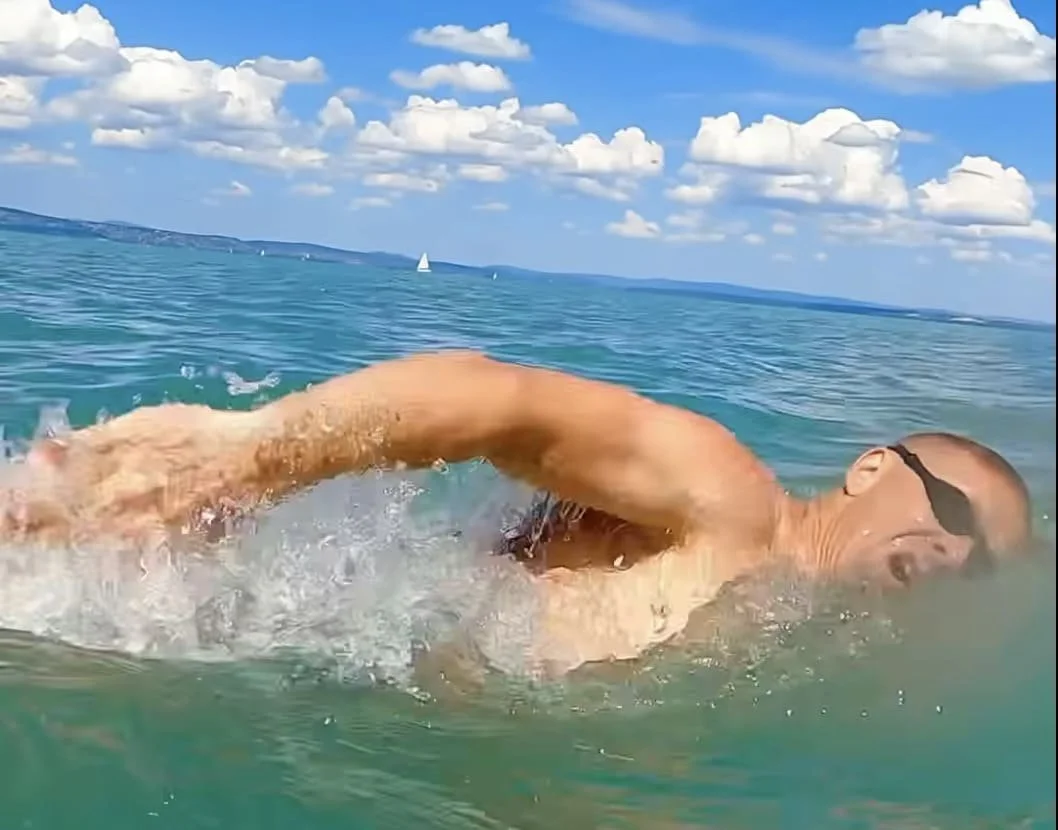
Many swimmers are surprised when they first watch themselves underwater. What feels like a strong catch often reveals a dropped elbow, poor hand positioning, or a missed opportunity to establish an effective Early Vertical Forearm.
Our Freestyle Video Analysis combines underwater video with expert coaching to identify exactly where your catch breaks down and provides personalized feedback to help you build a stronger, more efficient freestyle stroke.
Want to Swim a Faster Freestyle?
Improving your catch is one of the fastest ways to increase speed and efficiency in the water.
Swim Faster Freestyle
If you're looking for a complete plan, check out our 10-Day Freestyle Speed Blueprint. Created by Dan Daly and Abbie Fish, this program combines freestyle drills, dryland training, and proven coaching strategies to help swimmers build a faster freestyle in 10 days or less.
Drill #1: Catch Up Freestyle
The Catch Up Drill is one of the most effective freestyle drills for swimmers learning how to establish a better catch. One arm remains extended in front while the recovering arm completes the stroke and "catches up" before the next pull begins.
This pause slows the stroke down and gives you time to think about what the lead arm is doing. Instead of rushing into the pull, focus on reaching forward, maintaining length through the body, and setting up the catch before applying pressure to the water. Many swimmers discover that they begin their pull too early, which causes them to miss the strongest part of the catch.
Drill #2: Catch Up Freestyle with Fins
Once you are comfortable with the standard Catch Up Drill, adding fins can make it easier to maintain momentum and body position. Because the fins provide additional propulsion, you can devote more attention to the front end of the stroke without worrying about sinking or losing speed.
As you swim, focus on feeling pressure build against your hand and forearm before beginning the pull. The goal is not to rush through the movement but to create a stronger connection with the water.
Drill #3: Freestyle Catch Drill with Vasa Trainer
The Vasa Trainer is an excellent tool for isolating the catch. Without having to think about breathing, kicking, or rotation, you can focus entirely on learning what a strong catch should feel like.
Pay attention to how the forearm rotates into position and how pressure develops through the entire arm. Swimmers often realize they have been pulling primarily with their hand when they begin working on the Vasa. The best catches use the hand and forearm together to create a much larger surface area against the water.
Drill #4: Fist Drill, Anti-Paddles, and Top-of-Paddle Hold
Developing a great catch isn't just about strength—it's about learning how to feel and hold the water. This series of drills helps swimmers improve their awareness of the catch and build a stronger connection between the hand, forearm, and the water.
The Fist Drill removes your hand from the equation by asking you to swim with closed fists. At first, this usually feels awkward and inefficient. That's exactly why the drill works. Without relying on your hands, you're forced to engage your forearms and develop a better understanding of how propulsion is generated during the catch phase.
The Anti-Paddles and Top-of-Paddle Hold drills build on that awareness. They provide immediate feedback if your elbow drops or if you lose pressure on the water. Rather than trying to pull harder, focus on maintaining steady pressure from the moment you set the catch until the end of the stroke.
If you're looking for additional ways to improve your feel for the water, our guide to sculling swimming drills provides several exercises that complement these catch-focused drills and help reinforce proper hand and forearm positioning.
Drill #5: 2 Right, 2 Left, 2 Full Stroke
This drill bridges the gap between drill work and full freestyle swimming. By alternating between single-arm strokes and full stroke cycles, swimmers can focus on catch mechanics one arm at a time before integrating those improvements into normal swimming.
As you perform the drill, concentrate on a clean fingertip entry, a controlled extension forward, and a patient setup of the catch before applying force. The transition into full stroke should feel smooth and connected rather than rushed.
Drill #6: Freestyle Catch Repeats
Catch Repeats are one of my favorite drills for teaching swimmers how a high-elbow catch should feel. Instead of immediately pulling through the water, you repeat the catch movement several times before completing the stroke.
This allows you to spend more time in the most important part of freestyle. Over time, these repetitions help groove a stronger Early Vertical Forearm position and improve your ability to hold water throughout the pull.
Sample Catch Development Set
Try adding this set to your next swim workout:
4 x 50 Catch Up Drill
4 x 50 Catch Up with Fins
4 x 25 Fist Drill
4 x 25 Anti-Paddles
4 x 50 2 Right, 2 Left, 2 Full Stroke
4 x 25 Catch Repeats
100 Easy Freestyle
Focus on quality execution rather than swimming fast.
Common Catch Mistakes
| Mistake | Why It Hurts Your Catch | What to Do Instead |
|---|---|---|
| Pulling Straight Down | Pressing downward lifts the body rather than moving it forward, reducing propulsion and wasting energy. | Set the forearm vertically and focus on pushing the water backward. |
| Dropping the Elbow | A dropped elbow decreases the surface area available to hold water, making the catch less effective. | Keep the elbow high while rotating the forearm into an Early Vertical Forearm (EVF) position. |
| Starting the Pull Too Early | Rushing into the pull prevents you from establishing a strong catch before applying force. | Reach forward first, then set the catch before applying pressure to the water. |
| Overpowering the Stroke | Pulling harder often causes swimmers to lose feel for the water and sacrifice proper technique. | Focus on body position, connection with the water, and maintaining steady pressure throughout the pull. |
Final Thoughts
The catch sets up everything that follows in freestyle. If you struggle to establish a strong catch, it doesn't matter how fit or powerful you are—you're leaving speed on the table.
The drills in this article help you slow the stroke down, improve your feel for the water, and reinforce the movement patterns that create a stronger catch.
Pick one or two drills that address your biggest weakness and practice them consistently. Small improvements in your catch can lead to significant improvements in efficiency, speed, and overall swimming performance.
Remember: don't focus on pulling harder. Focus on holding more water.
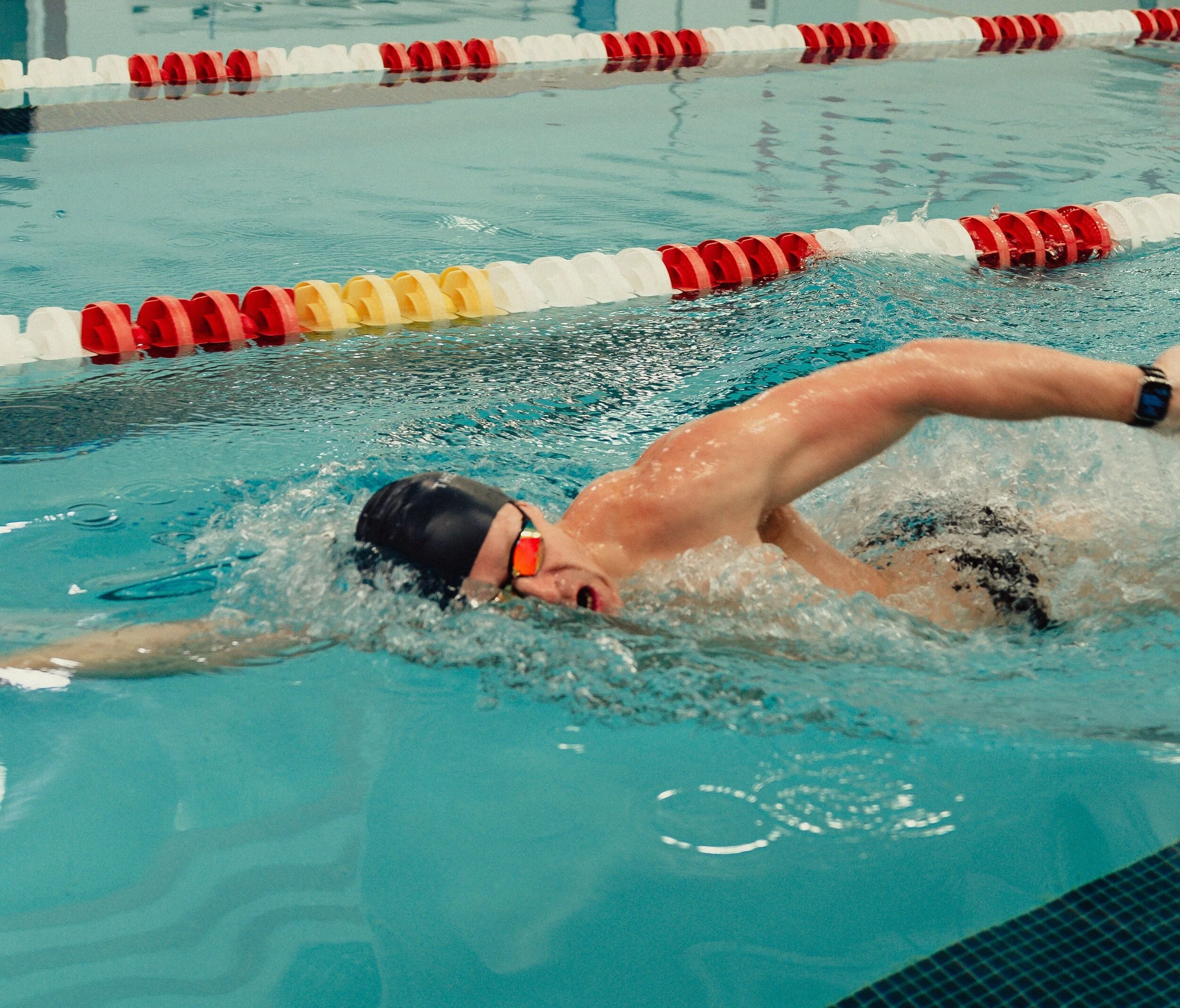
A strong freestyle catch can be the difference between working hard and swimming fast. In this guide, you'll learn six proven catch drills—including the Catch Up Drill, Fist Drill, and Catch Repeats—to improve your feel for the water, develop an Early Vertical Forearm (EVF), and create a more efficient freestyle stroke.