

Can You Still Get Faster as an Adult Swimmer?
/One of the most common questions I hear from Masters swimmers is whether meaningful improvement is still possible after 40.
It's a reasonable question. We all know that aging changes the body. Recovery takes longer than it did in our twenties. Most of us have careers, families, and responsibilities competing for our time and energy. The idea of getting faster while balancing all of that can seem unrealistic.
For many swimmers, the expectation becomes simple: maintain fitness, stay healthy, and try not to slow down too much.
My experience as both a coach and athlete has led me to a different conclusion.
At 44 years old, I'm still chasing faster times.
In fact, some of my recent improvements have come after completing one of the biggest endurance challenges of my life – swimming around Manhattan Island. Most people assume that swimming 28.5 miles would push an athlete further toward endurance and further away from speed. Ironically, the opposite happened.
Since completing that swim, I've shifted much of my focus toward speed development, strength training, and higher-quality work in the pool. The results have reinforced something I've observed repeatedly throughout my coaching career: many adult swimmers have far more room for improvement than they realize.
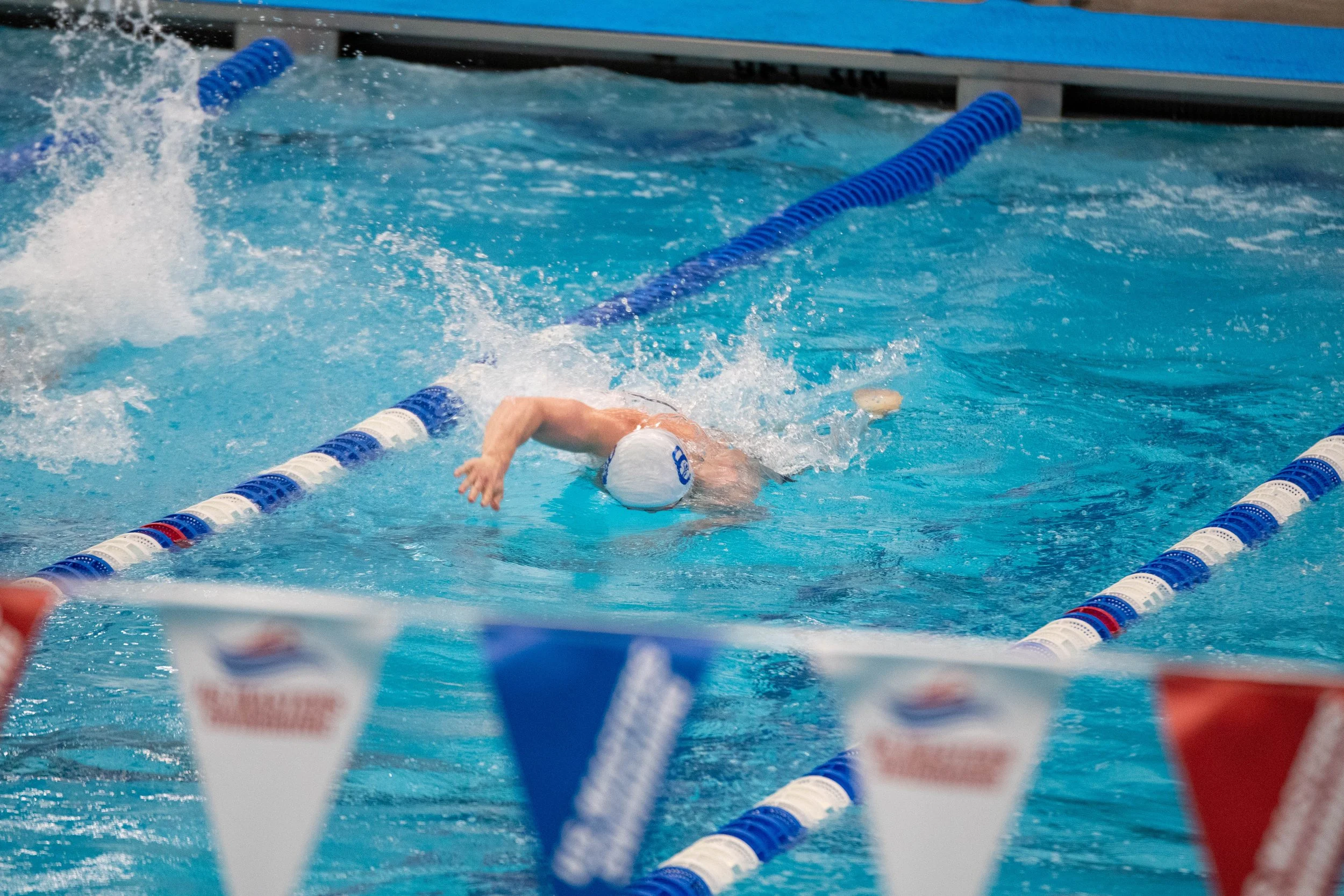
Why Most Adult Swimmers Think Improvement Stops
Many swimmers assume age is the primary factor limiting their performance. While aging certainly influences how we train and recover, it is rarely the only variable at play.
More often, I see swimmers limited by outdated training habits, poor recovery practices, or simply doing the same workouts year after year without a clear purpose.
When I was younger, I believed more volume was always the answer. As a collegiate swimmer, I wanted to be the fittest person in the pool. Even as a sprinter, I often found myself jumping into middle-distance and distance sets because I enjoyed the challenge and could handle the workload.
At the time, I equated fitness with performance.
Looking back, I realize that being able to survive more yardage didn't necessarily make me faster. Swimming has evolved. Coaching has evolved. And thankfully, my understanding of training has evolved as well. Today, I spend far less time worrying about total yardage and far more time thinking about specificity, recovery, strength, and quality.
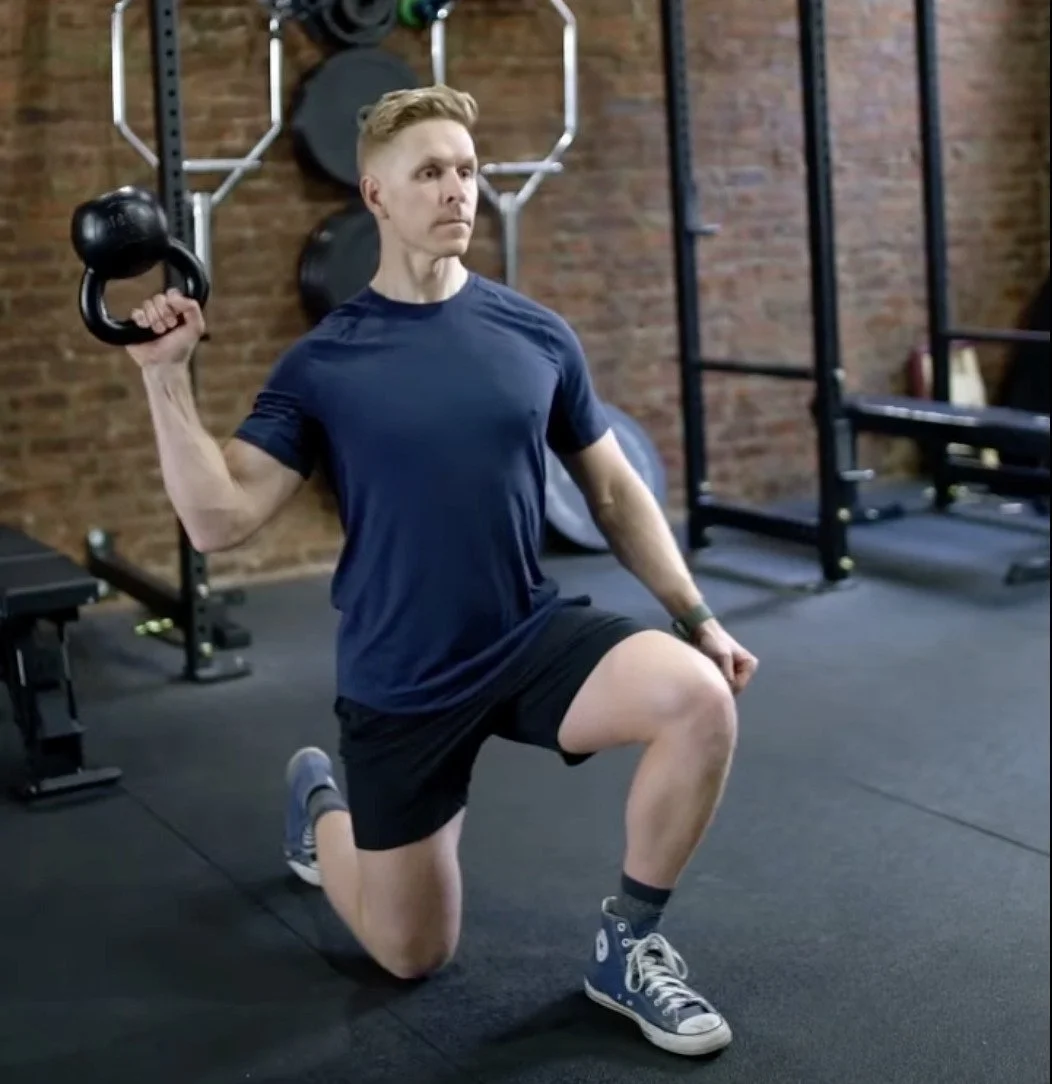
Train Stronger Outside the Pool
Discover dryland training plans created by Dan Daly to help swimmers build strength, prevent injuries, and improve performance in the water.
What Changed in My Training After 40
Following my swim around Manhattan Island, I decided to spend more time focusing on speed.
Rather than accumulating endless yardage, I shifted toward a training approach built around higher-intensity efforts, resisted swimming, strength training, and race-specific work. Some weeks, my pool sessions contained less than 1,000 yards of focused speed work performed three times per week.
The surprising part was what happened next. My times started dropping.
As swimmers, we're often conditioned to believe that improvement requires more volume. While endurance certainly has its place, there comes a point where additional yardage provides diminishing returns.
For me, getting faster wasn't about swimming more. It was about becoming more specific.
The sport has become smarter over the years. We understand much more about training intensity, recovery, strength development, and neuromuscular adaptations than we did twenty years ago. Adult swimmers who embrace these concepts often find themselves making progress long after they assumed their best performances were behind them.
The Biggest Mistake I See in Adult Swimming Training
One of the most common patterns I see among adult swimmers is what I call "one-gear swimming."
Everything is done at the same pace.
The warm-up is the same pace as the main set. The aerobic work is the same pace as the recovery swimming. Stroke rate rarely changes. Tempo rarely changes. Effort levels remain remarkably consistent.
When I assess swimmers in the water, I'll often ask them to increase their stroke rate, reduce their stroke count, or sprint. Many struggle to make meaningful adjustments because they have spent years reinforcing only one speed.
The good news is that speed is a skill.
For years, I viewed myself as more of an endurance athlete. I believed some swimmers were simply born fast while others were destined to be distance swimmers. The longer I coach, the less I believe that.
Can genetics influence performance? Of course. But many of the qualities that contribute to speed are highly trainable. Stroke rate can improve. Power output can improve. Coordination can improve. Strength can improve. The ability to change gears can improve.
Many adult swimmers are not limited by age. They're limited by the fact that they have never consistently trained these qualities.
Why Strength Training Matters More As You Age
Strength training has been part of my life since middle school. My father introduced me to lifting at an early age, and I quickly became fascinated by the process of getting stronger and understanding how strength influences athletic performance. That passion eventually led me to earn a degree in kinesiology and spend more than 20 years helping swimmers improve both in and out of the water.
Over the years, I've realized that many swimmers underestimate the value of dryland training. It's often viewed as something optional - something you do only if there's extra time after swimming. I see it differently. Strength training is one of the most effective tools we have for improving performance, increasing durability, and reducing injury risk, and those benefits become even more important as we get older.
I regularly coach athletes preparing for major open water challenges, including the English Channel, the Manhattan Island Marathon Swim, and other marathon swimming events. Interestingly, many of the swimmers who fall short don't fail because their cardiovascular fitness isn't good enough. More often, their shoulders simply can't tolerate the months of repetitive training required to reach the starting line or finish the swim. Years of accumulated volume, muscular imbalances, limited mobility, and inadequate strength work eventually catch up with them.
That's why I often tell my athletes that injury prevention is performance training. Staying healthy allows you to train consistently, and consistency is what ultimately leads to long-term improvement. A stronger, more resilient swimmer is usually a faster swimmer because they're able to keep showing up and doing quality work week after week.
I recently discussed this philosophy with Craig Lewin on the Beyond the Breakers podcast. We talked about why I've shifted from chasing training volume to emphasizing strength, speed, recovery, and the minimum effective dose of dryland work after swimming around Manhattan. We also covered how adult swimmers can continue improving despite the natural changes that come with age and why smart strength training is one of the best investments Masters and open water swimmers can make. If you'd like to hear more about my approach, you can watch the full interview here:
How Busy Swimmers Can Still Improve
One reality every adult swimmer faces is limited time. Most Masters swimmers are balancing training with work, family, and other responsibilities. That's why I've become increasingly interested in what I call the minimum effective dose.
Instead of asking how much training someone can handle, I ask what's the least amount of work needed to keep making progress. Sometimes that's two strength sessions each week. Sometimes it's just ten or fifteen minutes of focused dryland work at home.
One of the biggest lessons I've learned since college is that workouts don't need to be heroic to be effective. The best training plan isn't the most complicated one—it's the one you can realistically fit into your life and follow consistently. For adult swimmers, that consistency is often what leads to the biggest long-term improvements.
What Masters Swimming Has Taught Me About Improvement
One of the reasons I enjoy competing in Masters swimming is that it constantly challenges assumptions about aging and performance.
Organizations like U.S. Masters Swimming continue to demonstrate that improvement doesn't stop at 30, 40, or 50 years old. Every year, swimmers set personal bests, qualify for major competitions, and achieve goals they once thought were impossible.
Earlier this year, I had the opportunity to compete and coach at the USMS Spring Nationals. Watching athletes pursue excellence across multiple age groups was a powerful reminder that progress has no expiration date.
You can read more about that experience in my article: USMS Spring Nationals 2026
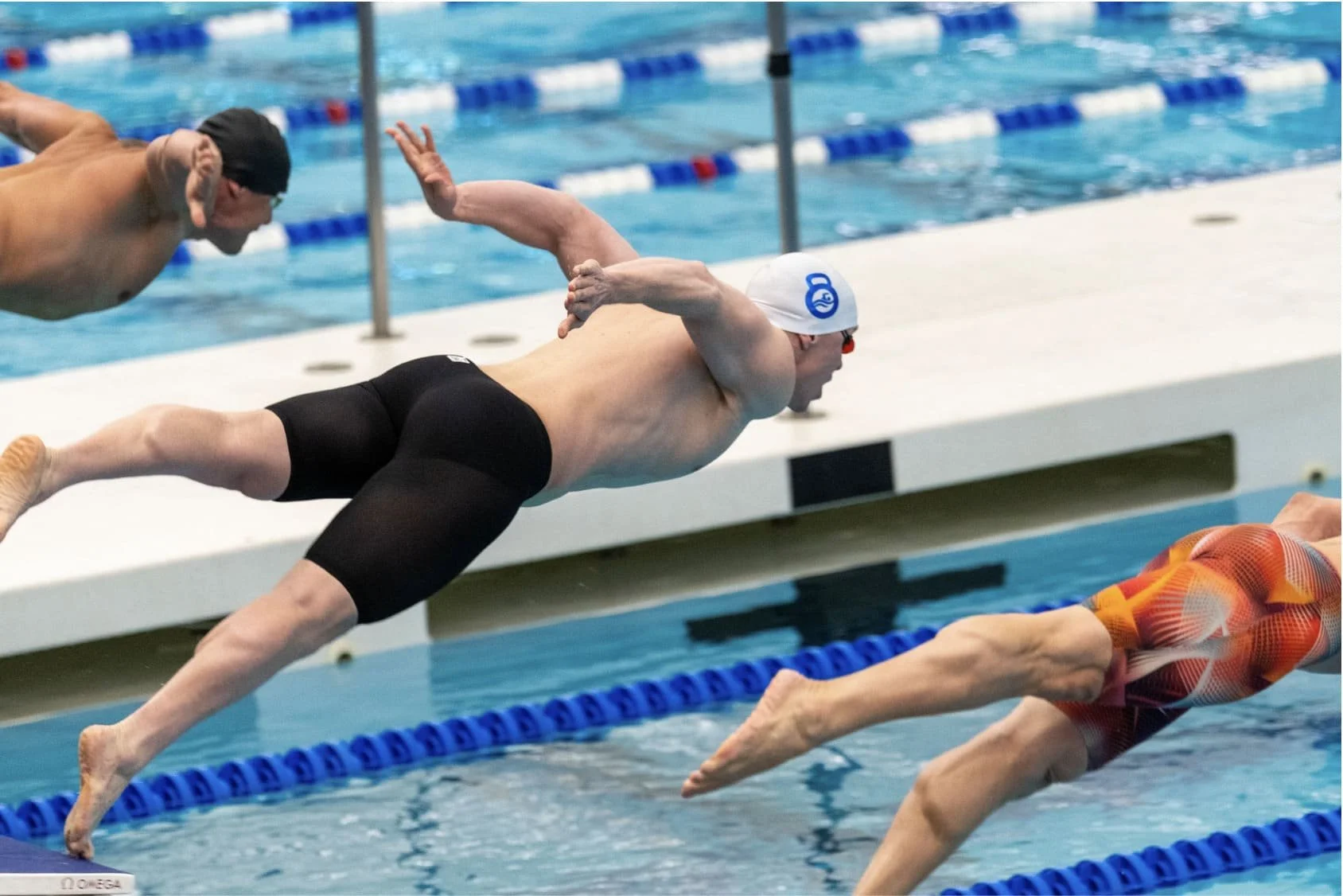
What stands out most isn't necessarily the performances themselves. It's the mindset. The athletes who continue improving aren't searching for shortcuts. They're refining technique, building strength, prioritizing recovery, and consistently showing up to do the work. In many ways, they're doing exactly what successful swimmers have always done.
They're simply doing it with more patience and perspective.
Want Help Applying This to Your Own Training?
One of the things I enjoy most about coaching is helping swimmers realize they still have room to improve.
Whether you're preparing for a Masters meet, training for an open water event, or simply trying to improve swimming speed, the right combination of technique work, strength training, and smart programming can make a tremendous difference.
Through virtual coaching, I work with swimmers around the world to build individualized plans that fit their goals, schedule, and experience level.
So, Can You Still Get Faster as an Adult Swimmer?
Based on both my coaching experience and my own training, the answer is yes. Will improvement look exactly the same as it did when you were 18? Probably not. You may need more recovery. You may need a smarter approach to strength training. You may need to pay closer attention to technique and mobility than you did in your younger years.
But none of those realities eliminate the possibility of getting faster.
In fact, many adult swimmers still have significant opportunities to improve swimming speed by developing qualities that were overlooked earlier in their careers. Earlier in my swimming life, I believed success came from doing more work. Today, I spend more time thinking about specificity, recovery, strength, and quality.
The result is that I'm still pursuing faster times in my forties. That's encouraging because it suggests improvement doesn't disappear with age. It simply requires a smarter approach.
And for many swimmers, that realization is what makes the sport so rewarding. No matter how long you've been swimming, there's always another skill to develop, another lesson to learn, and another opportunity to get better.
Ready to Reach Your Next Swimming Goal?
Personalized swim coaching for competitive swimmers, Masters athletes, and open water swimmers who want to keep improving.

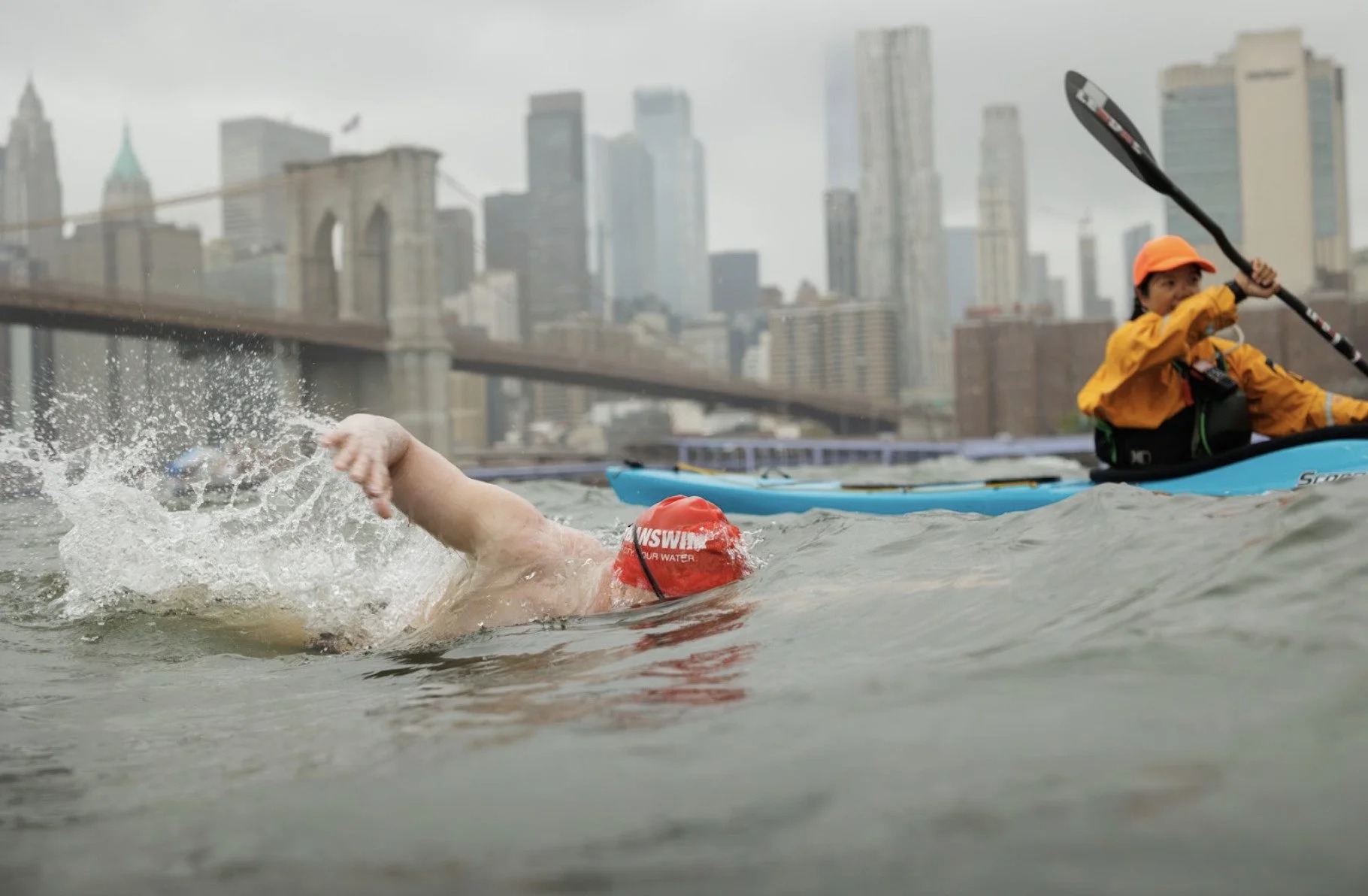
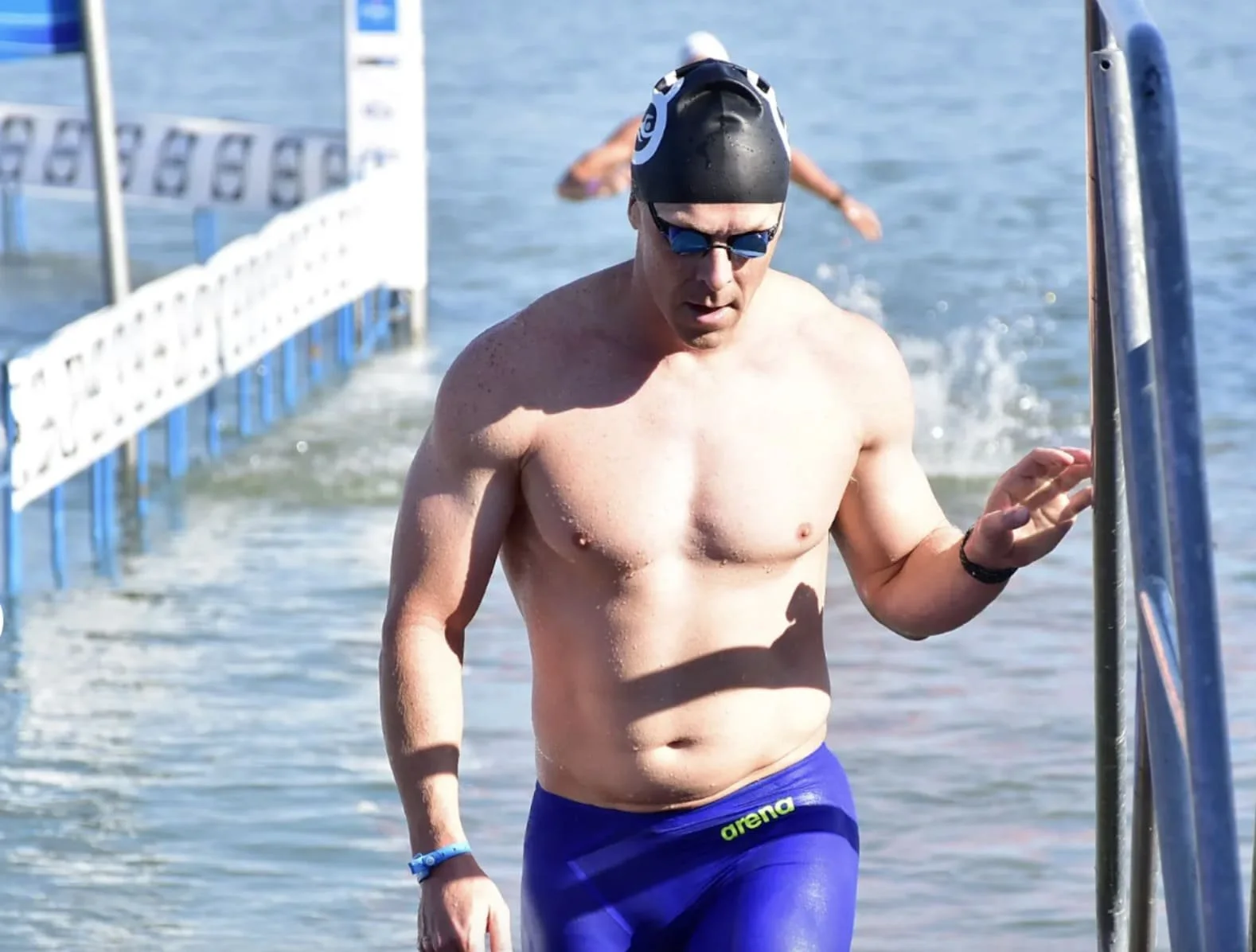
Many swimmers believe getting older means getting slower. My experience as both a coach and athlete has shown the opposite can be true. In this article, I share how smarter training, strength work, recovery, and technique have helped me continue improving after 40—and how these same principles can help Masters and adult swimmers reach new personal bests.