How Many Calories Does Swimming Burn Per Hour? Find Out Now!

How Many Calories Does Swimming Burn Per Hour? Find Out Now!

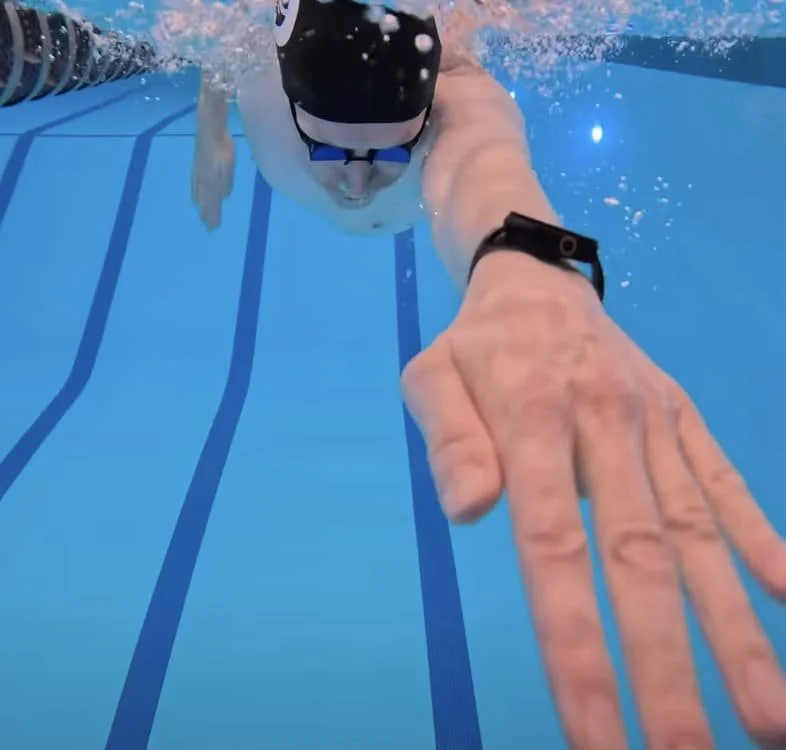
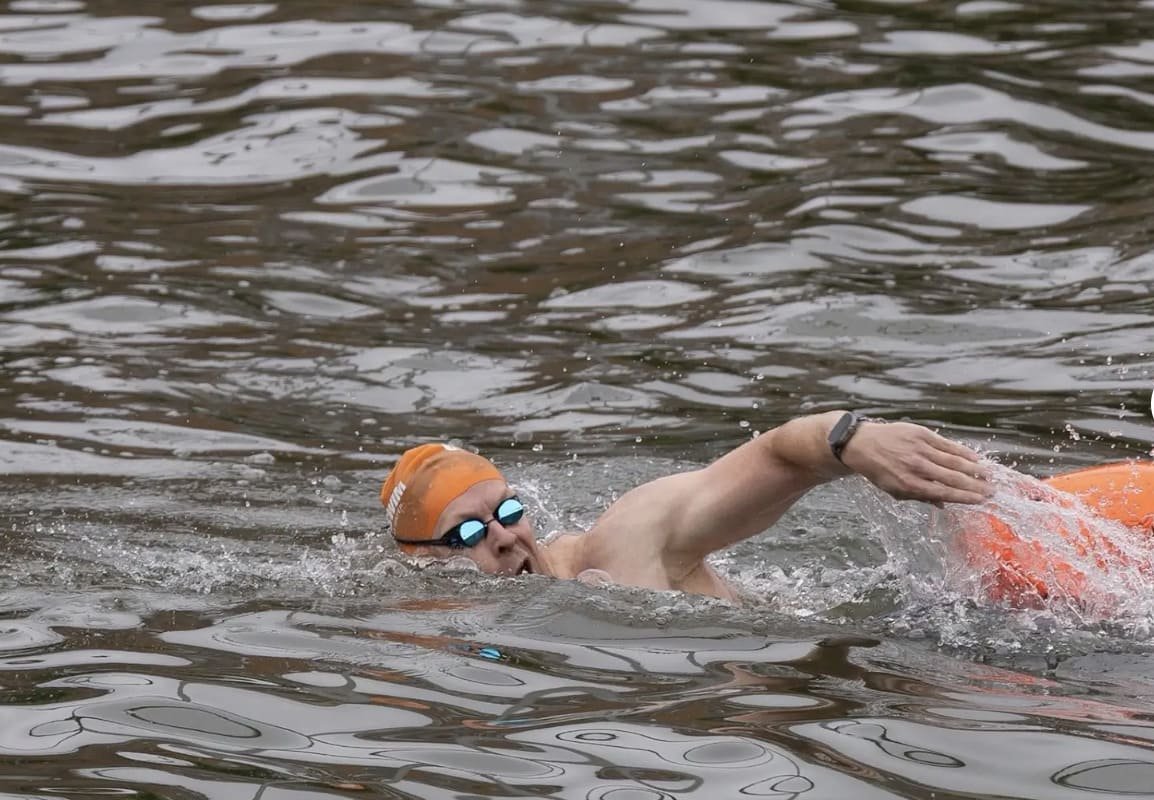
Swimming is often praised as one of the best full-body workouts—but how many calories does swimming actually burn? The answer depends on your stroke, intensity, body weight, and even water temperature. As a coach, I’ve seen swimmers torch 400–700+ calories per hour, especially during high-effort training sets. In this article, we’ll break down how many calories you burn swimming by stroke, duration, and distance—and help you make the most of every lap. Whether you're aiming for fitness or performance, here's what you need to know.

Read More

Plyometric Exercises for Swimmers

Plyometric Exercises for Swimmers

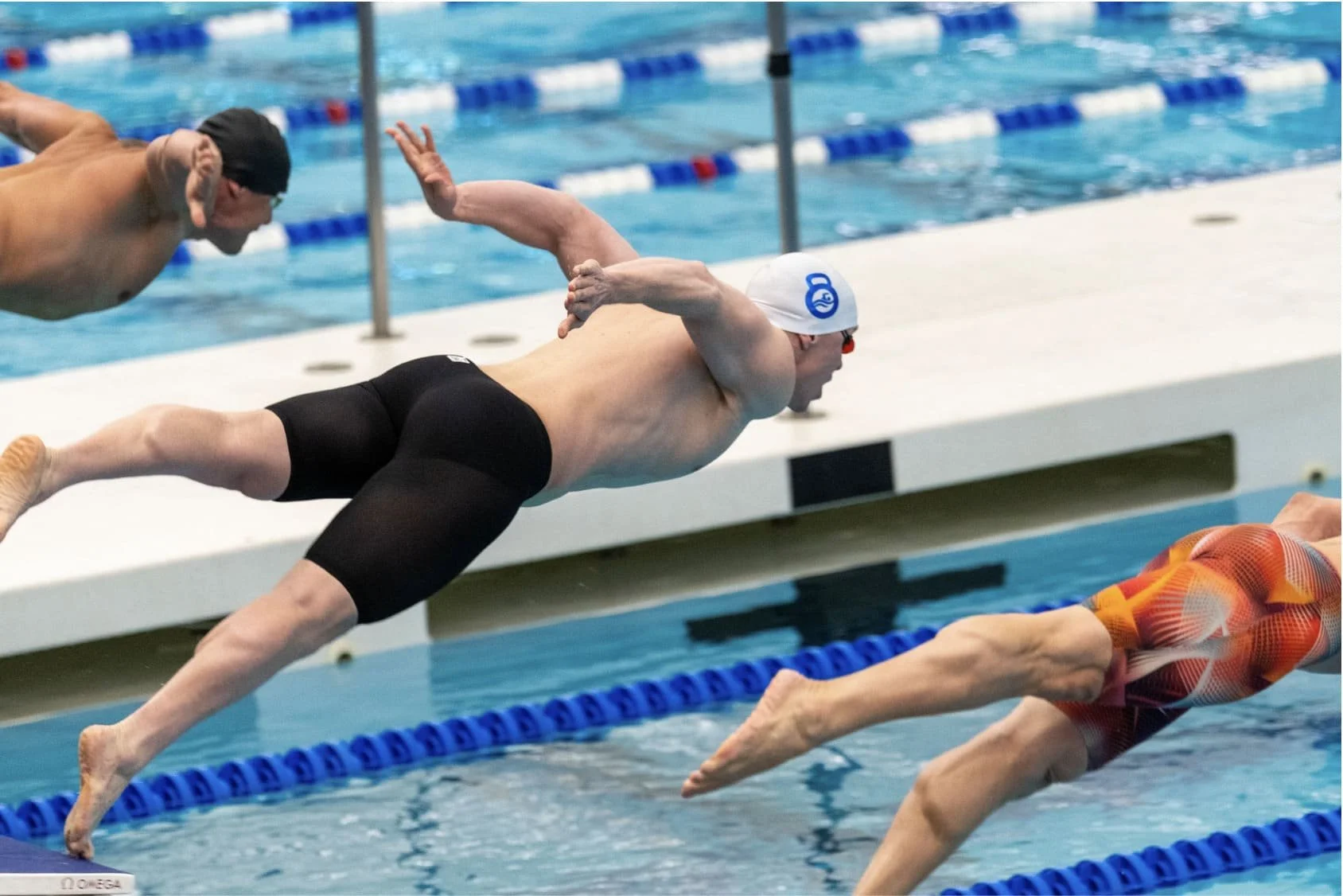
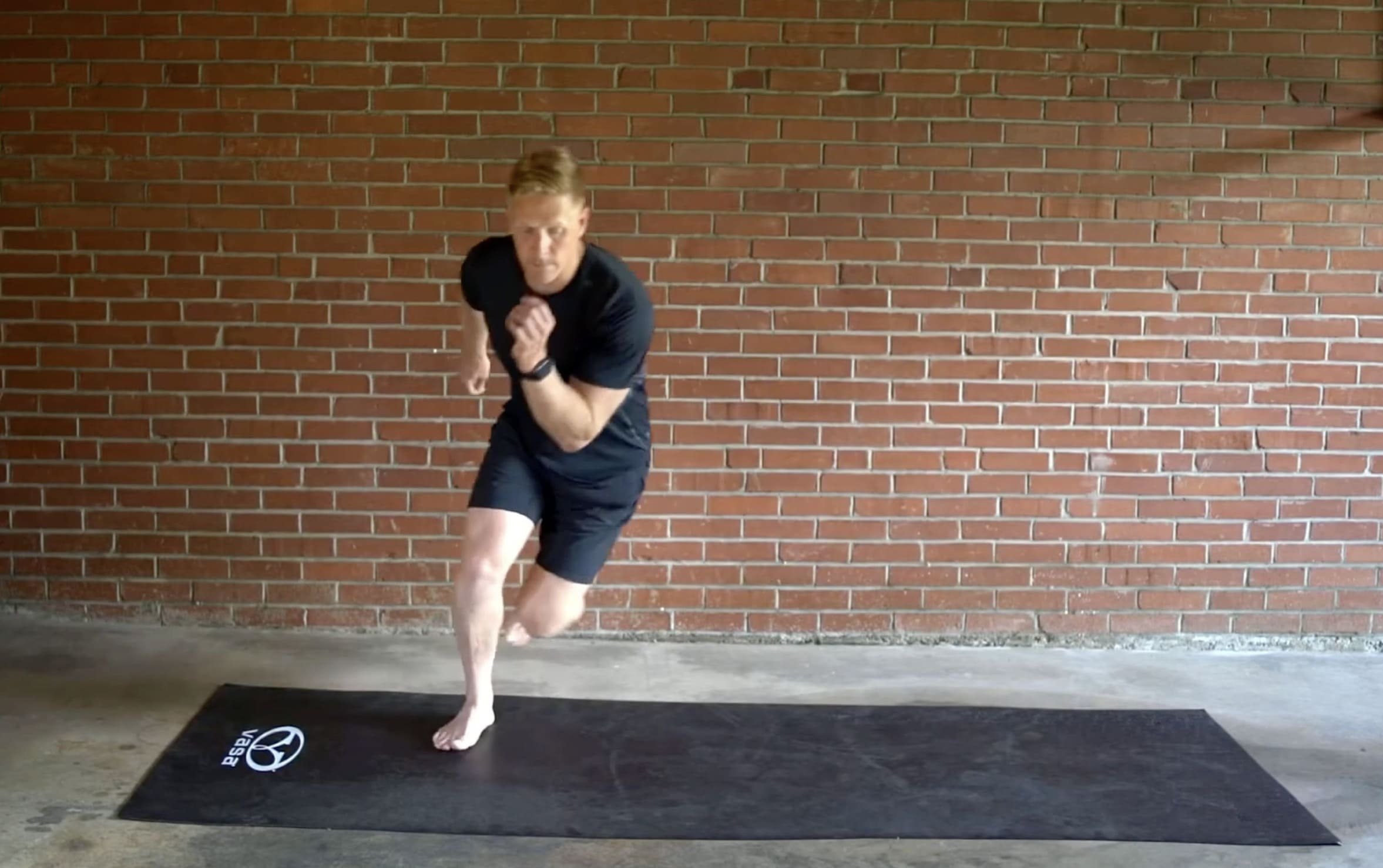
Plyometric exercises for swimmers can improve explosive starts, faster turns, underwater speed, and overall athletic performance when applied correctly. In this guide, Coach Dan Daly explains how swim-specific plyometric training helps swimmers develop reactive power, force transfer, coordination, and movement efficiency without unnecessary fatigue. Learn practical dryland exercises including bounding, depth drops, squat jumps, lateral pogos, and swim-specific jump drills designed to build explosive strength that actually transfers into the water for sprinting, starts, and race performance.

Read More

How to Swim Butterfly with Speed and Power

How to Swim Butterfly with Speed and Power

The secret isn't natural talent—it's breaking down this challenging stroke into manageable components. Butterfly swimming combines powerful undulation, properly timed dolphin kicks, and synchronized arm movements to create swimming's most beautiful stroke. While many swimmers struggle with exhaustion or poor technique, my step-by-step approach builds both the skills and confidence needed to swim butterfly effectively. Whether you're a beginner or looking to refine your technique, these proven methods will transform your butterfly from a struggle into a stroke you truly enjoy.

Read More

How to Improve Your Backstroke and Drop Time This Season

How to Improve Your Backstroke and Drop Time This Season

Want to swim faster backstroke and finally drop time this season? In this guide, you'll learn how to improve your backstroke technique, fix common mistakes, and train smarter with purpose-built sets. From body position and kick rhythm to turns and underwater work, we cover everything competitive swimmers need to fine-tune their backstroke. You’ll also get practical backstroke tips, drill recommendations, and video resources to help you feel more connected in the water. Whether you're just learning how to swim backstroke or refining your race strategy, this article gives you a clear path to faster, smoother swimming.

Read More

What to Eat Before a Swim Meet: The Best Pre-Race Foods

What to Eat Before a Swim Meet: The Best Pre-Race Foods

Choosing the right foods before a swim meet can make a big difference in your performance. Eating the best pre-race meals ensures you have the energy and stamina to swim strong. From slow-digesting carbohydrates to lean proteins, discover which foods to include in your diet to fuel your body efficiently. Proper pre-swim nutrition can help you feel your best in the water, so don't leave your meal plan to chance. Ready to dive in and learn more? Read the article.

Read More

Pull Buoy Swimming: How to Use It Correctly and Why It Matters

Pull Buoy Swimming: How to Use It Correctly and Why It Matters

Pull buoy swimming is one of the most effective ways to improve body position, core connection, and upper-body technique in the pool. When used correctly, a pull buoy lifts the hips, reduces drag, and helps swimmers feel proper alignment without relying on the kick. That's why some swimmers go faster right away with a pull buoy. It shows their technical weaknesses instead of making them faster. This guide explains what a pull buoy is used for in swimming, how to use a pull buoy for swimming correctly, and when it helps or hurts performance. Used intentionally, a pull buoy becomes a powerful teaching tool—not a crutch.

Read More

Best Vitamins for Swimmers: What Competitive Swimmers Actually Need

Best Vitamins for Swimmers: What Competitive Swimmers Actually Need

Many competitive swimmers train hard, recover well, and still feel flat in the water. Stroke quality fades, fatigue lingers, and minor illnesses disrupt momentum. In many cases, the problem isn’t training effort — it’s a hidden vitamin gap. This guide breaks down the best vitamins for swimmers, why competitive swimmers have higher needs, and how proper vitamin support helps sustain energy, recovery, and long-term performance through demanding swim seasons.

Read More

Bodyweight Training for Swimmers: Dryland That Works

Bodyweight Training for Swimmers: Dryland That Works

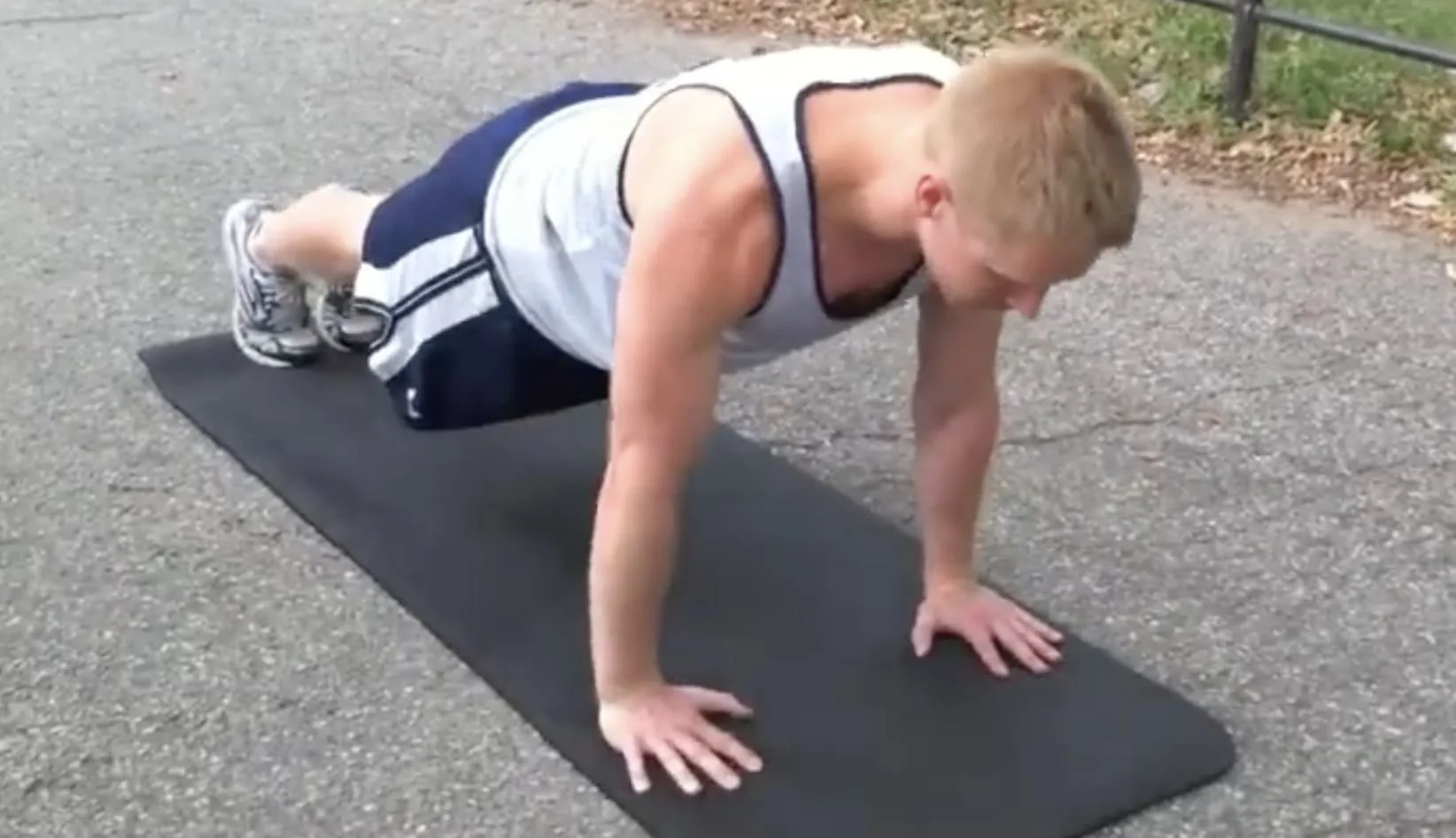
Swimmers don’t get faster by chasing fatigue on land. They get faster by learning how to organize force. This guide breaks down the theory behind bodyweight training for swimmers, explaining how dryland improves coordination, shoulder stability, and lower-body power — and why bodyweight work often transfers better than traditional strength training.

Read More