

USMS Spring Nationals 2026: Racing, Coaching, and Competing at 44
/Last weekend I competed at the 2026 USMS Spring National Championships in Greensboro, North Carolina. The 2026 USMS Spring Nationals was a great event and an opportunity to reconnect with clients, competitors, and coaches from around the country.
One of my favorite things about US Masters Swimming Spring Nationals is the combination of high-level racing and the strong sense of community throughout the meet. With more than 2,000 swimmers competing across the weekend, the atmosphere on deck was incredibly energetic and supportive from start to finish.
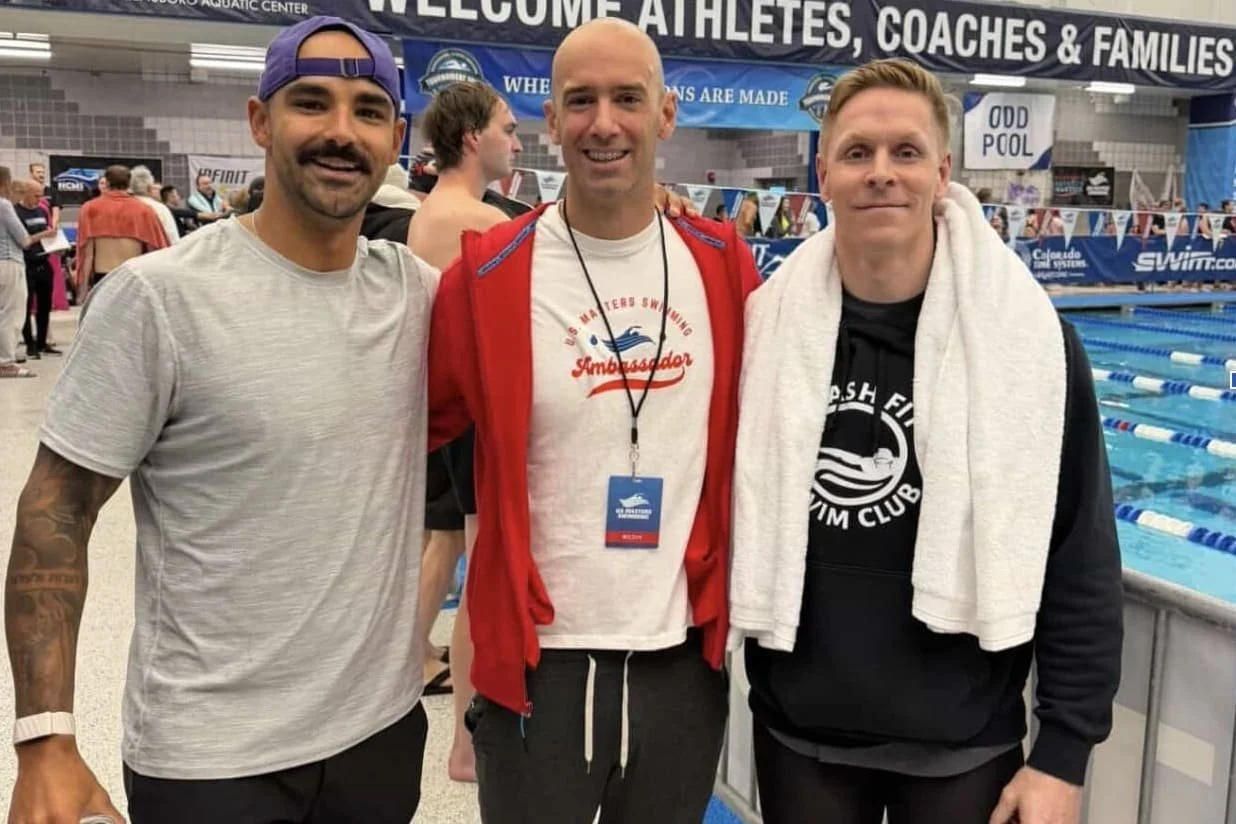
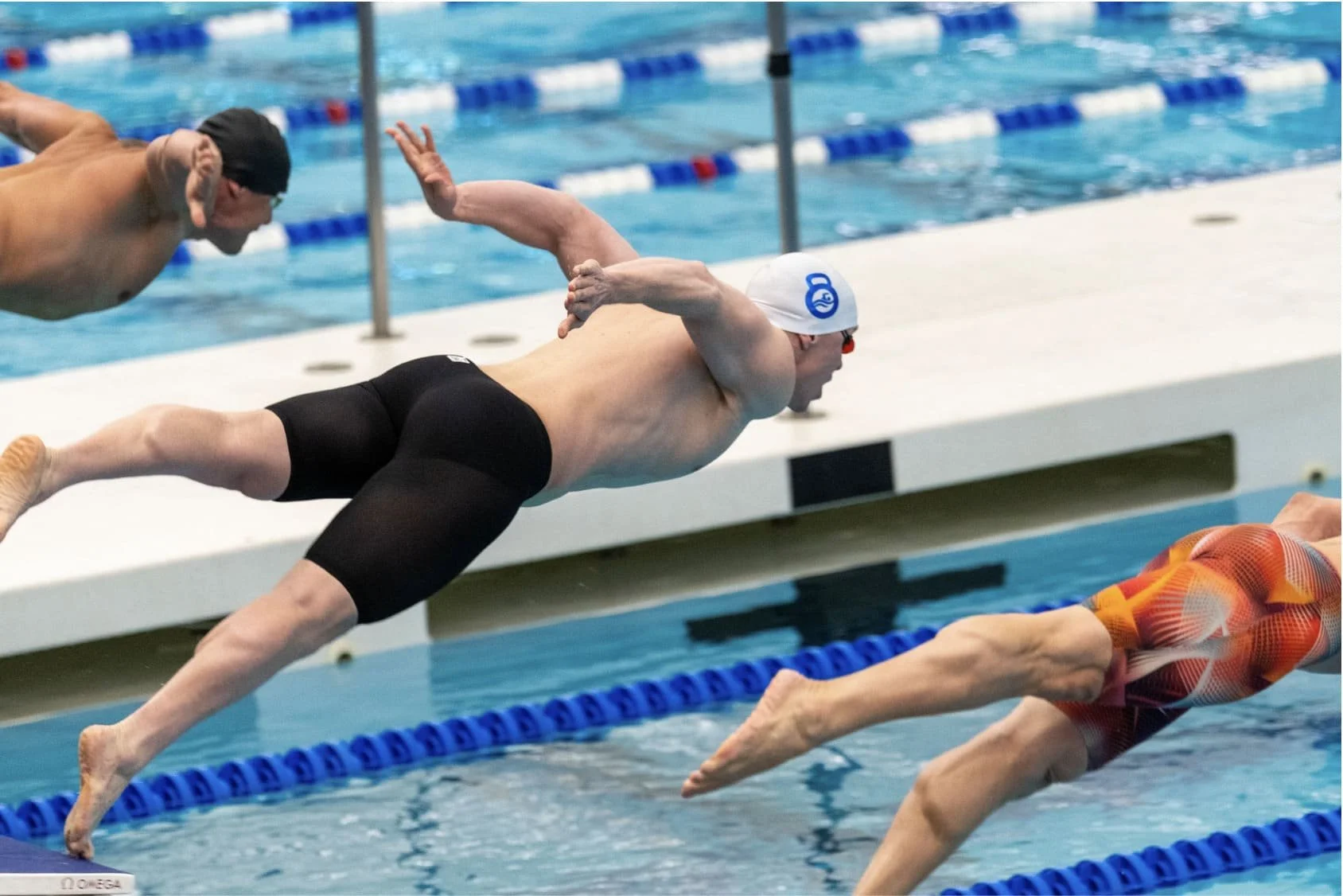
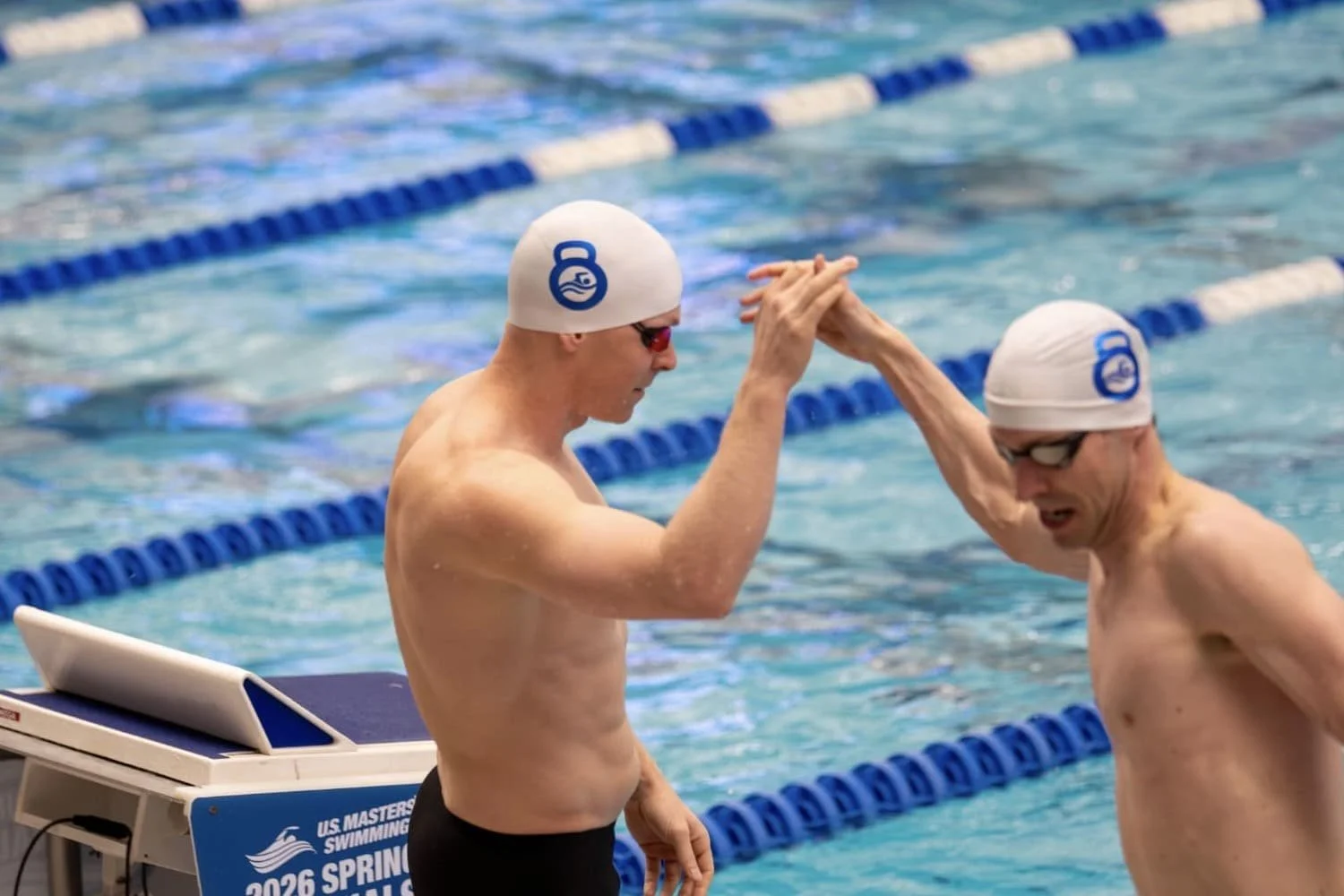
I was especially excited to have about half a dozen current and former Train Daly athletes competing throughout the weekend.
Train Daly Athlete Performances at USMS Spring Nationals 2026
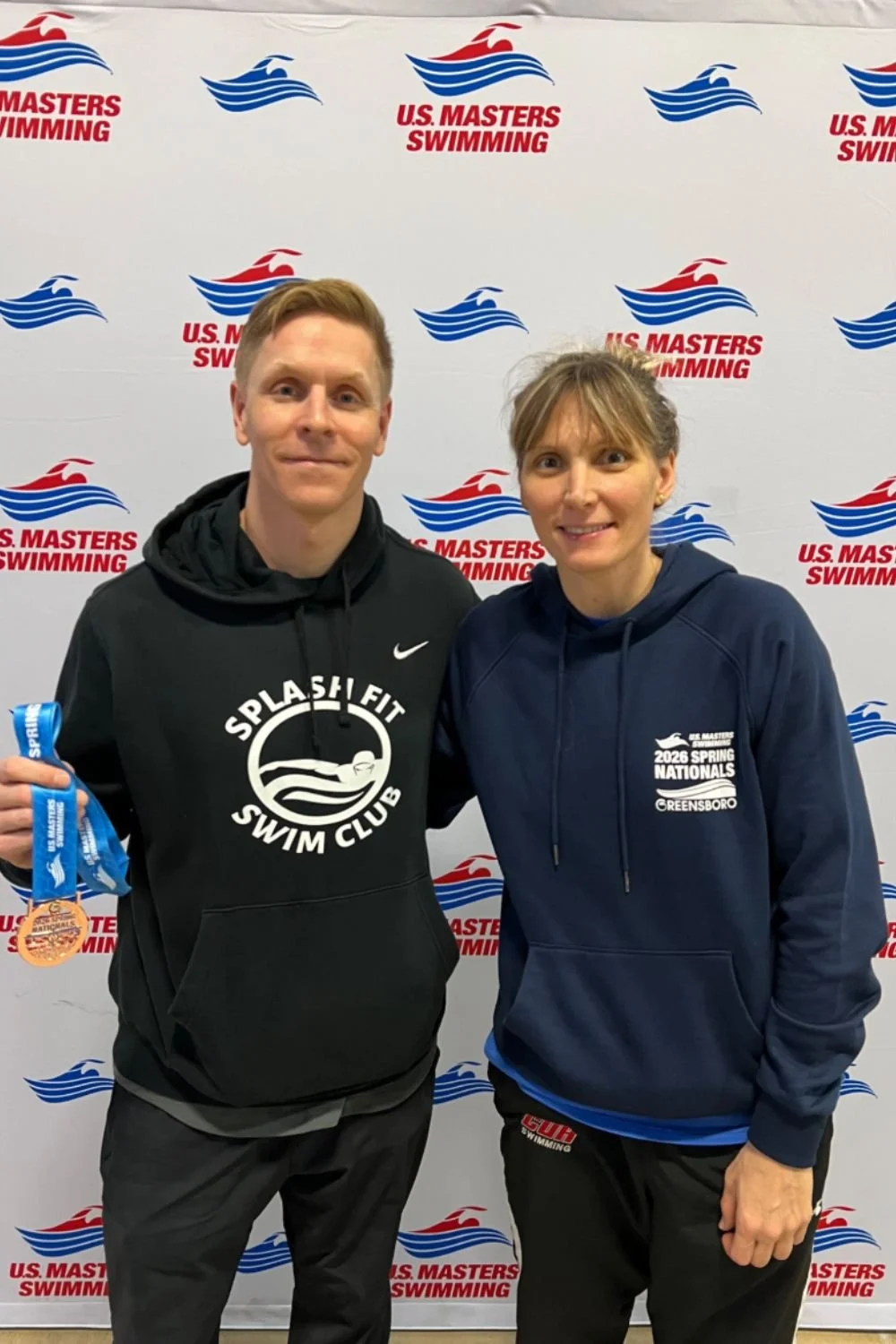
One standout performance came from my client Paul. After stepping away from swimming following high school, Paul returned to the sport just two years ago. Through consistent swim and dryland programming, combined with periodic trips to NYC for in-person coaching sessions, he has steadily dropped time meet after meet this season.
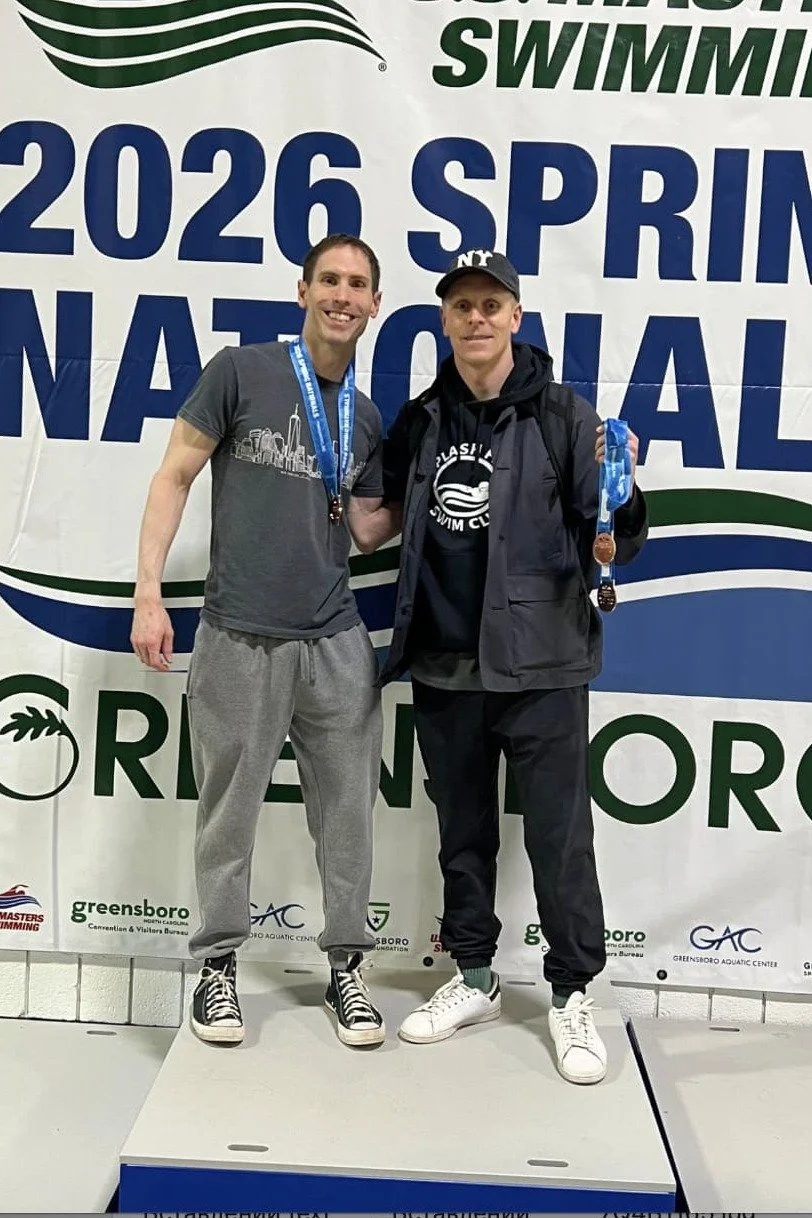
Dan Daly and Paul after a strong weekend of racing at the 2026 USMS Spring Nationals in Greensboro
This past weekend at USMS Spring Nationals 2026, he recorded six lifetime best performances. Canadian Nationals is next on the calendar in two weeks before shifting focus toward longer open water events later this summer.
Another highlight of the weekend was watching my longtime friend Krisztina Kovacs put together an incredible meet. Krisztina became national champion in the women’s 40–44 200 IM and 200 breaststroke, while also finishing second in both the 50 and 100 breaststroke. Between individual events and relays, she finished top 10 and medaled in nine events total.
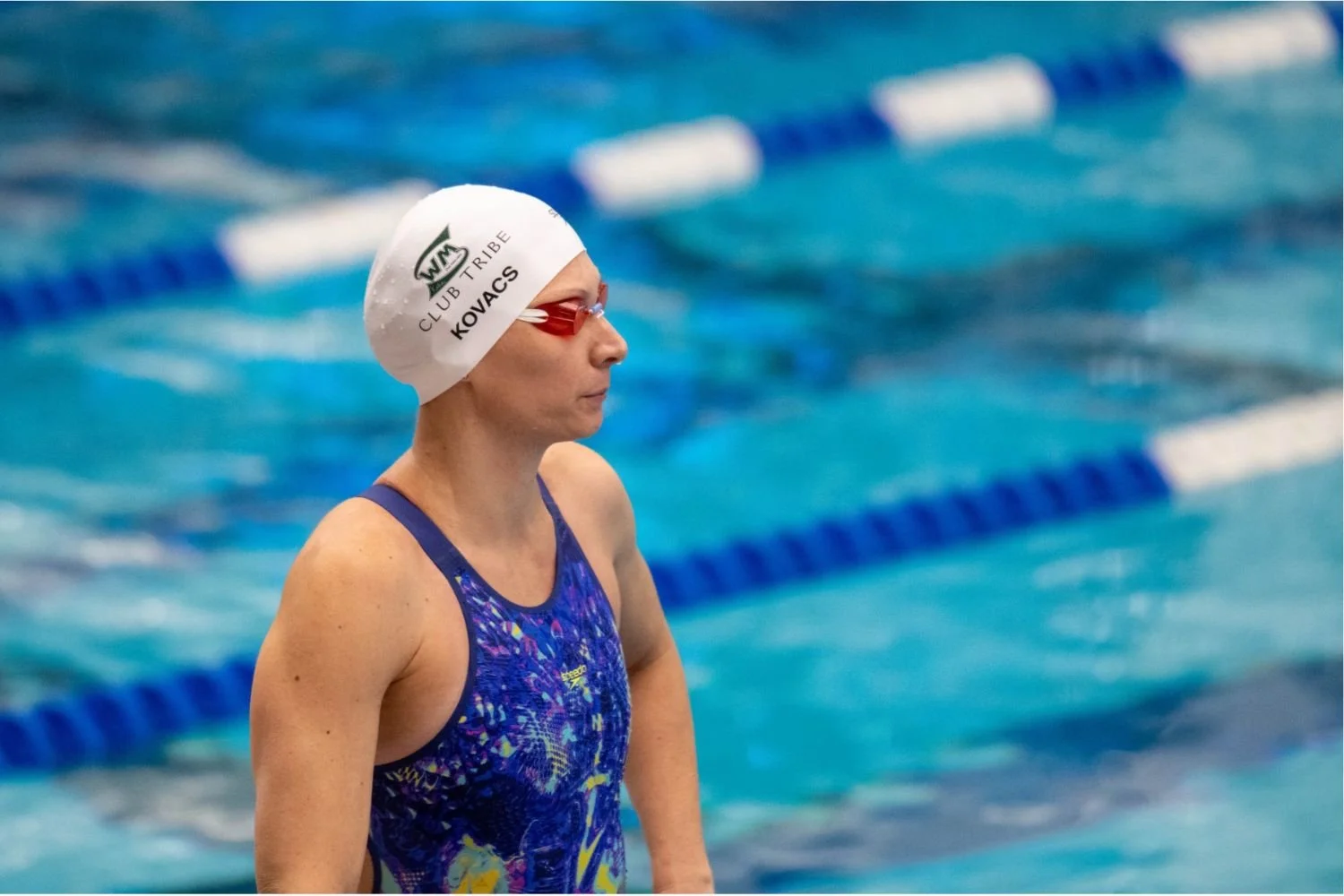
She has already started twisting my arm to coach her for Long Course Nationals later this summer and ultimately the World Championships in Budapest in 2027.
Sprint-Focused Training for US Masters Swimming
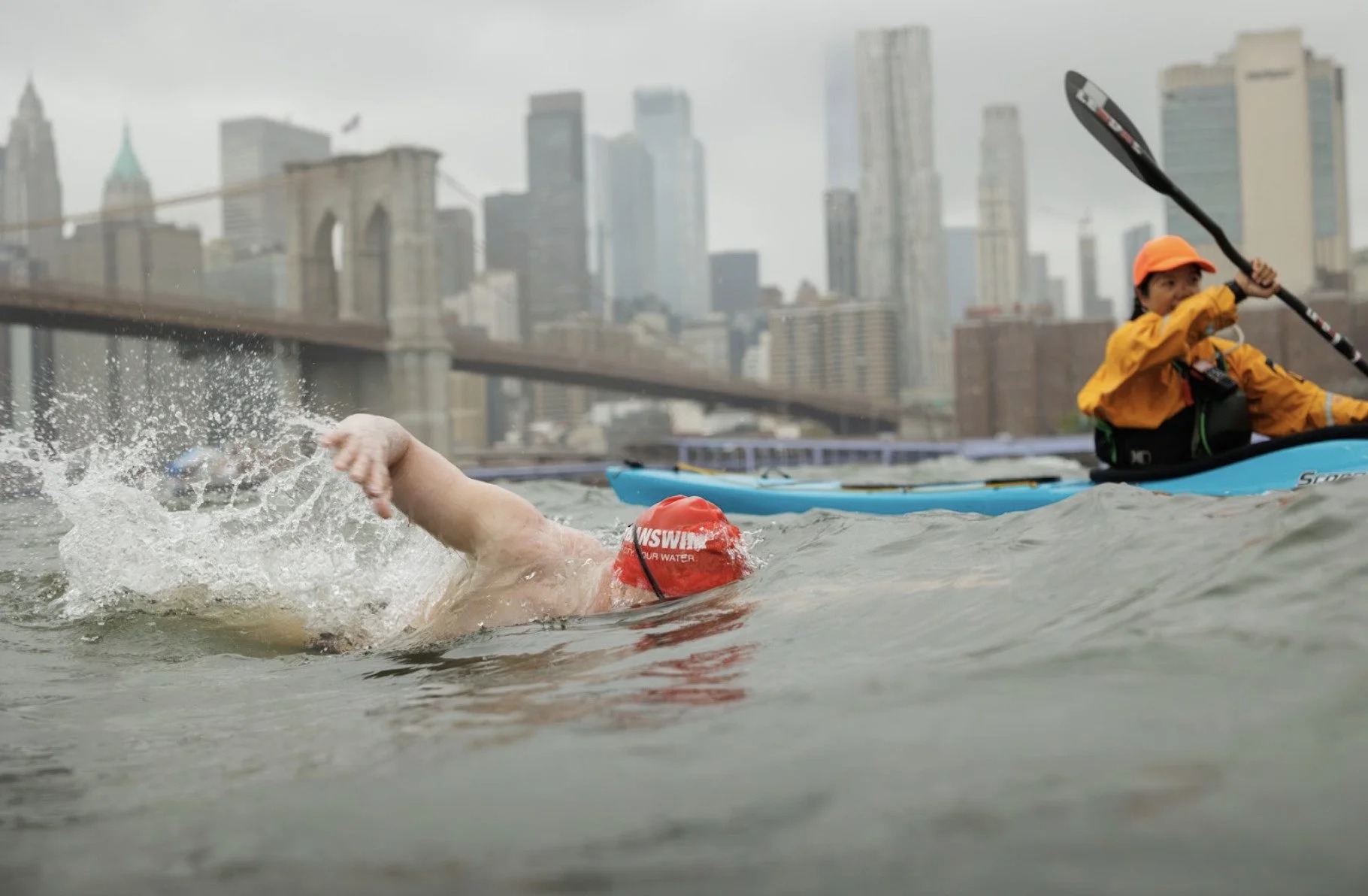
Personally, my own training focus has looked very different this year. Since swimming around Manhattan last September, I intentionally shifted away from higher-volume aerobic training and toward sprint speed and power development.
What I’ve found increasingly important as I’ve gotten older is maintaining speed, power, and technical precision rather than accumulating endless volume. Short, high-quality work with intentional resistance, tempo control, and strength training allowed me to stay healthier, recover better, and still compete nationally against some incredibly strong fields at the USMS Spring Nationals.
One thing I’ve learned over the years is that quality and intent matter more than simply accumulating yardage. Every sprint, resistance effort, and technical repetition had a specific purpose tied directly to race performance. Instead of leaving practices exhausted from volume, I wanted to leave sessions feeling sharp, explosive, and mechanically efficient.
Most of my swim work this season involved highly race-specific sets using short repeats of 25 yards or less with resisted and assisted equipment including the Destro Machine Power Tower, parachutes, resistance bands, drag sox, drag suits, fins, paddles, and tempo trainers.
A major emphasis throughout the season was improving stroke power while maintaining tempo and efficiency under fatigue. I also spent a lot of time focusing on starts, breakouts, and speed maintenance, especially in breaststroke-specific race segments where small technical improvements can make a meaningful difference over 50 and 100-yard races.
Outside the pool, I focused on 2–3 weekly high-intensity resistance training sessions emphasizing strength and power. Dryland work included explosive movements, rotational strength, pulling power, and lower-body force production designed to complement sprint swimming rather than simply add fatigue.
As I continue competing in US Masters Swimming, I’ve become more convinced that maintaining strength, speed, and technical precision is one of the biggest keys to long-term performance and longevity in the sport.
My Results at USMS Spring Nationals 2026
Race opportunities in the NYC metro area were somewhat limited this season, but I was able to progressively drop time across two meets leading into Nationals and record several in-season best performances in Greensboro.
At 44 years old, I posted times comparable to what I would have swum during parts of my college career, although I still have my sights set on eventually surpassing lifetime bests.
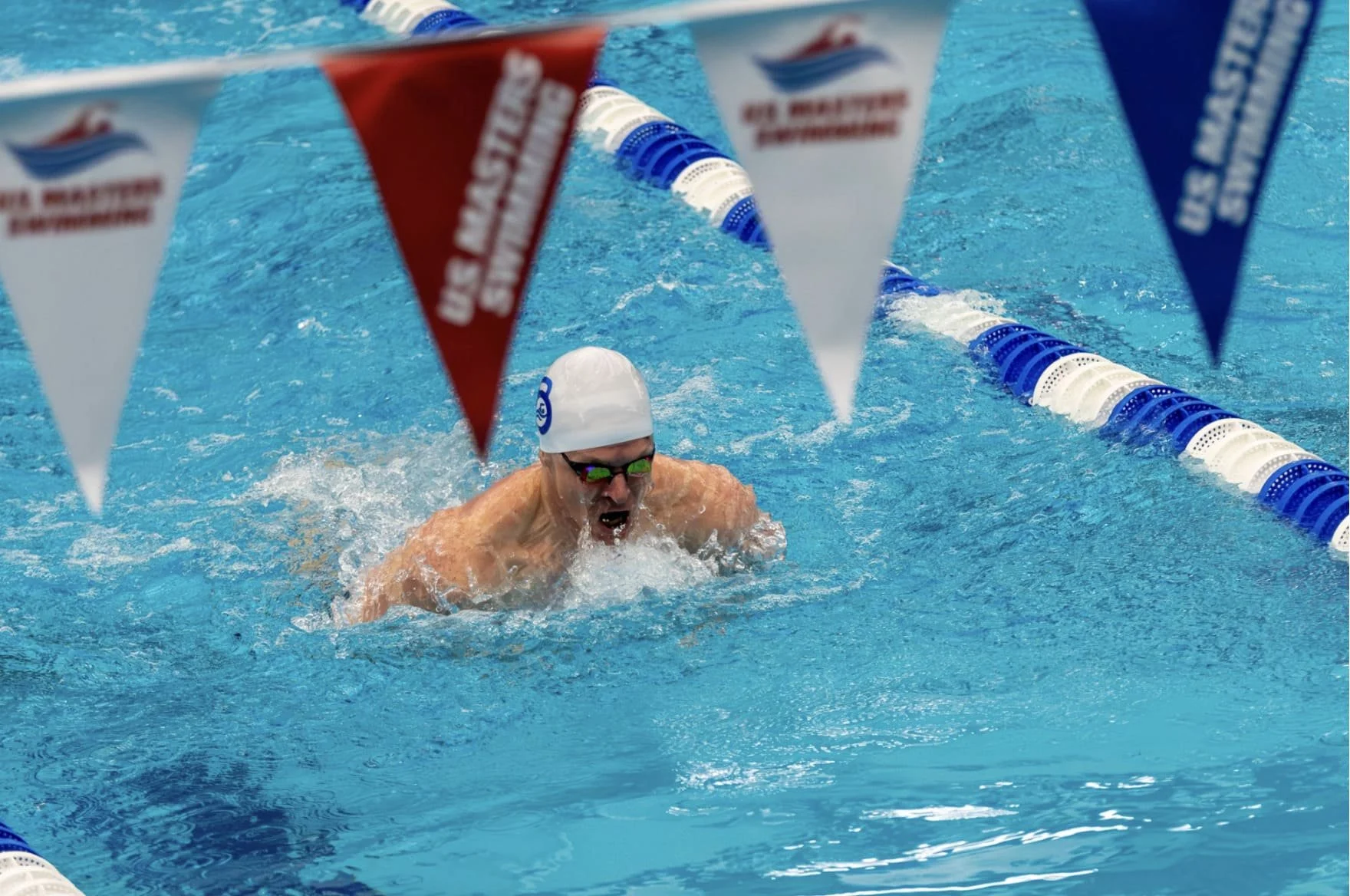
Overall, I medaled in three of my five individual events, placing 4th nationally in the 50 breaststroke with a time of 27.57 and 7th in the 100 breaststroke in 1:00.86.
Looking Ahead After USMS Spring Nationals
As the weather warms up, I’m looking forward to shifting some focus back toward open water training and racing over the coming months while maintaining some of the speed work that carried through this spring season.
One thing I continue to believe strongly as both a coach and athlete is that speed work should never completely disappear from a swimmer’s training program, regardless of age or race distance. Excellence lives in the fundamentals, and maintaining power, efficiency, and technical precision becomes increasingly important over time.
If you’re interested in improving your swimming technique, race strategy, strength training, or open water preparation, I currently work with athletes both in-person in NYC and remotely worldwide through video analysis, programming, and coaching consultations.
A big thank you to my dad for making the trip to Greensboro and capturing many of the moments from the weekend on camera. I’ll share several more photos from the meet below.
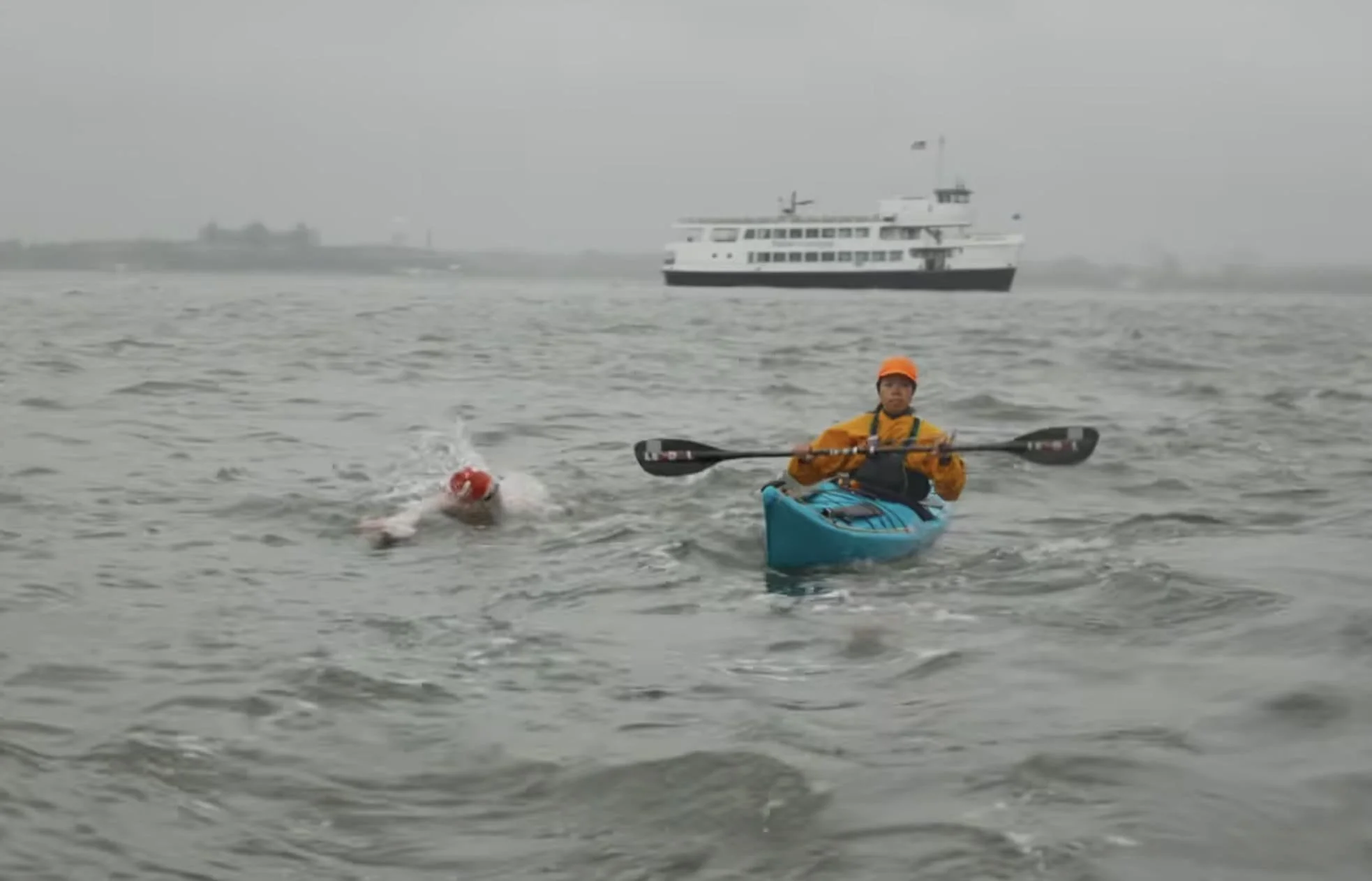

Can a swim current generator make you a better swimmer? Coach Dan Daly shares how he uses current swimming to improve freestyle technique, build endurance, and prepare for open water races. Learn the benefits, limitations, and why a swim current generator is a valuable training tool alongside traditional pool swimming.