

Plyometric Exercises for Swimmers
/Most swimmers spend years building endurance. More yards. More aerobic work. More time in the water. But after coaching swimmers for more than two decades, I’ve seen one thing repeatedly separate good swimmers from explosive swimmers: The ability to produce force quickly. That’s what plyometric training develops.
The swimmer who explodes off the block.
The swimmer who attacks every wall.
The swimmer whose underwater dolphin kick still has power late in the race.
That’s not just conditioning. That’s reactive strength and explosive force production. When used correctly, plyometric exercises for swimmers can dramatically improve starts, turns, underwater speed, and overall athleticism in the water. But swimmers are different from traditional field athletes. You can’t just copy a football workout and expect it to transfer to swimming performance.
Plyometric training for swimmers needs to support movement quality, streamline control, coordination, and force transfer into the water. That’s the key.
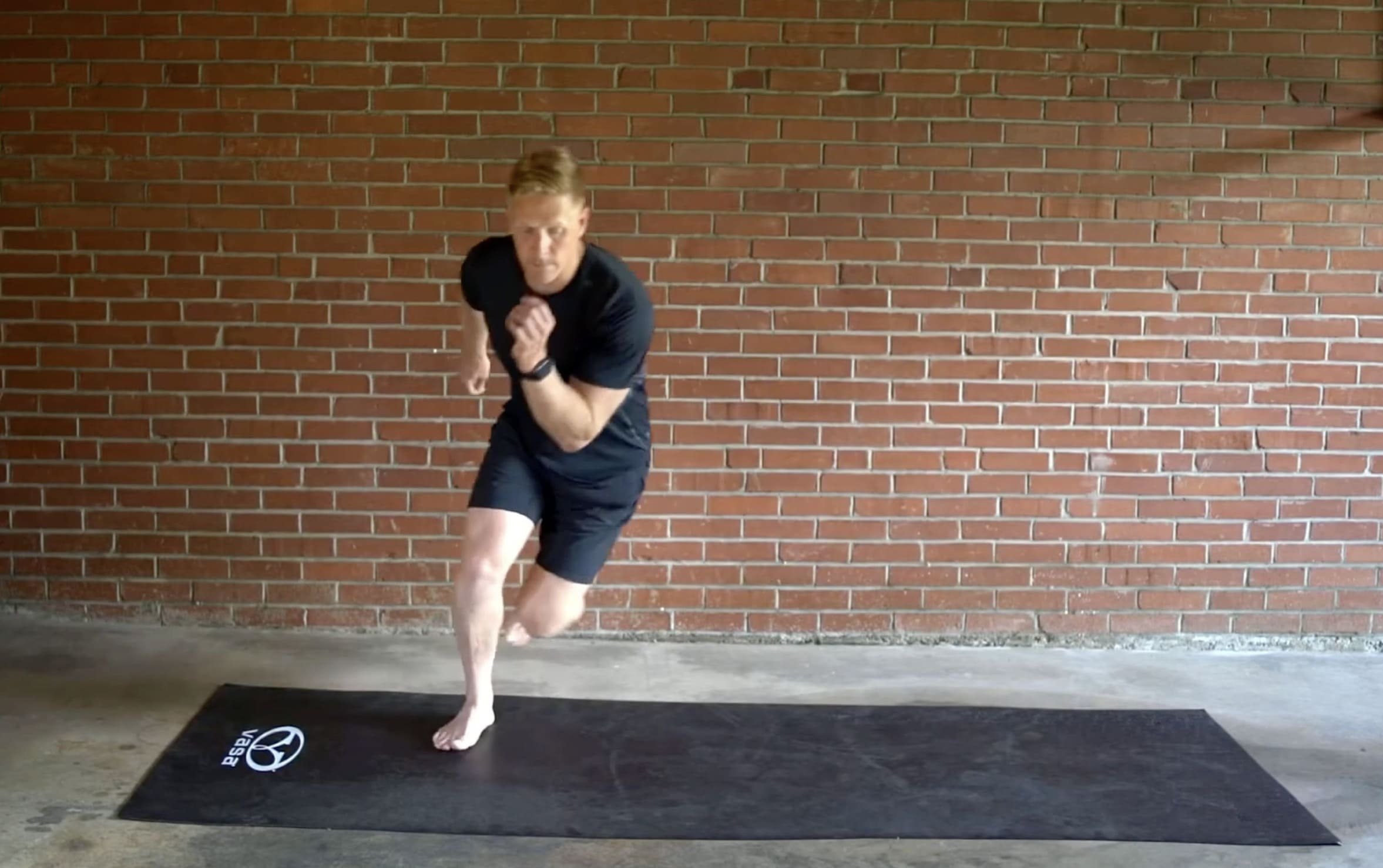
What Is Plyometric Training?
Plyometrics are explosive exercises that train your body to produce force rapidly through what’s called the stretch-shortening cycle. In simple terms: your muscles quickly load, react, and explode.
You see this during:
underwater push-offs
butterfly kicking
sprint acceleration
The goal is not exhaustion. The goal is speed and power. One mistake I see often is swimmers turning plyometrics into conditioning circuits. That completely changes the purpose of the training. Good plyometric work should feel explosive, crisp, and athletic — not slow and fatigued.
Why Plyometrics Matter for Swimmers
Swimming is a strange sport in many ways. You need to generate explosive force in an unstable environment while staying technically efficient. That’s why dryland training has to transfer directly into movement patterns that matter in the pool.
Plyometrics help swimmers:
improve reaction time off the blocks
create more force during turns
improve dolphin kick power
develop better hip extension
improve stiffness through the ankles and feet
generate faster neuromuscular firing
In sprint races, the first 15 meters can completely change the outcome of the swim.
The same is true at every wall. I’ve worked with swimmers who gained more speed from improving their turns and underwater explosiveness than from adding additional swim volume.
Excellence lives in the fundamentals. And explosive movement is one of those fundamentals.
Plyometric Training for Swimming Is Different
This is where many dryland programs fail swimmers.
Swimmers already accumulate enormous training volume in the water, and during heavy training blocks their shoulders, nervous systems, and overall recovery capacity are constantly under stress. Because of that, plyometric training for swimmers must be carefully controlled and programmed with intention.
I always remind swimmers that more is not better — better is better.
That’s why I prefer lower-volume, high-quality explosive work with excellent mechanics instead of endless jump circuits that leave athletes exhausted before practice. The goal of plyometrics is force production, reaction speed, and movement quality — not fatigue for the sake of fatigue.
Before You Start Jump Training
One of the most overlooked parts of plyometric training is landing mechanics. If a swimmer cannot land well, they should not progress to more advanced jumping exercises. Good landing mechanics teach:
force absorption
ankle stiffness
hip stability
knee control
core positioning
All of these qualities matter for both injury prevention and efficient power transfer into the water. That’s one reason I use depth drops frequently in dryland sessions. They teach athletes how to control force before trying to create more force, which becomes an important foundation for more explosive plyometric work later on.
Broad Jumps and Bounding for Explosive Starts
One of my favorite plyometric exercises for swimmers is broad jumping.
Why? - Because swimming starts are horizontal. Many swimmers spend too much time only training vertical force production. But swim starts require horizontal projection and rapid force transfer.
Bounding drills are excellent for teaching:
short ground contact time
reactive force
lower-body stiffness
acceleration mechanics
The key with bounding is rhythm and elasticity. I want swimmers staying light on the floor, reacting quickly, and avoiding excessive sinking between jumps. Think “bounce and project” rather than muscling every movement.
When done correctly, bounding drills help swimmers develop more explosive block starts, stronger push-offs, and better overall athletic movement patterns that transfer directly into sprint swimming.
Speed Skaters and Lateral Force Production
Swimming is not purely linear. Breaststroke timing, body control, rotational mechanics, and even freestyle stability require athletes to control lateral movement efficiently. That’s why speed skaters are one of my favorite lateral plyometric exercises for swimmers.
This drill develops:
lateral power
single-leg stability
hip control
coordination
athletic movement quality
The goal is not just jumping side to side. The goal is controlling force while staying balanced and reactive. This becomes especially valuable for breaststrokers and IM swimmers who need exceptional body control under fatigue.
Lateral Plyometrics for Breaststroke and Body Control
Swimming is not purely linear. Breaststroke timing, rotational control, and stability all require lateral force management. That’s why I like incorporating lateral pogo jumps into dryland sessions.
These are fantastic for:
ankle stiffness
tendon strength
lower leg elasticity
quick reactive movement
Keep the contacts fast and light. Most swimmers spend too much time muscling movement instead of developing elastic energy return through the feet and ankles.
Swim-Specific Plyometric Drills
This is where things get fun. I like adding assisted acceleration drills that challenge timing, rhythm, and movement speed specific to butterfly and breaststroke mechanics.
These drills help swimmers:
move explosively through patterns
improve rhythm under speed
develop faster neuromuscular coordination
connect dryland movement to actual swimming
This is the bridge between gym power and water performance. That transfer matters.
Depth Jumps and Reactive Power
Once a swimmer develops proper landing mechanics, reactive jumps become incredibly powerful tools. Depth jumps train the body to absorb force and immediately redirect it explosively. That rapid transition is exactly what happens during starts, turns, and underwater push-offs.
This type of work should always stay low volume. Quality over quantity. If jump height or reactivity drops, the set is over.
Full Plyometric Training for Swimming
I also use integrated jump progressions that combine:
acceleration
reaction
coordination
explosive force
streamline control
The goal is not just teaching swimmers how to jump higher. The real objective is teaching the body how to produce force quickly while maintaining technical control and efficient movement patterns that transfer directly into the water.
One thing I constantly remind swimmers is that power without control does not transfer well into swimming. You still need posture, alignment, rhythm, and timing under speed. The best athletes are not only explosive — they’re also efficient and technically disciplined.
That’s why swim-specific plyometric training should challenge both athleticism and body control at the same time.
How Often Should Swimmers Do Plyometrics?
For most competitive swimmers: 1–2 plyometric sessions per week is enough.
More advanced sprint swimmers may tolerate additional reactive work during specific phases of training, but the majority of swimmers benefit most from controlled exposure with excellent recovery.
Plyometrics place stress on:
tendons
nervous system
joints
recovery capacity
This is especially important during heavy swim training. I’d rather see swimmers perform:
fewer jumps
better mechanics
higher intent
full recovery between sets
That approach produces better long-term results.
Common Plyometric Mistakes Swimmers Make
The biggest mistake is turning explosive work into conditioning. Once movement slows down, you’re no longer training power effectively.
Other common mistakes include:
poor landing mechanics
excessive volume
skipping warm-ups
fatigued jumping
collapsing knees
losing posture during jumps
Plyometric training should look athletic and controlled. Not sloppy.
Additional Dryland Resources for Swimmers
If you want to improve lower-body explosiveness and athletic movement further, I’d also recommend these articles: Skipping Exercises for Swimmers
Skipping drills are one of the most underrated tools for rhythm, elasticity, foot speed, and warm-up preparation. Explosive Swim Start: How to Launch Off the Swim Blocks. This article breaks down how swimmers can improve block power, reaction timing, and launch mechanics off the start.
Final Thoughts
Plyometric exercises for swimmers are not about random jumping. They are about teaching the body to create force quickly, efficiently, and with control that actually transfers into swimming performance.
Done correctly, plyometrics can improve:
starts
turns
underwater speed
athleticism
force transfer into the water
But the real key is intelligent application. Swimmers don’t need more fatigue. They need better movement quality, better coordination, and more efficient power production. That’s where smart dryland training changes performance over time.
At Train Daly, I integrate plyometrics for swimmers into a complete swim-specific dryland system designed to improve explosive power while protecting movement quality and long-term durability. The goal isn’t endless jump circuits or random fatigue. It’s building stronger starts, faster turns, more powerful underwaters, and better athletic movement that translates directly into the pool.
Inside the Swimmer Dryland Subscription, swimmers get structured swim-specific strength training, plyometric progressions, mobility work, core development, and performance-focused dryland programming built specifically for competitive swimming.
Because faster swimmers are not always the swimmers who train harder. Often, they’re the swimmers who learn how to move better, produce force more efficiently, and train with purpose.
Dan Daly is a Certified Strength and Conditioning Specialist (CSCS), former competitive swimmer, and swim performance coach with more than 20 years of experience helping swimmers improve power, speed, mobility, and athletic performance through swim-specific dryland training and technique-focused coaching.