Swim Metrics Explained: What to Track to Get Faster

Swim Metrics Explained: What to Track to Get Faster

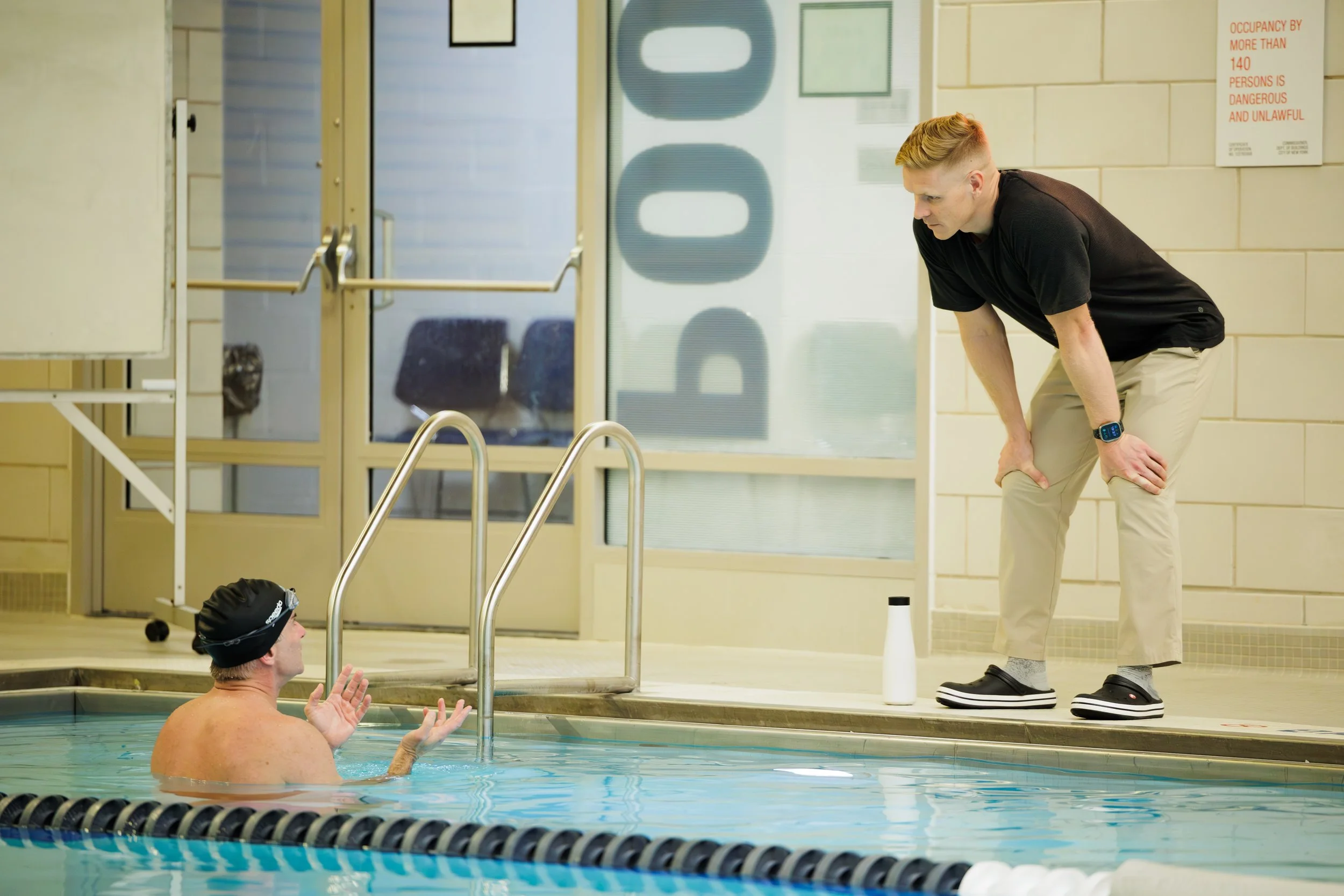
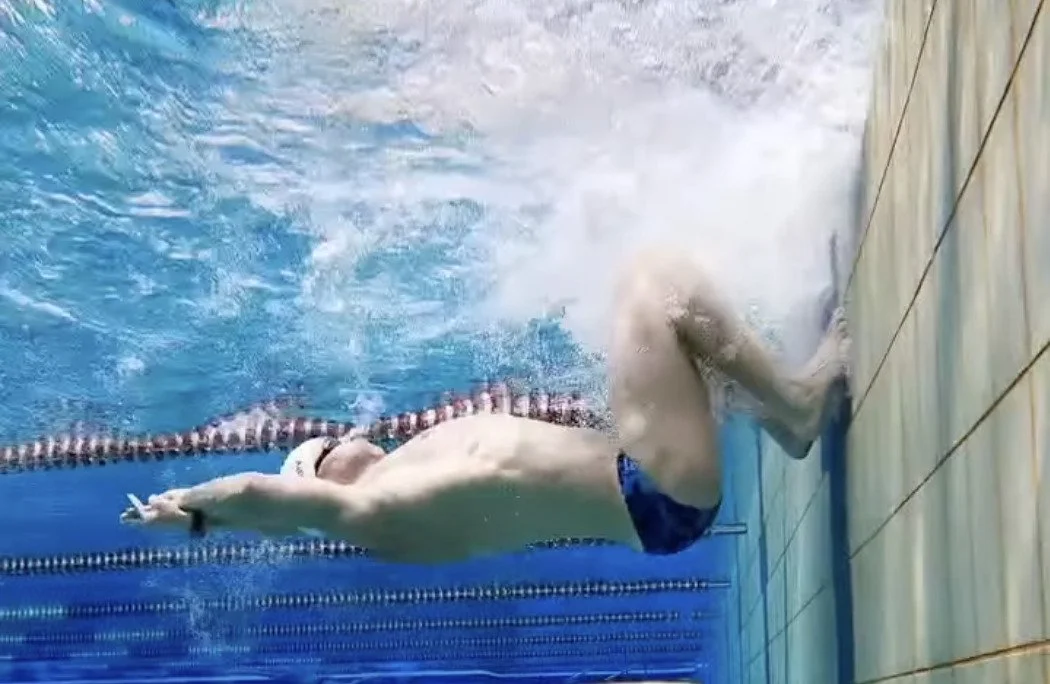
Your swim time tells you how fast you went, but it does not explain what made the difference. Learn how to use swim metrics like pace, stroke count, stroke rate, and SWOLF to understand your technique, recognize fatigue, and make better training decisions. Start with a few simple measurements, then explore how advanced stroke analysis can reveal what is limiting your speed.

Read More
Why Do My Legs Sink When Swimming Freestyle? Causes, Fixes, and Drills

Why Do My Legs Sink When Swimming Freestyle? Causes, Fixes, and Drills

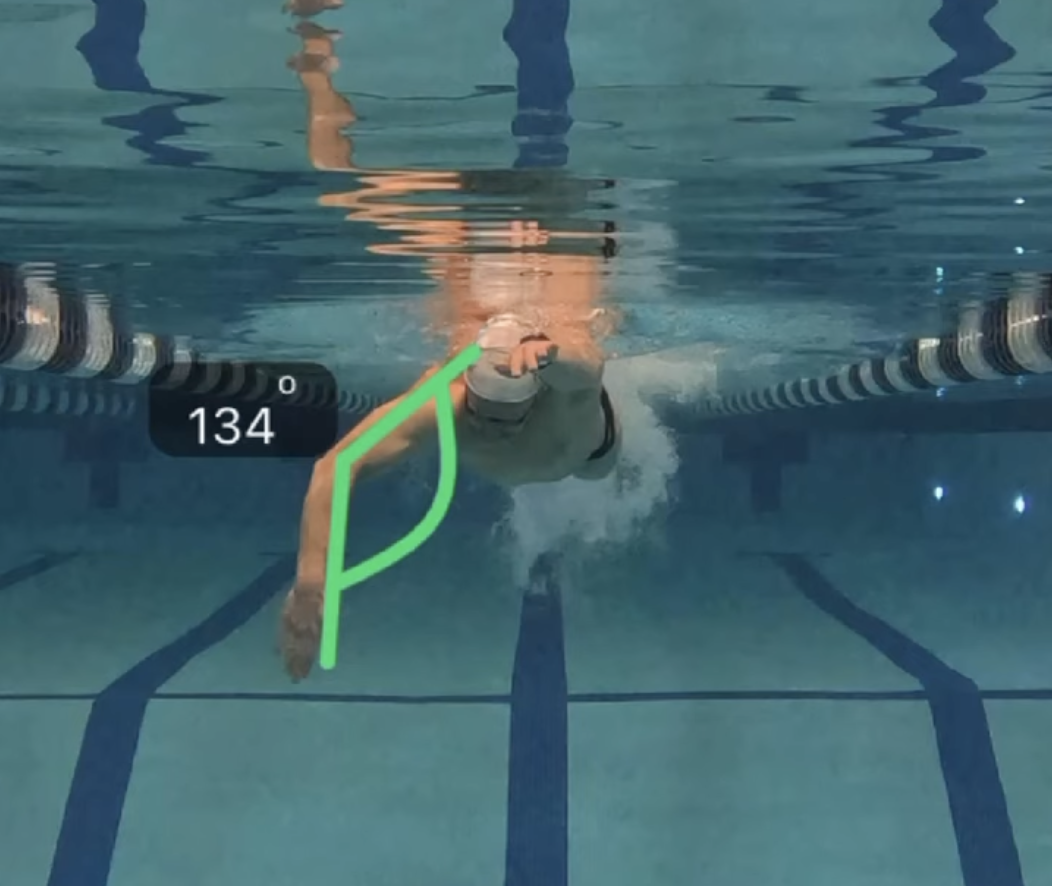
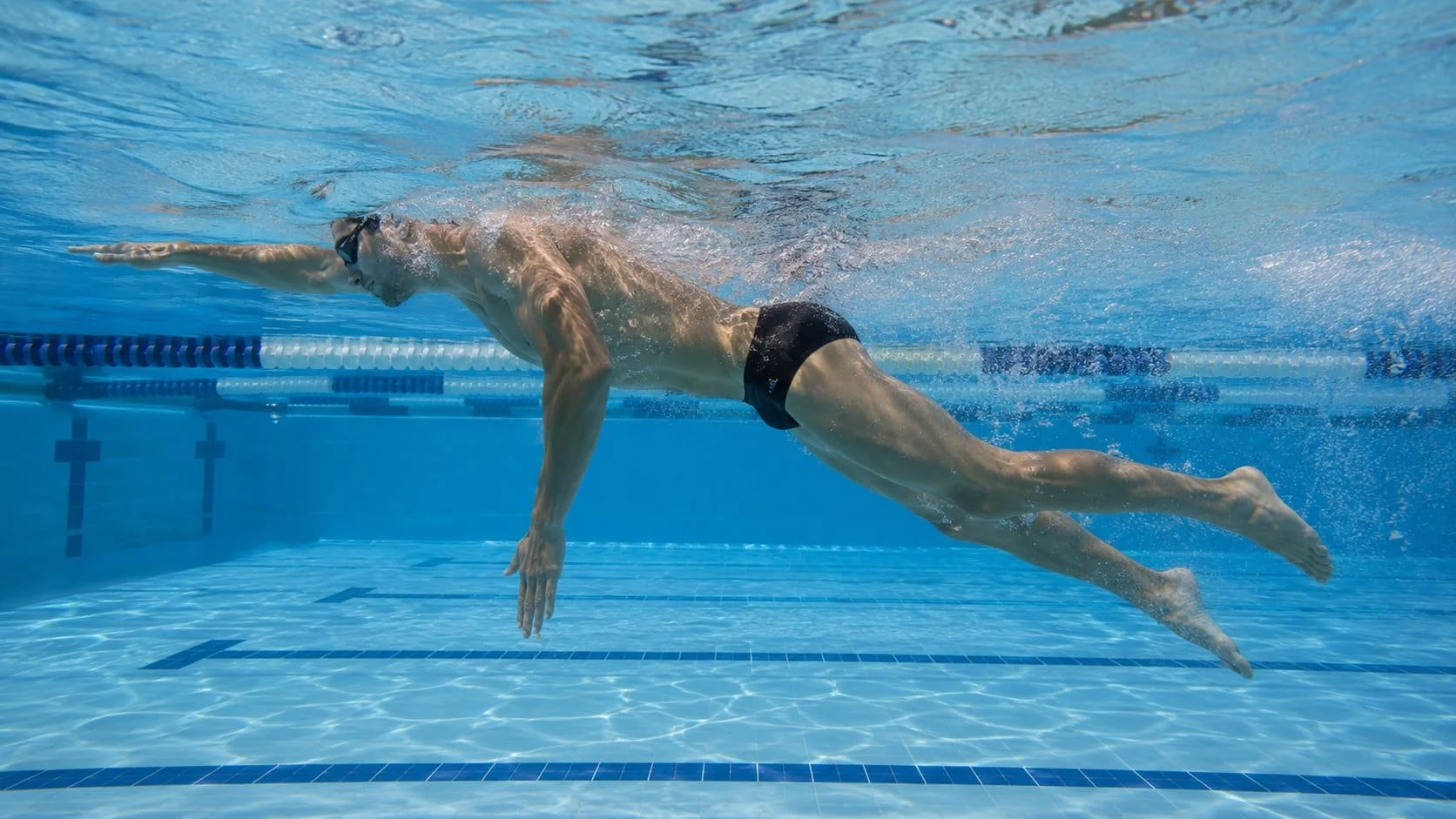
Many swimmers try to fix sinking legs by kicking harder, but the real cause may begin with head position, breathing, catch mechanics, or body alignment. Learn why your legs sink in freestyle and how targeted drills can help you reduce drag, improve balance, and swim more efficiently.

Read More

The 80/20 Rule in Freestyle Swimming: A 60-Minute Workout

The 80/20 Rule in Freestyle Swimming: A 60-Minute Workout

Learn how the 80/20 rule can make freestyle training more focused and effective. This guide explains how to balance controlled aerobic swimming with high-intensity race-pace work, avoid spending too much time at a moderately hard effort, and maintain efficient technique at different speeds. It also includes a ready-to-use 3,000-yard, 60-minute freestyle workout, instructions for calculating your 200-yard freestyle pace, and adaptations for 100- and 500-yard freestyle swimmers.

Read More

How to Improve Your Freestyle Catch: 6 Drills for Better Feel and Early Vertical Forearm

How to Improve Your Freestyle Catch: 6 Drills for Better Feel and Early Vertical Forearm

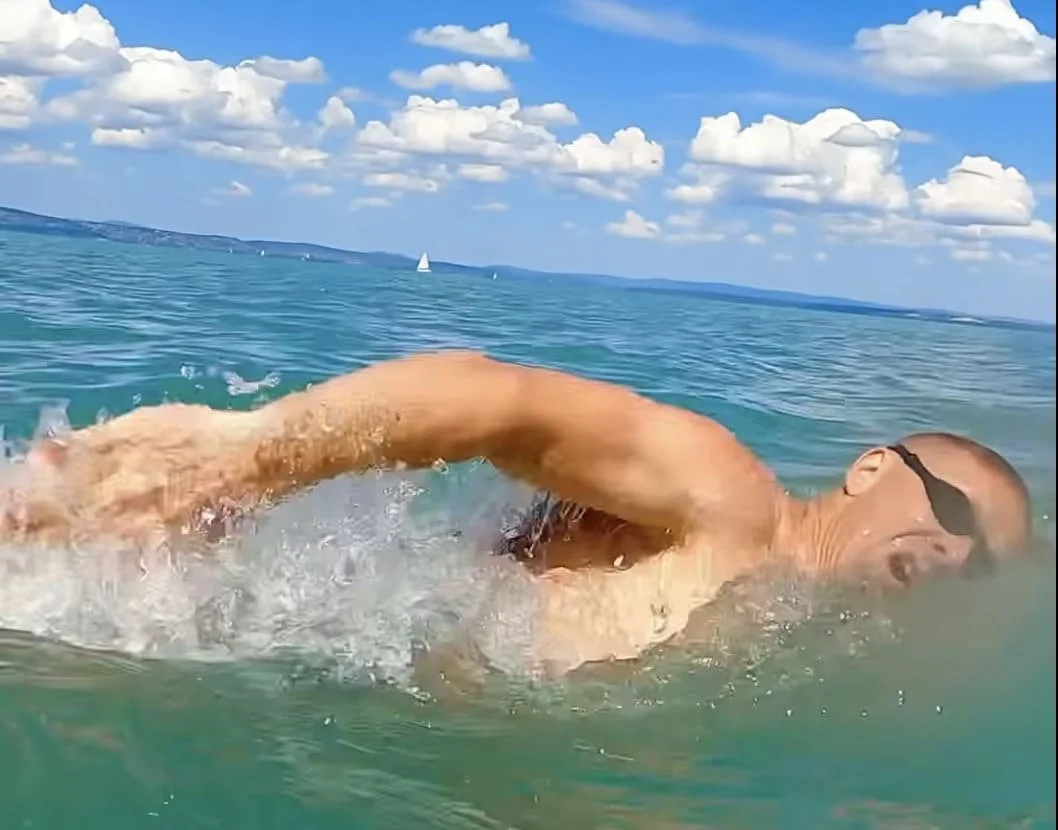
A strong freestyle catch can be the difference between working hard and swimming fast. In this guide, you'll learn six proven catch drills—including the Catch Up Drill, Fist Drill, and Catch Repeats—to improve your feel for the water, develop an Early Vertical Forearm (EVF), and create a more efficient freestyle stroke.

Read More

Freestyle Swimming Mobility and Rotation: How Better Mobility Creates a Stronger Stroke

Freestyle Swimming Mobility and Rotation: How Better Mobility Creates a Stronger Stroke

Many swimmers try to improve their freestyle by focusing only on technique, but the real limitation is often mobility. In this guide, Coach Dan Daly explains how shoulder mobility, hip rotation, and thoracic spine mobility work together to create a smoother, more efficient stroke. You'll learn why proper freestyle body rotation matters, how movement restrictions affect your technique, and what simple dryland exercises can help you move better in the water. Whether you're a competitive swimmer, triathlete, or Masters swimmer, improving mobility can make your freestyle feel stronger, lighter, and more connected.

Read More

How to Swim Butterfly Faster and Stop Burning Out After 25 Yards

How to Swim Butterfly Faster and Stop Burning Out After 25 Yards

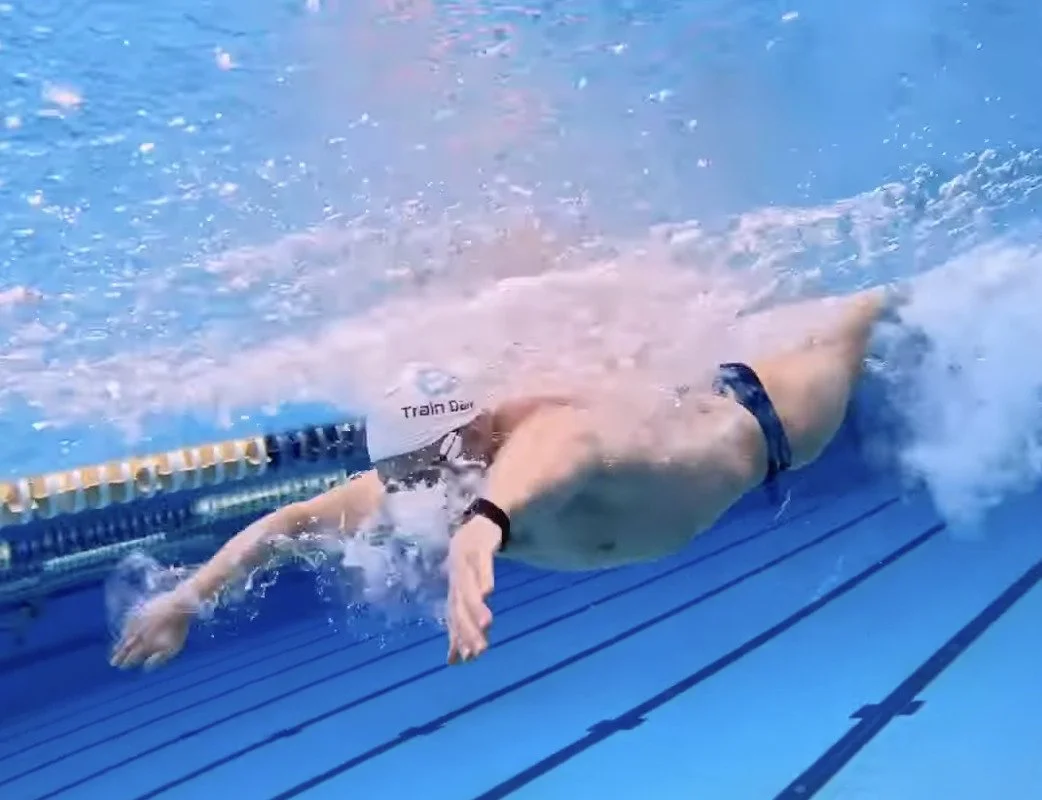
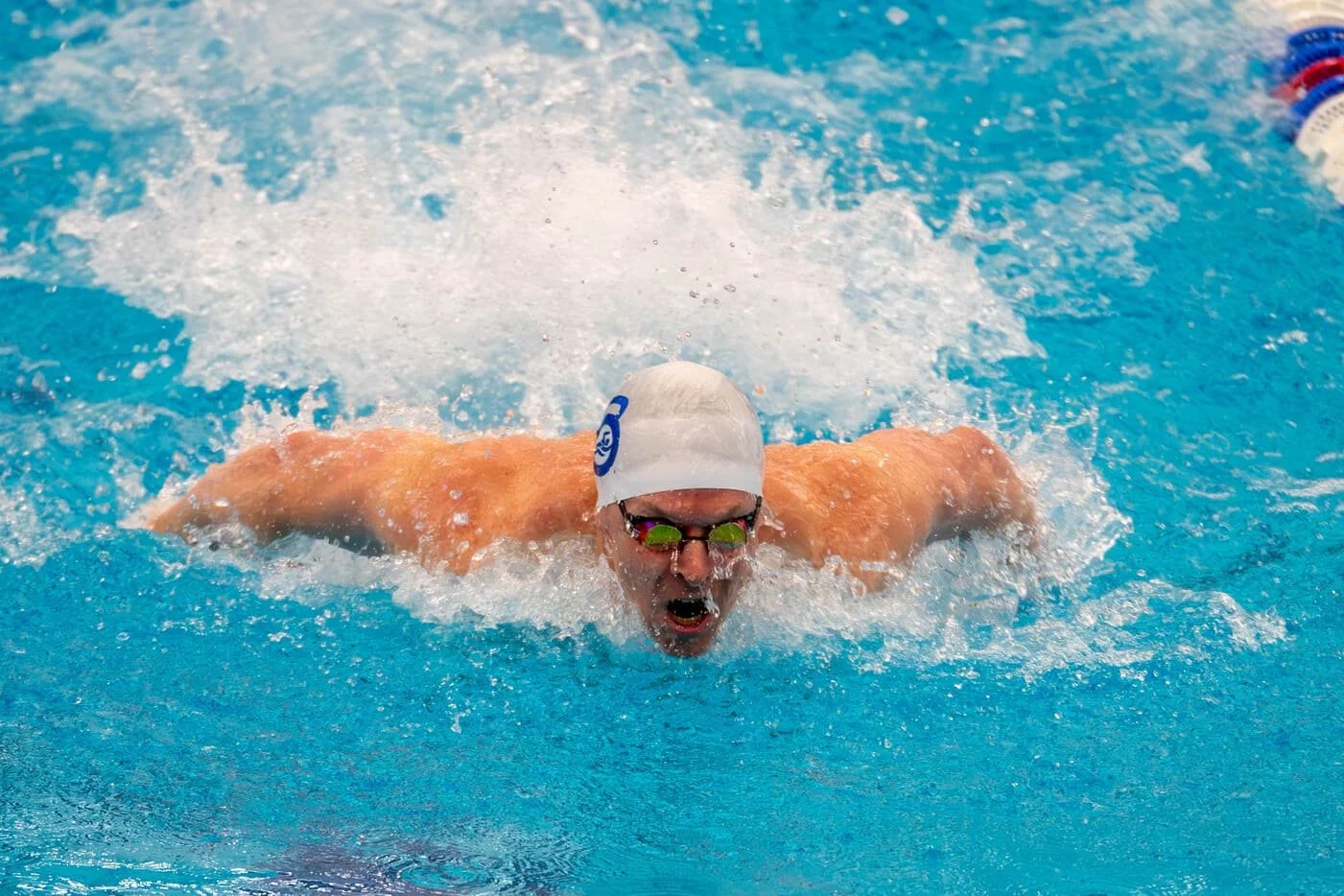
Butterfly has a reputation for being brutal—and for a lot of swimmers, it earns it. You train hard, your kick feels strong, and the first 25 looks solid. Then everything falls apart. Breathing gets rushed, arms feel heavy, and speed disappears. The problem usually isn’t fitness or effort. It’s timing, rhythm, and how well your body works as a system. Once those pieces connect, butterfly stops feeling like punishment and starts feeling controlled, fast, and repeatable.

Read More

Freestyle Flip Turn Technique: How to Turn Faster Without Losing Speed

Freestyle Flip Turn Technique: How to Turn Faster Without Losing Speed

Flip turns are where races are won or quietly lost. Most swimmers focus on stroke technique and conditioning, but overlook the wall — the fastest place in the pool. A strong freestyle flip turn preserves momentum, creates speed, and keeps your swimming connected from wall to wall. In this guide, Coach Dan Daly breaks down flip turn technique step by step, covering approach, rotation, push-off, breathing, and drills that actually work — so you stop leaking speed and start turning faster.

Read More

Best Swim Paddles for Training and Technique

Swim paddles are more than just a training accessory — they can be a powerful tool for building strength, improving technique, and developing a better feel for the water. The key is knowing how to choose the right paddle and when to use it. In this guide, I break down the best swim paddles for training and technique, share tips for safe use, and show you how to integrate paddle work into your swim program without risking shoulder injury.

Read More

What Muscles Does Swimming Work?

What Muscles Does Swimming Work?

Swimming isn’t just cardio—it’s one of the most effective full-body workouts you can do. Every stroke activates major muscle groups across your shoulders, core, and legs, building strength, power, and endurance without the joint strain of land-based training.

In this full-body breakdown, Coach Dan Daly explains exactly what muscles swimming works—stroke by stroke—and how to train them both in and out of the pool. From lats and deltoids to glutes and core stabilizers, you’ll learn how to strengthen the key movers that drive faster, more efficient swimming.

Read More