How to Swim Butterfly Faster and Stop Burning Out After 25 Yards

How to Swim Butterfly Faster and Stop Burning Out After 25 Yards

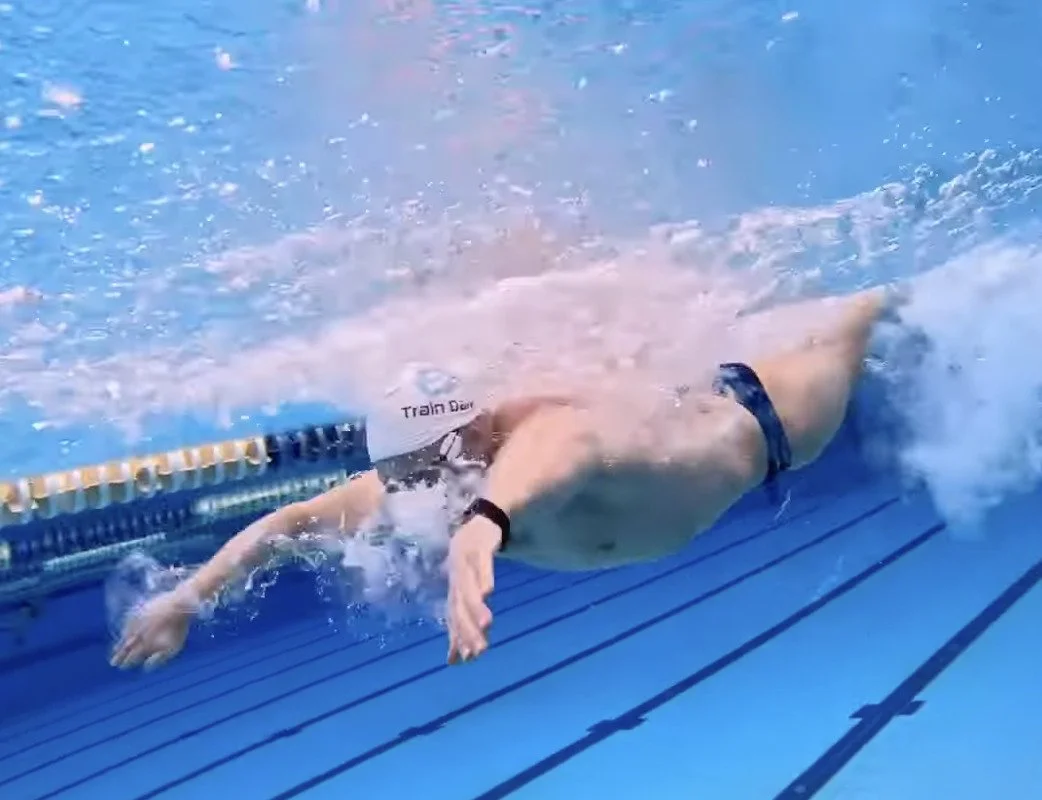
Butterfly has a reputation for being brutal—and for a lot of swimmers, it earns it. You train hard, your kick feels strong, and the first 25 looks solid. Then everything falls apart. Breathing gets rushed, arms feel heavy, and speed disappears. The problem usually isn’t fitness or effort. It’s timing, rhythm, and how well your body works as a system. Once those pieces connect, butterfly stops feeling like punishment and starts feeling controlled, fast, and repeatable.

Read More
Freestyle Flip Turn Technique: How to Turn Faster Without Losing Speed

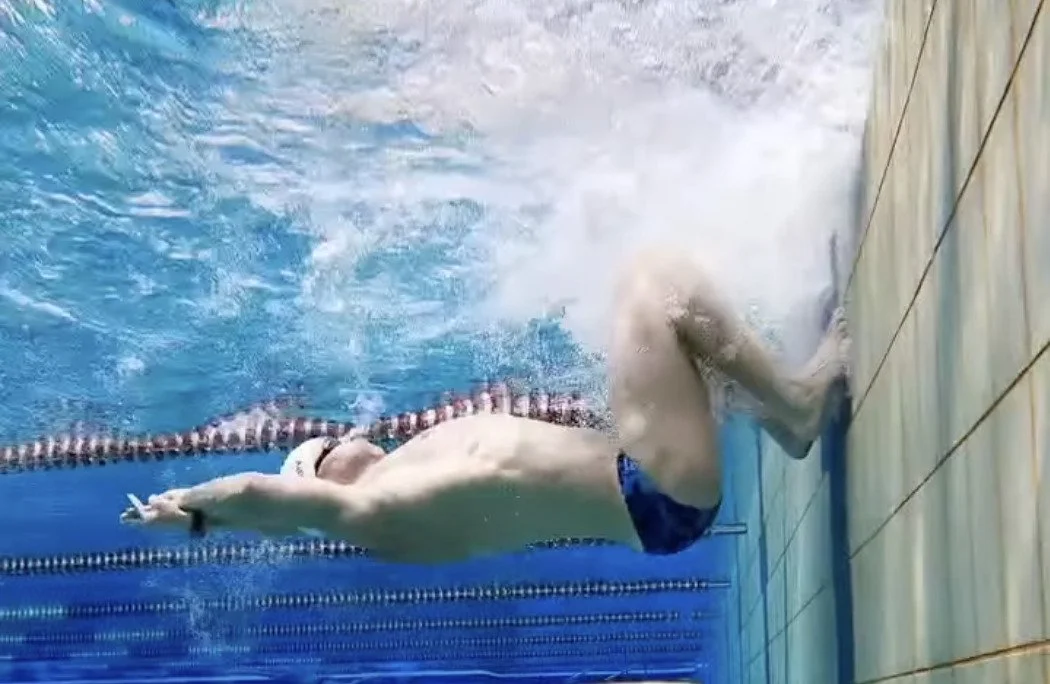
Freestyle Flip Turn Technique: How to Turn Faster Without Losing Speed

Flip turns are where races are won or quietly lost. Most swimmers focus on stroke technique and conditioning, but overlook the wall — the fastest place in the pool. A strong freestyle flip turn preserves momentum, creates speed, and keeps your swimming connected from wall to wall. In this guide, Coach Dan Daly breaks down flip turn technique step by step, covering approach, rotation, push-off, breathing, and drills that actually work — so you stop leaking speed and start turning faster.

Read More

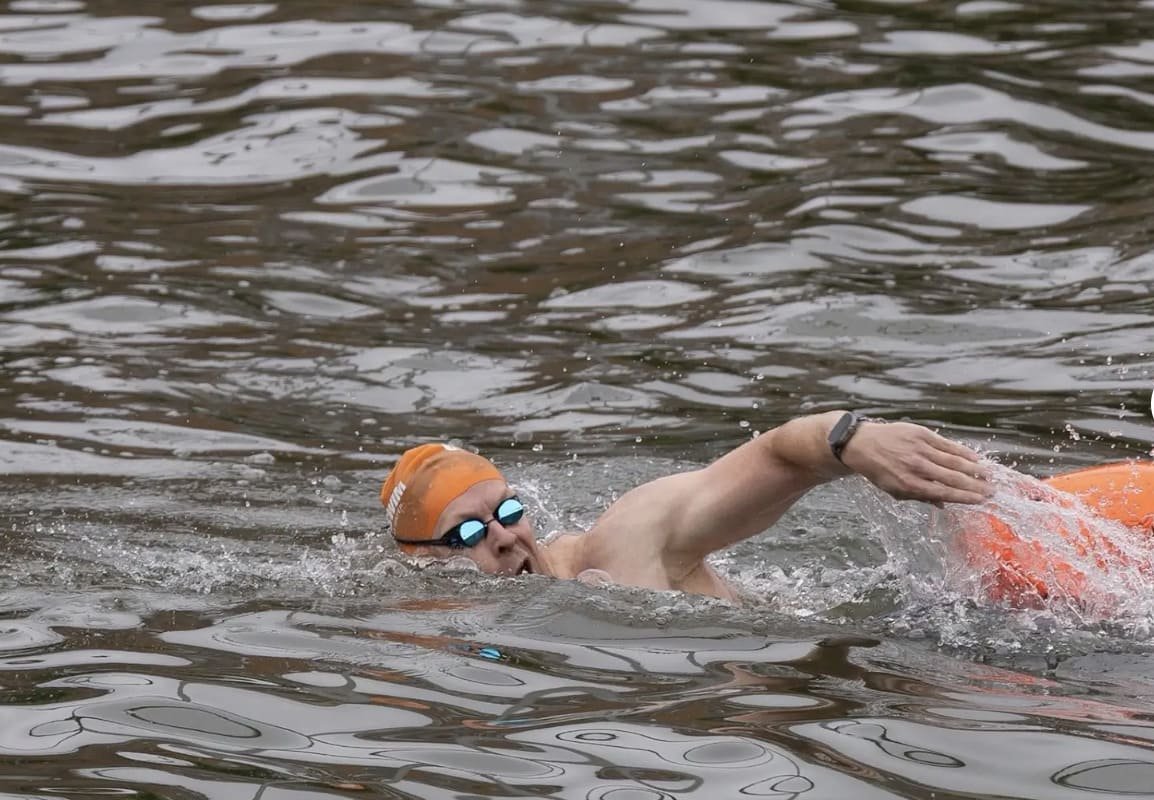
Swim Workouts for Triathletes: Training Plans, Drills & Open Water Tips

Swim Workouts for Triathletes: Training Plans, Drills & Open Water Tips

Training for the swim leg of a triathlon? This guide covers everything from structured swim workouts for triathletes to real-world tips for open water success. You’ll learn how to train swimming for triathlon with drills, technique sets, and threshold workouts designed to build endurance and speed. With coaching insights and supporting video content, you’ll gain the confidence to tackle any swim triathlon event—from sprints to 70.3 distances. Whether you're a beginner learning to swim for triathlon or a seasoned athlete fine-tuning race pace, this coach-approved swim plan will help you get there.

Read More

Mirrored Swim Goggles: Light vs Dark Lenses for Indoor and Outdoor Swimming

Mirrored Swim Goggles: Light vs Dark Lenses for Indoor and Outdoor Swimming

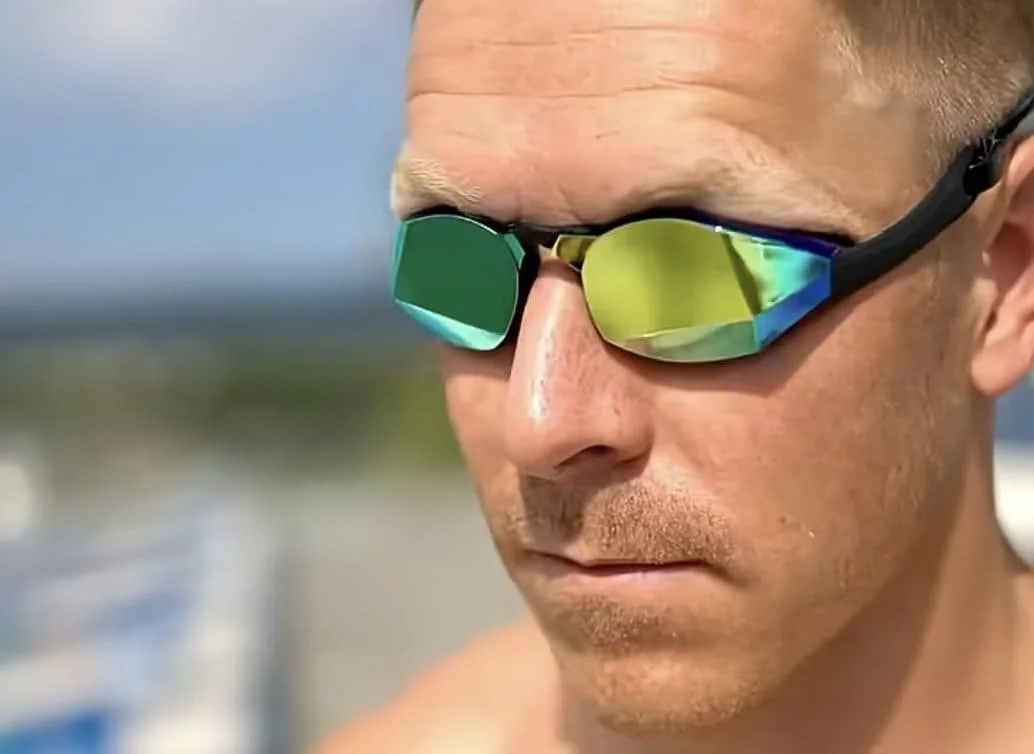
Mirrored swim goggles aren’t just about style or sunny days—they’re about visual control.
Many swimmers choose goggles based on whether they’re mirrored or clear, but the real difference comes down to lens darkness. Light mirrored lenses can be perfect for indoor pools with harsh lighting, while dark mirrored lenses shine outdoors under strong sun. Once you understand how tint and mirror coatings work together, choosing the right goggles becomes simple—and your eyes stay relaxed, focused, and race-ready in any environment.

Read More

How to Warm Up Before Swimming: The Best Pre-Swim Warm-Up Routine

How to Warm Up Before Swimming: The Best Pre-Swim Warm-Up Routine

Warming up properly is essential for peak performance and injury prevention, whether you’re an athlete or a casual exerciser. Unlike traditional warm-ups, which often rely on jogging and static stretching, dynamic warm-ups are designed to raise core temperature, activate the central nervous system, and prepare the muscles and joints through activity-specific movements. This approach increases heart rate, circulation, and flexibility while keeping you mentally engaged. Want to learn how to incorporate dynamic movements into your warm-up? -Read article.

Read More

Stability Ball Exercises for Swimmers: Build Core Strength, Balance, and Control

Stability Ball Exercises for Swimmers: Build Core Strength, Balance, and Control

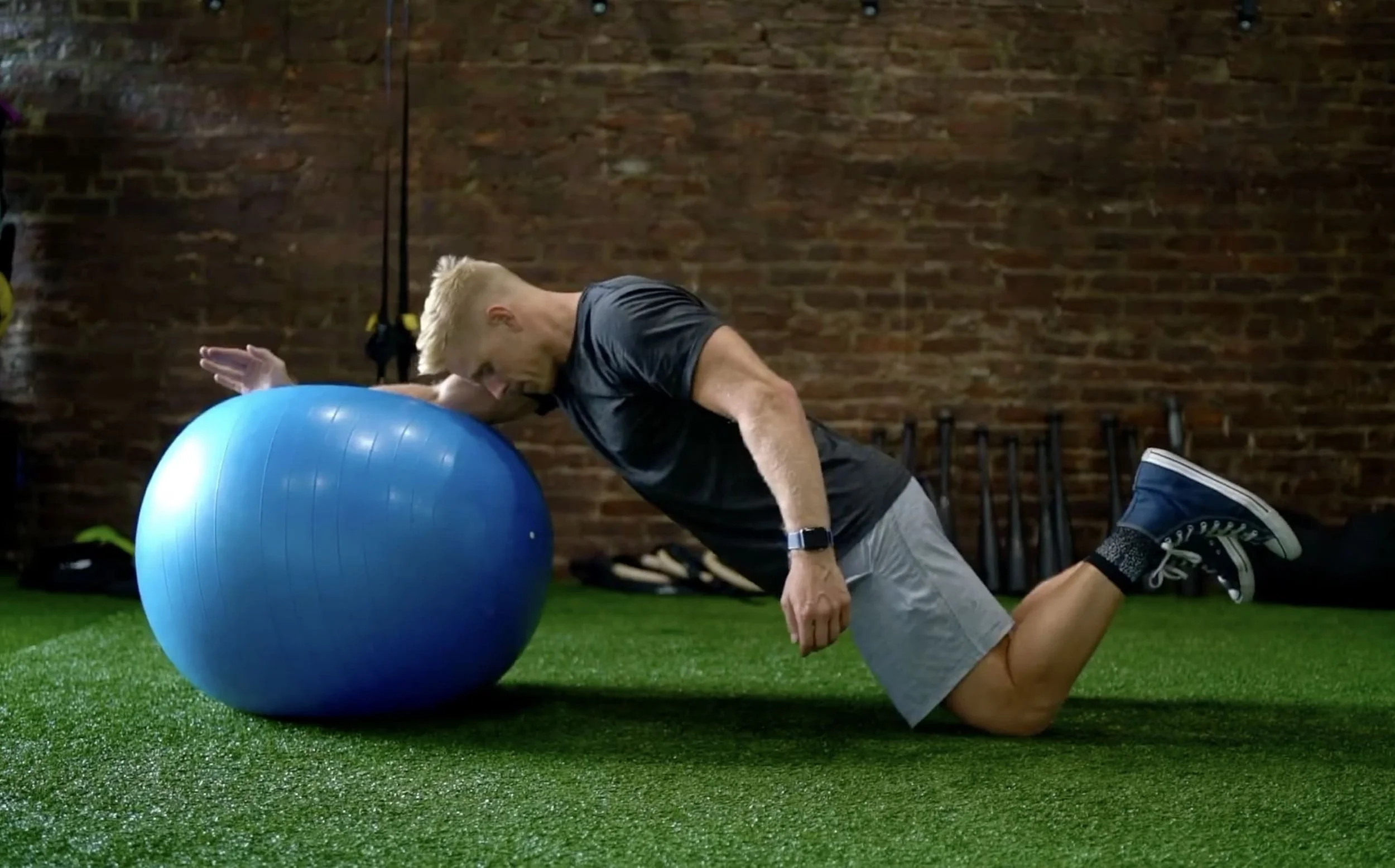
Stability ball training is one of the most effective ways for swimmers to build core strength, hip stability, and body control. In this guide, I break down the top stability ball exercises—including knee tucks, rollouts, glute bridges, and pikes—to help you swim faster with better technique.

Read More

Master Your Race Pace: How to Find (and Train) Your Ideal Swimming Speed

Master Your Race Pace: How to Find (and Train) Your Ideal Swimming Speed

Knowing your race pace—and how to train it—is what separates strong finishers from swimmers who fade halfway through a race. In this guide, Coach Dan Daly, CSCS, breaks down how to calculate your ideal pace, train it effectively, and adapt it for open water. Learn how stroke tempo, endurance sets, and data-driven tools can help you swim faster and more efficiently.

Read More

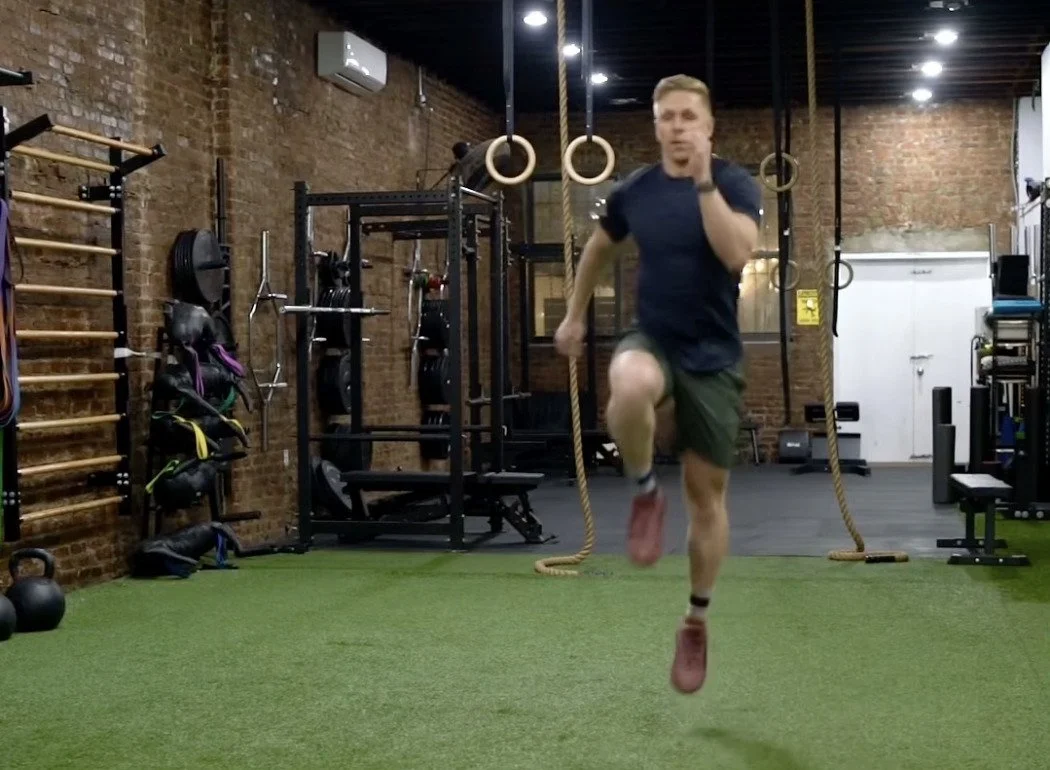
Skipping Exercise for Warm-Up: Power Up Your Swim Session

Skipping Exercise for Warm-Up: Power Up Your Swim Session

Skipping might look simple, but it’s one of the most effective warm-up exercises a swimmer can use before getting in the water. Over the years, I’ve watched swimmers move better, feel stronger, and find their rhythm faster just by adding 20–30 seconds of skipping into their pre-pool routine. It activates your hips, builds coordination, and wakes up the elastic qualities you need for powerful kicking, starts, and turns. Whether you’re a beginner learning how to do the skipping exercise or an experienced swimmer looking for more speed, this warm-up helps you feel ready from your very first stroke.

Read More

How to Practice Swimming Without a Pool

How to Practice Swimming Without a Pool

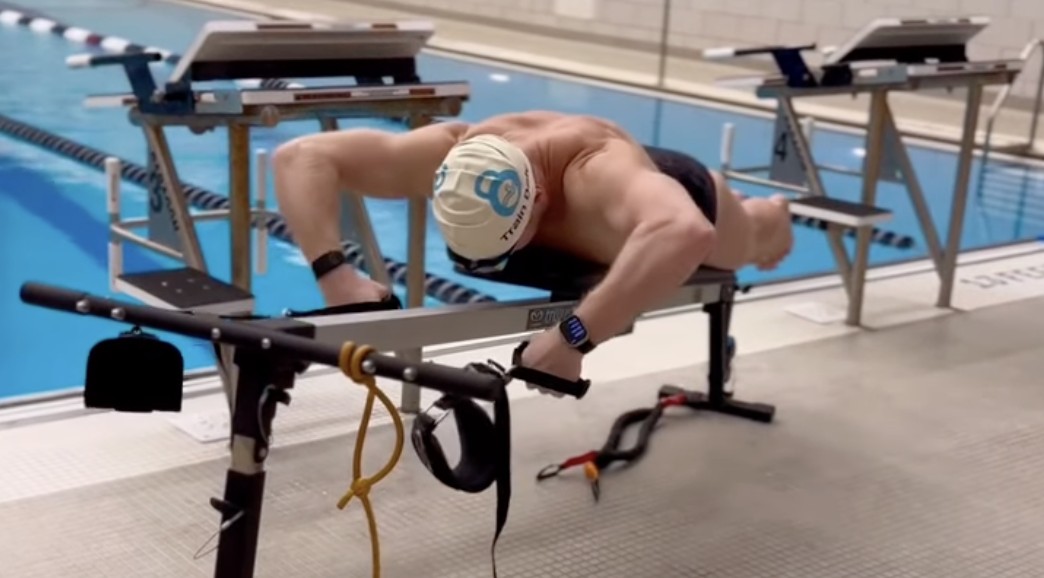
You don’t need a pool to keep improving. With the right at-home approach, you can practice swimming by sharpening your breathing, kick control, posture, and strength on land. These dryland swimming practice drills help you stay ready, stay connected to your stroke, and return to the water faster and more confident.

Read More