

Mirrored Swim Goggles: Light vs Dark Lenses for Indoor and Outdoor Swimming
/Shop FINIS Racing Goggles
Mirrored Goggles Aren’t Just for Sunny Days – and That’s Where Most Swimmers Get It Wrong
Most swimmers think mirrored goggles are only for bright outdoor pools and sunny open water.
That’s not quite right.
The real factor is lens darkness, not whether a lens is mirrored.
You can have:
Light mirrored lenses (great indoors)
Dark mirrored lenses (best in sun)
Dark non-mirrored lenses
Light non-mirrored lenses
The mirror coating controls glare and reflection.
The tint controls how much light gets through.
Once you understand that difference, choosing goggles becomes simple—and your eyes will thank you.
The Two Things That Actually Matter When Choosing Goggles
1. Lens Darkness (Most Important)
This determines how bright or dark your view is.
Light lenses → better for indoor pools and low-light conditions
Medium lenses → versatile for mixed conditions
Dark lenses → best for outdoor swimming and strong sun
2. Mirror Coating (Secondary)
This is a reflective layer on the outside of the lens. It reduces glare and reflections off water, tiles, and lane lines.
Mirror coatings:
Reduce eye strain
Improve visual comfort
Add privacy (yes, swimmers care about this more than they admit)
You can have mirror + light tint or mirror + dark tint. That’s the key distinction most swimmers miss.
What Are Mirrored Swim Goggles, Really?
Mirrored swim goggles have a thin reflective coating—similar to sunglasses. That coating bounces glare away from your eyes, which helps in bright environments.
They’re useful when:
Swimming outdoors
Racing under intense pool lights
Training in highly reflective pools
You want visual privacy
But the mirror itself does not determine how dark the goggles feel. The lens tint does.
Light Mirrored vs Dark Mirrored Goggles

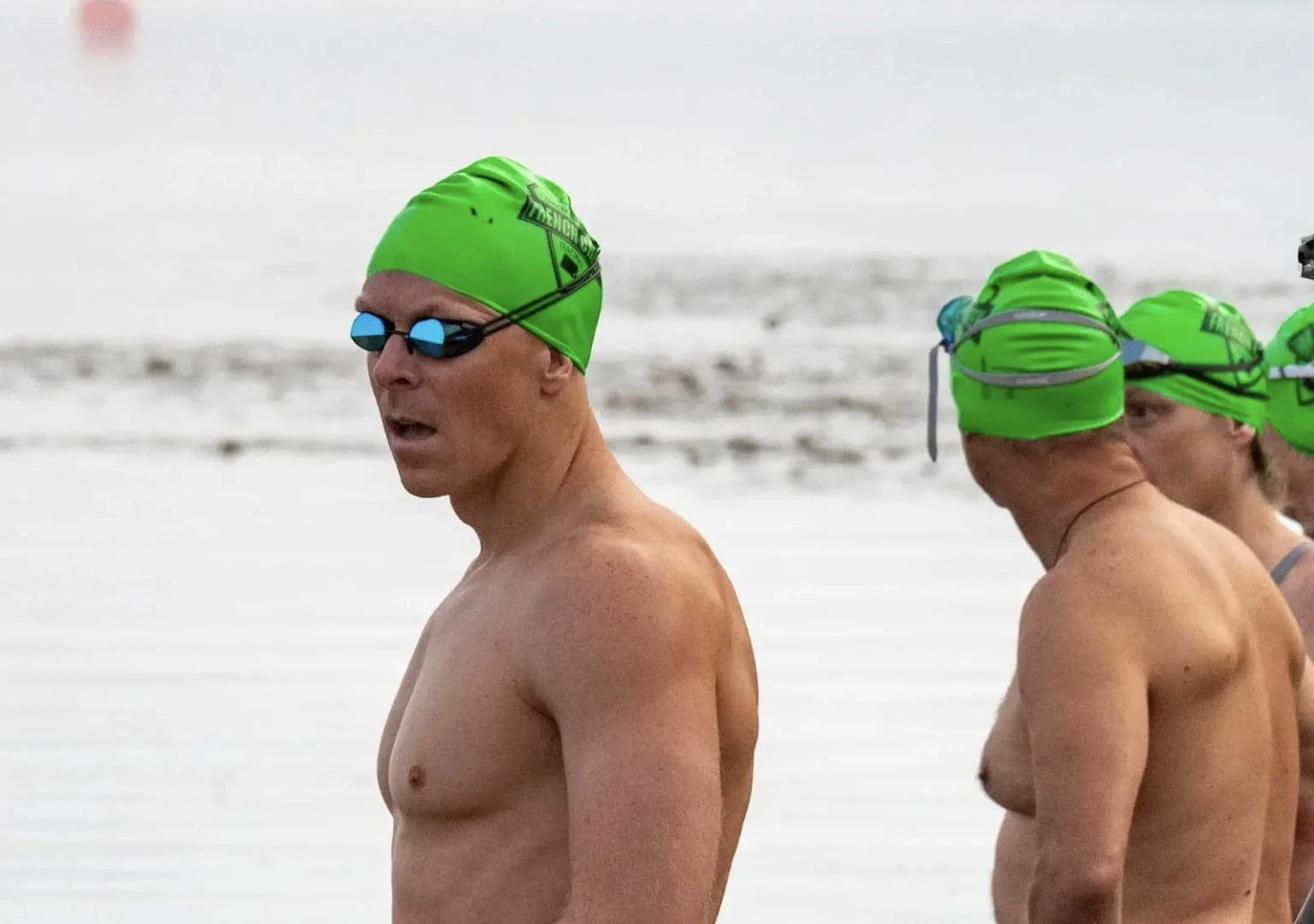
Dan Daly wearing light mirrored swim goggles during pool training
Light Mirrored Lenses
Let in plenty of light
Reduce glare without darkening your vision
Excellent for indoor pools with strong lights
Great for early morning or cloudy conditions
These are massively underrated and ideal for swimmers who want comfort without feeling like they’re swimming at dusk.
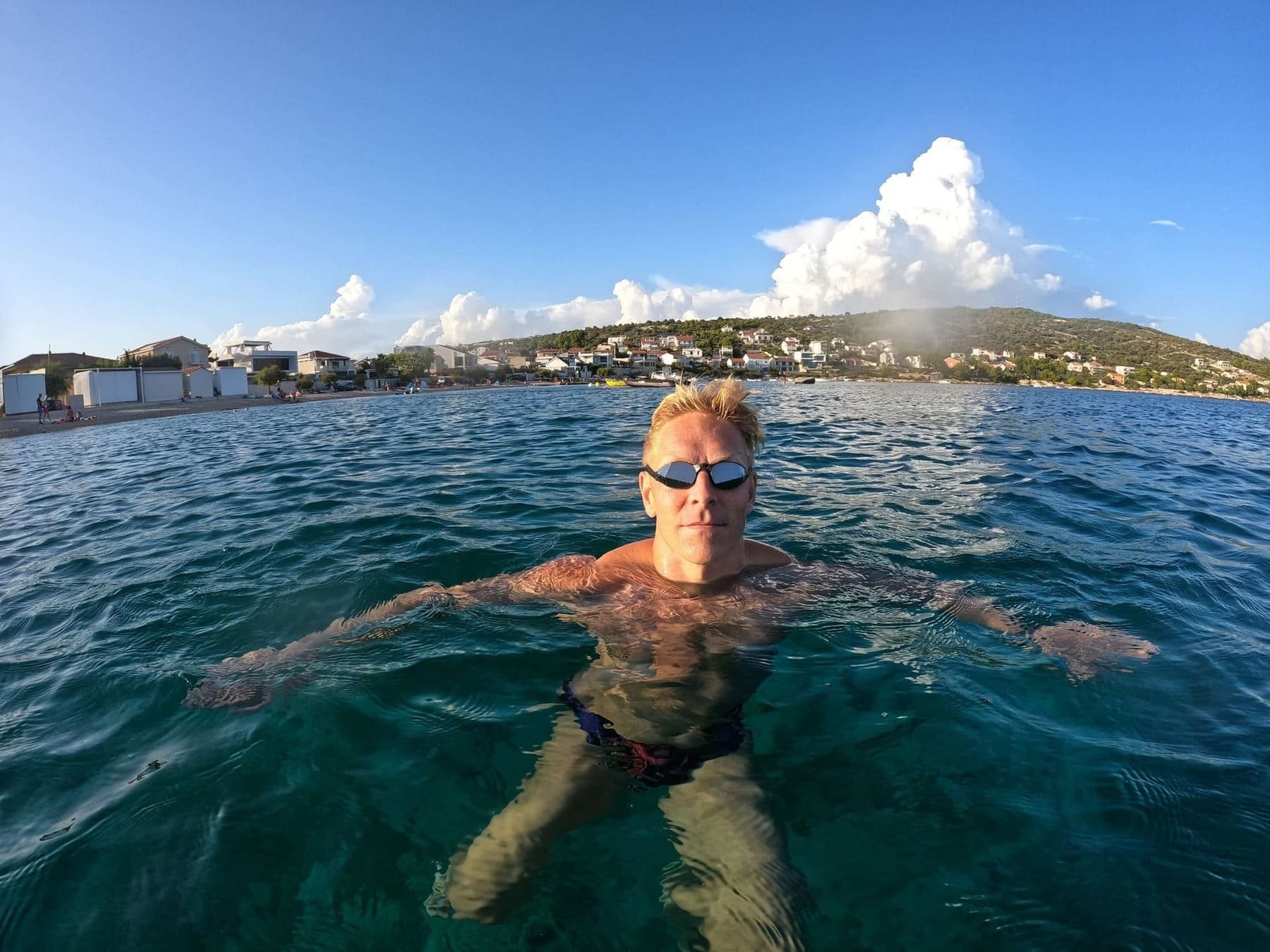
Dan Daly wearing dark mirrored swim goggles during open water swimming
Dark Mirrored Lenses
Block significant light
Best for outdoor pools, open water, midday sun
Reduce squinting and eye fatigue
Create a calm, focused visual field for racing
This is what most people think of when they hear “mirrored goggles,” but it’s only one option.
| Condition | Best Choice | Why |
|---|---|---|
| Indoor pool, dim lighting | Clear or light tint | Maximum visibility |
| Indoor pool, bright lighting | Light mirrored | Reduces glare without darkness |
| Outdoor pool, sunny | Dark mirrored | Controls glare + brightness |
| Cloudy or early morning | Light smoke / light mirrored | Balanced light |
| Open water | Dark mirrored or polarized | Handles surface reflection |
Why Competitive Swimmers Love Mirrored Goggles
Watch any championship meet and you’ll see mirrored lenses everywhere. Not because of style—because of focus.
They help by:
Reducing visual noise
Limiting glare from lights
Keeping facial muscles relaxed
Creating a “tunnel vision” effect before racing
Giving privacy
Small details matter when performance is the goal.
Coach-Approved Mirrored Goggles (Light and Dark Options)
TheMagic5
Custom-fit, leak-free, excellent glare control
Best for: Competitive swimmers, pool, open water, triathlon
Speedo Vanquisher 2.0 Mirrored
In-goggle display with real-time swim training and racing metrics and feedback
Best for: training, triathlon
Aqua Sphere
shop on amazon: https://amzn.to/4sRaQdl
Large format, panoramic vision
Best for: open water, triathlon, and marathon swimming
Pro Tips to Keep Mirrored Goggles Clear and Fog-Free
Rinse with fresh water after every swim
Never touch the inside lens
Store in a ventilated case, not a wet bag
Final Verdict: What Should You Actually Buy?
Instead of asking: “Should I get mirrored or clear goggles?”
Ask: “How much light will I be swimming in?”
Then choose:
Lens darkness for brightness control
Mirror coating for glare reduction
For most swimmers, the ideal setup is:
One light or light-mirrored pair for indoor training
One dark or dark-mirrored pair for outdoor or race days
That way, no matter the conditions, your vision stays calm, clear, and confident.