

Why Swimmers Don't Resistance Train: The Biggest Barriers—and How to Overcome Them
/
Most swimmers know that strength training can be beneficial. It can improve strength and power, develop physical qualities that support better swimming, and provide a training stimulus that swimming alone can't fully replicate.
Yet plenty of swimmers still don't do it.
The reasons aren't necessarily a lack of knowledge or motivation. For many swimmers, the barriers are much more practical: limited time, soreness that interferes with swimming, uncertainty about what to do, fear of injury, or simply the fact that they'd rather spend their available training time in the pool.
Those are legitimate concerns.
The goal shouldn't be to turn swimmers into weightlifters. The goal is to determine how much resistance training will actually improve your swimming, health, and durability—and find the smallest effective dose that fits alongside the sport you actually care about.
Here are some of the most common reasons swimmers avoid strength training, and how I think about each one.
1. “I’d Rather Spend That Time Swimming”
This may be the most understandable objection.
If you love swimming and have five hours per week available to train, why take an hour away from the pool to go to the gym?
Swimming is the most specific way to improve at swimming. If you want to become a better swimmer, you need to swim.
But specificity doesn't mean every available training minute should be spent doing the exact activity you're preparing for.
Strength training gives us opportunities to develop physical qualities that are difficult to adequately overload in the water. We can progressively increase force demands, strengthen specific movements and tissues, improve maximal strength and power, and address weaknesses that swimming's highly repetitive movement patterns may not.
The question isn't:
“Is lifting more specific to swimming than swimming?”
Obviously not.
A better question is:
“Will allocating a small percentage of my training time to developing strength and power make the rest of my swimming more productive?”
For many competitive swimmers, masters swimmers, triathletes, and open-water athletes, the answer is yes.
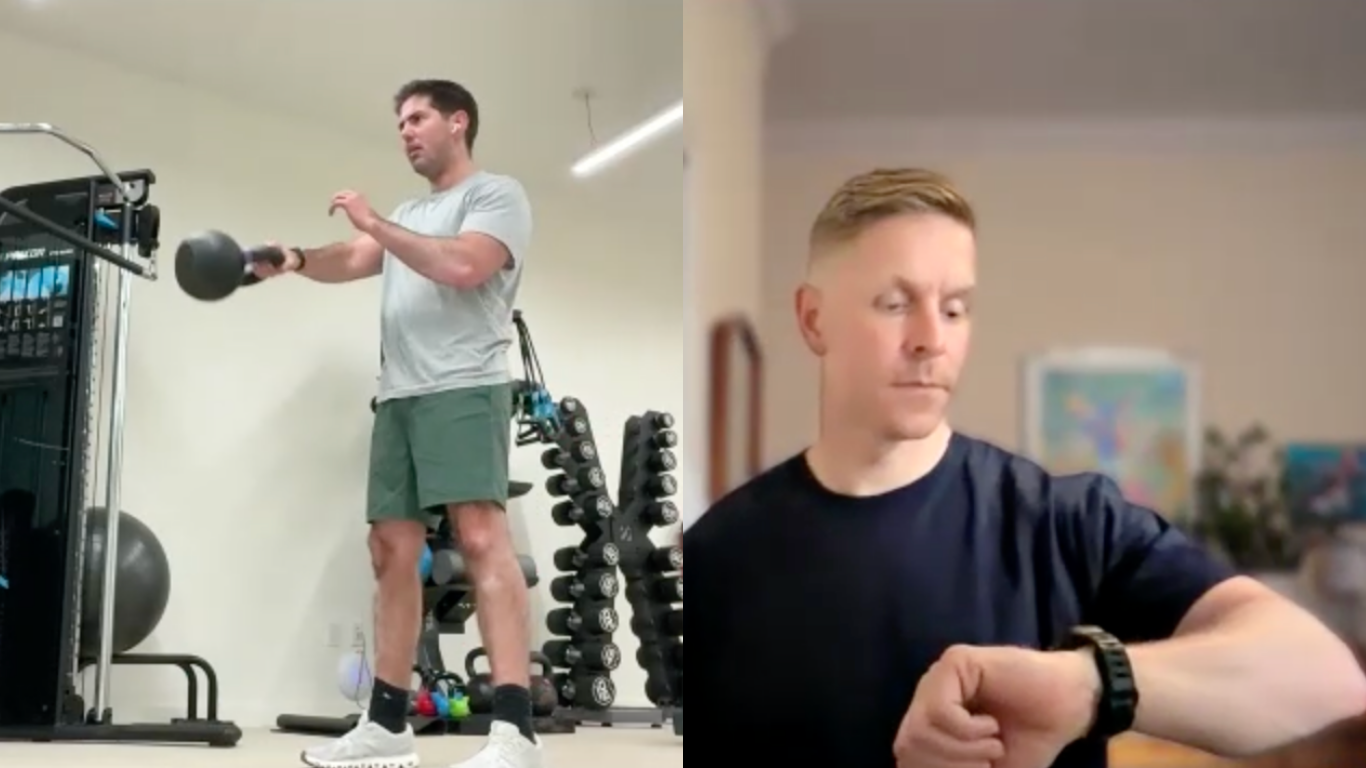
Click HEre for a 5:00 Kettlebell PRotocol Thank Increase Power and Vo2max
2. “I Don’t Have Time”
This came up repeatedly when I recently asked swimmers about their barriers to resistance training.
Work, family, commuting and other responsibilities already compete with swimming for limited training time. Adding two or three more hour-long workouts can sound unrealistic.
Fortunately, you probably don't need to.
Resistance training follows a dose-response relationship. More isn't automatically better, particularly when strength training is supporting another primary sport.
A swimmer isn't training to maximize their powerlifting total or bodybuilding results. The gym is supplemental training.
Depending on your experience, goals and swimming volume, one or two well-designed strength sessions per week can be useful. Those sessions don't necessarily need to take an hour, either.
A handful of well-selected exercises performed consistently can accomplish far more than a complicated “swimmer dryland” routine containing 15 exercises that you eventually stop doing.
Don't start by asking how much training you could possibly fit into your schedule.
Ask:
What's the minimum effective dose that moves me toward my goals?
3. “I Just Don’t Like Lifting”
This one deserves more respect than it usually gets.
Some swimmers simply don't enjoy the gym.
They enjoy moving through the water. They like the rhythm, solitude, competition, community or cardiovascular challenge of swimming. Lifting weights doesn't provide the same experience.
And if you're swimming recreationally because it makes you happy, you don't need to optimize every minute of your exercise routine for performance.
But if you have performance goals, your favorite form of training isn't necessarily the only form of training worth doing.
The solution also doesn't have to be falling in love with the weight room.
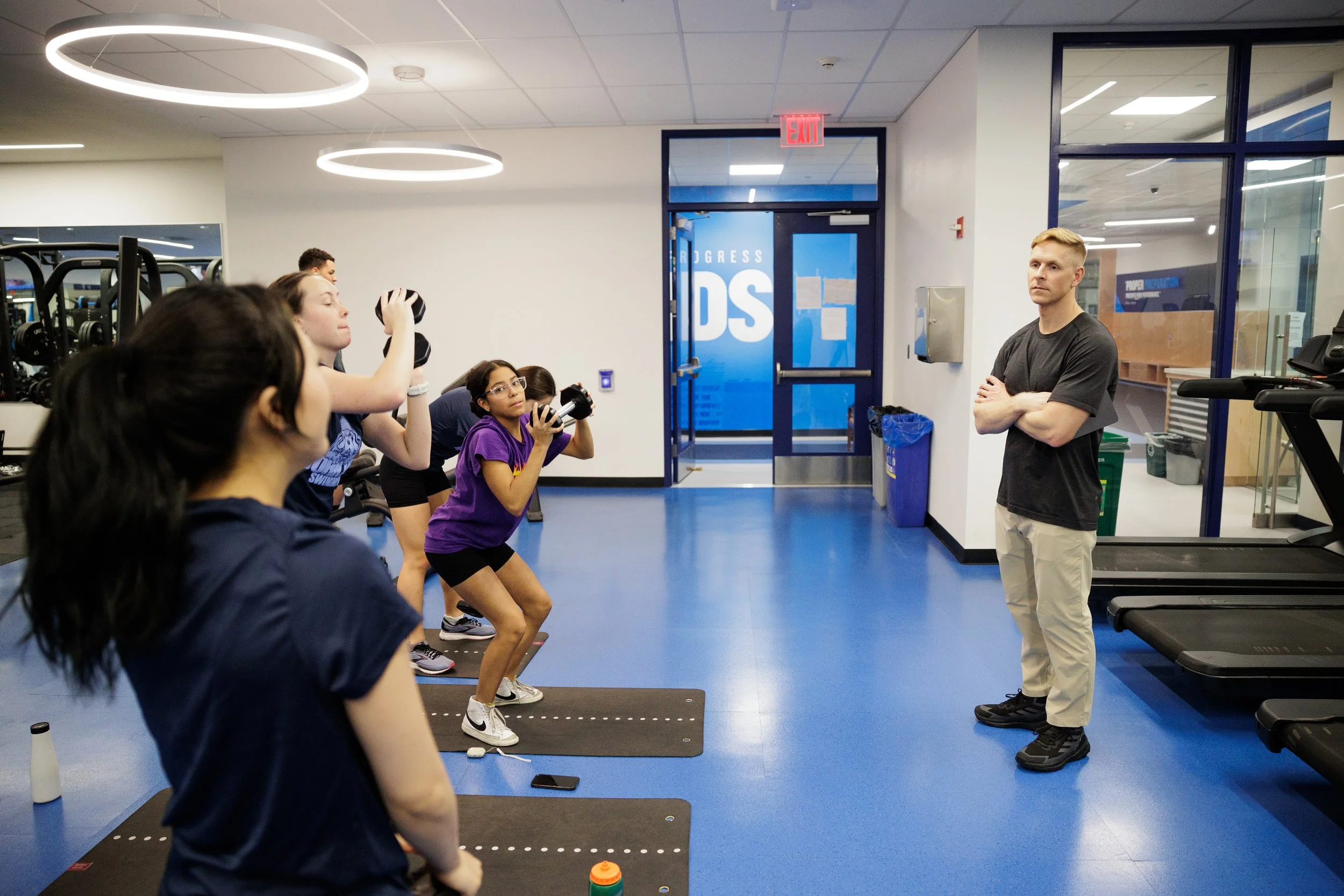
You can make strength training more tolerable by doing workout at home, keeping sessions concise, choosing exercises you enjoy, minimizing unnecessary accessory work and having a clear reason for everything in your program.
You don't need to become a “gym person.”
You need a program you're willing to perform consistently.
4. “Strength Training Makes Me Too Sore to Swim”
This is one of the most important objections because it can be completely legitimate.
If every strength workout leaves your legs heavy and shoulders sore for the next two days, your swimming may suffer.
But that doesn't necessarily mean strength training and swimming are incompatible.
It may mean your strength training dose is inappropriate.
Excessive volume, constantly training to failure, introducing too many unfamiliar exercises at once, poor exercise selection, or placing demanding strength sessions at the wrong points in your swimming week can all create unnecessary fatigue.
Strength training for swimmers should be programmed around swimming—not treated as an entirely separate sport.
The goal isn't to win Tuesday's workout and then struggle through Wednesday's swim.
Over time, you should also adapt to your resistance training. A consistent, progressively loaded program generally produces far less disruptive soreness than sporadic workouts where every session feels new.
If lifting consistently ruins your swimming, don't immediately conclude that swimmers shouldn't lift.
First examine the program.
5. “I’m Worried About Getting Injured”
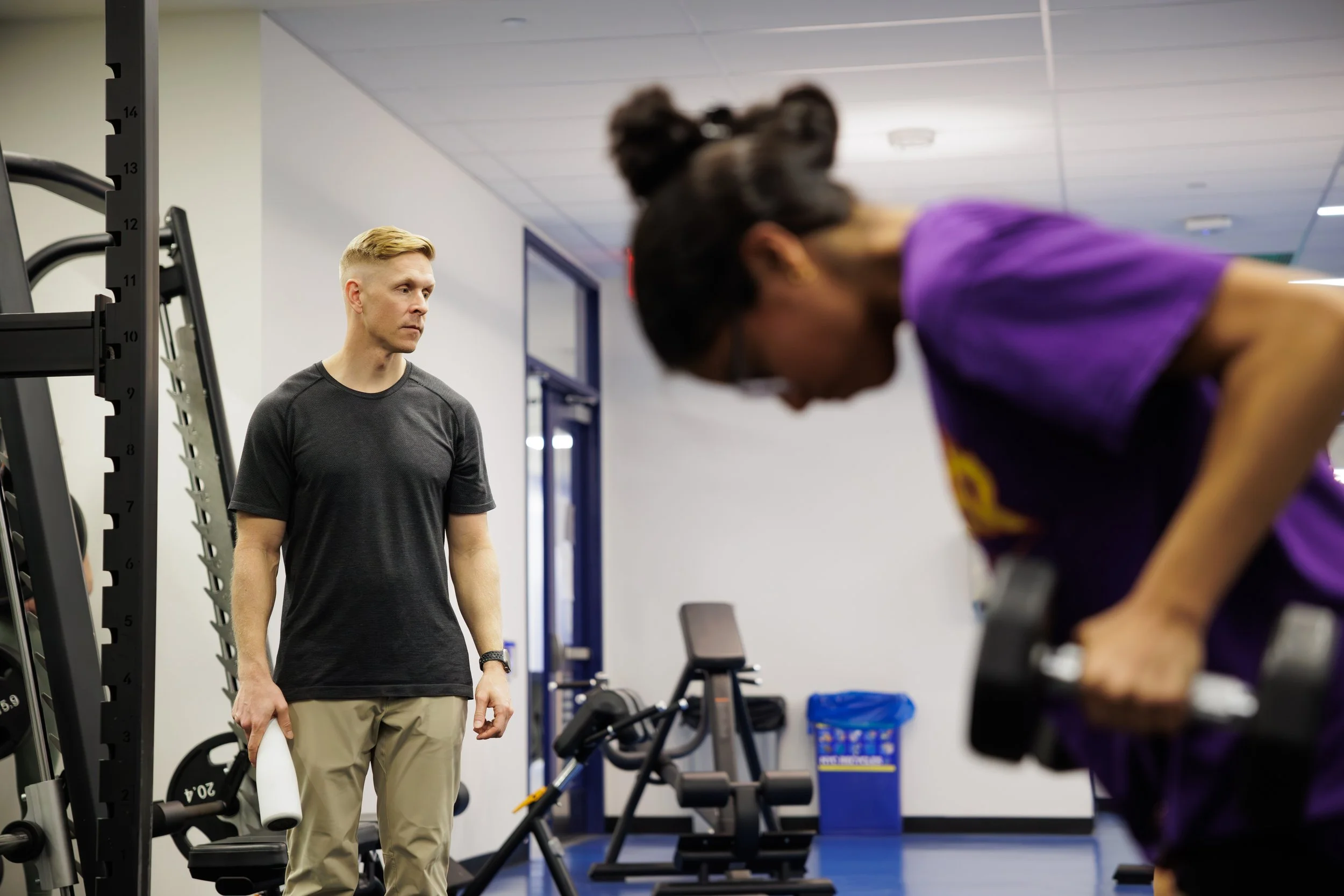
Swimming is often viewed as relatively safe because it's low impact, while barbells and dumbbells can appear inherently risky.
But avoiding resistance training doesn't eliminate injury risk.
Training is about appropriately exposing the body to stress so it can adapt.
Good resistance training progressively develops your capacity to tolerate and produce force. Exercise selection should match your current mobility, strength, skill and training history, and load should progress as your capacity improves.
That doesn't mean every swimmer needs to back squat, deadlift or perform Olympic lifts.
There are many ways to develop strength.
The appropriate exercise is the one you can perform effectively and progressively within your individual abilities.
Poorly designed resistance training can certainly cause problems.
So can poorly designed swim training.
The solution in either case is better programming—not avoiding training altogether.
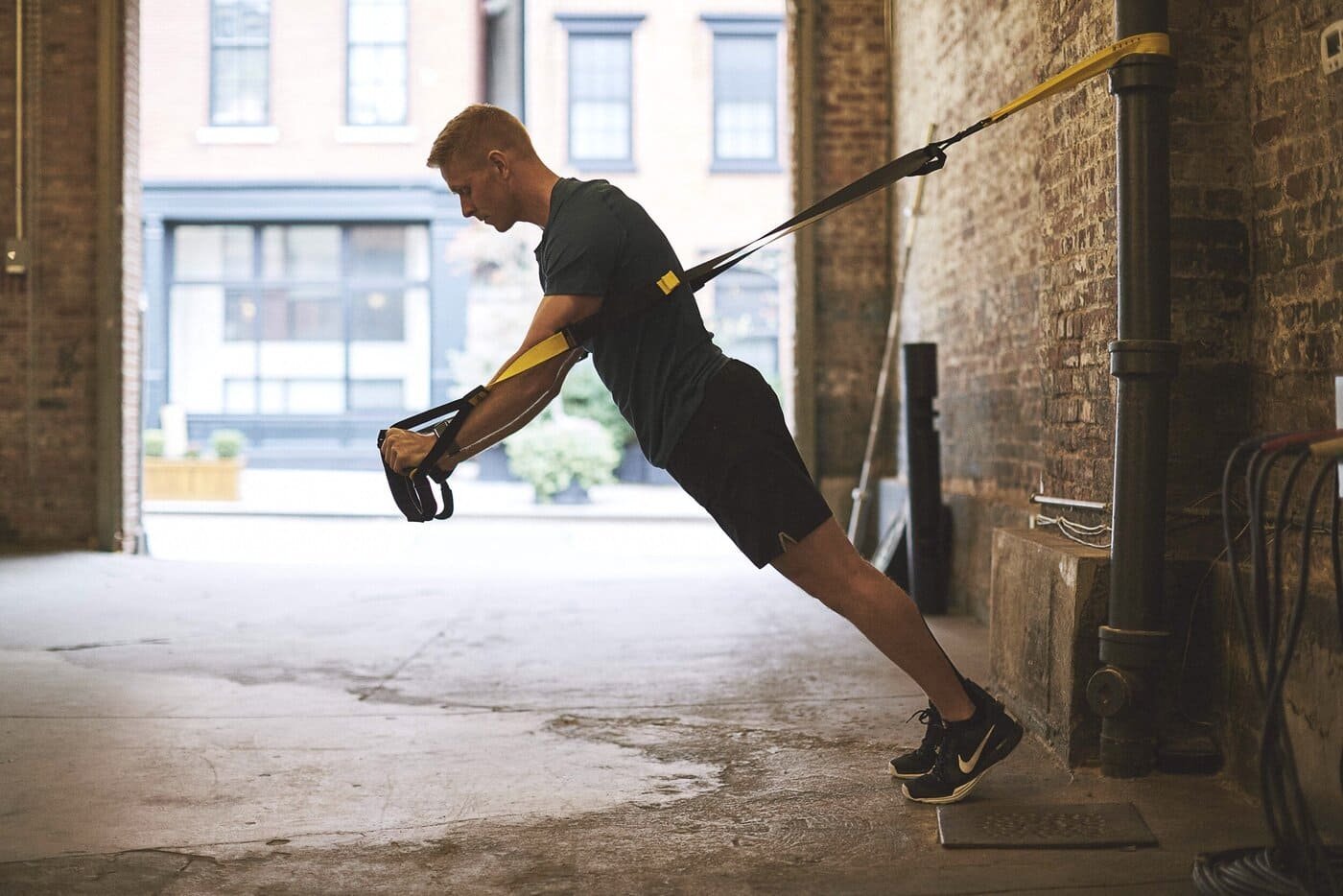
Check out these Programs you can do from anywhere with a variety of different equipment and bodyweight
6. “I Don’t Know What to Do”
The fitness industry hasn't made this easy for swimmers.
Search for “dryland exercises for swimmers” and you'll find endless bands, unstable surfaces, complicated circuits and exercises designed to look as much like a swimming stroke as possible.
Strength training doesn't need to look like swimming to improve swimming.
In fact, that's largely the point.
You already swim.
Your resistance training can focus on developing general physical qualities through fundamental movement patterns: pushing, pulling, squatting, hinging, carrying, bracing, jumping and throwing.
From there, exercise selection and training variables can be individualized according to your goals, experience, mobility, injury history, available equipment and swimming demands.
A good program should answer three simple questions:
What am I doing? Why am I doing it? How am I progressing it?
If your program can't answer those questions, adding more “swimmer-specific” exercises probably isn't the solution.
7. “Won’t Lifting Make Me Bulky?”
This concern has followed swimmers for decades.
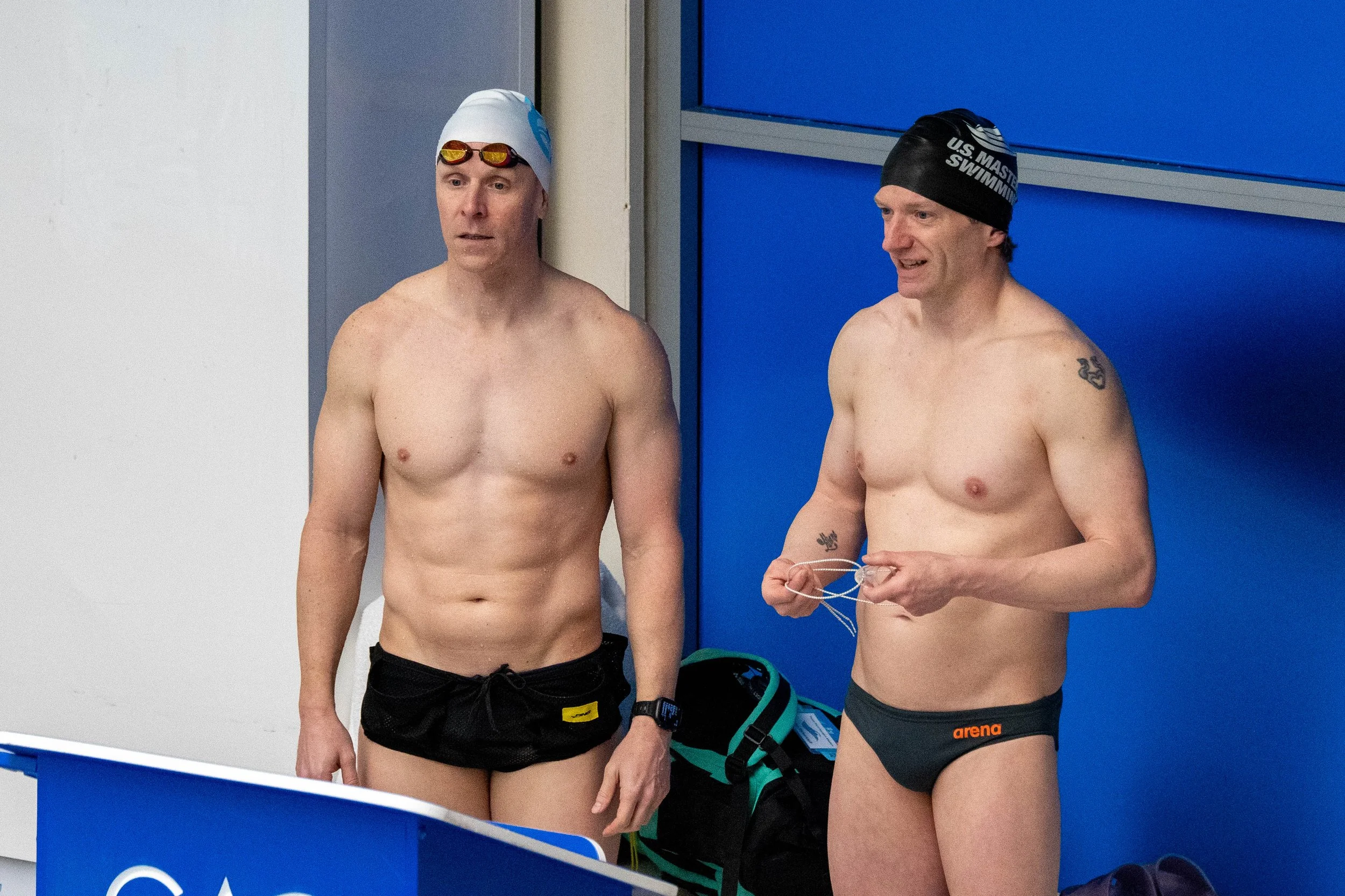
Building substantial muscle mass isn't something that happens accidentally because you started resistance training twice per week.
Hypertrophy is influenced by training volume, nutrition, genetics, training history and numerous other factors.
Strength and muscle size are also related but aren't interchangeable.
A resistance program can emphasize strength and power development without maximizing hypertrophy. For swimmers, we should also consider strength relative to body mass rather than simply trying to become as large or strong as possible.
The objective isn't maximum muscle.
It's developing enough strength, power and physical capacity to support your swimming.
8. “I’m an Endurance Swimmer. Why Would I Lift Heavy?”
This is where specificity is frequently misunderstood.
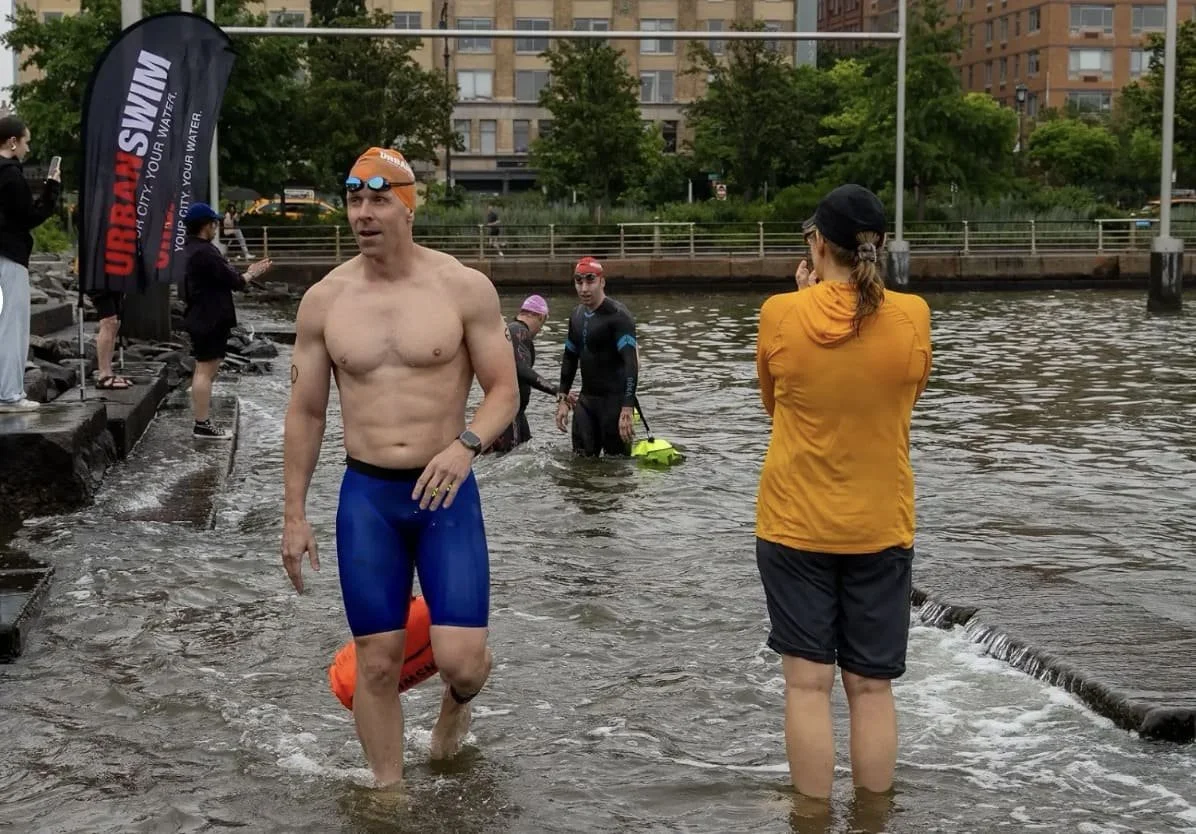
If you're training for a 1500-meter freestyle, 5K open-water swim or Ironman, your event involves thousands of repeated contractions.
That doesn't mean your strength training needs to involve thousands more.
Your swimming already provides an enormous amount of muscular endurance training.
The gym can provide something different.
Higher-load resistance training can develop maximal strength and force-producing capacity. Power training can develop the ability to produce force quickly. Those adaptations don't require the gym workout to replicate the duration of your race.
Trying to make every exercise look and feel like swimming often just gives you more of what you're already getting in the pool.
Your strength training doesn't need to look like your sport to support your sport.
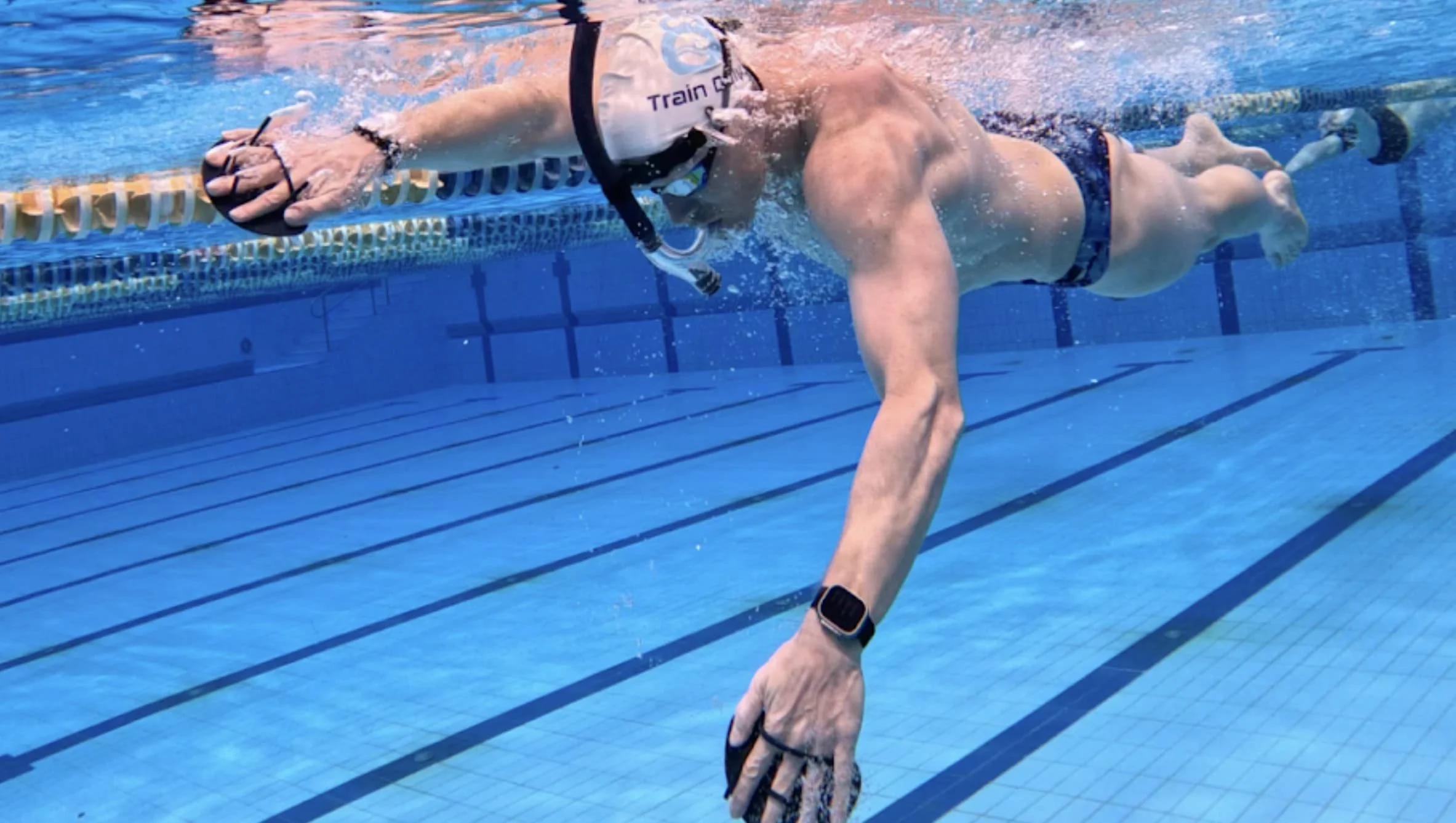
9. “Don’t Paddles and Fins Count as Resistance Training?”
Paddles, fins, parachutes, cords and other forms of resisted swimming can absolutely increase resistance in the water.
They're useful tools.
But resisted swimming and land-based resistance training aren't interchangeable.
Paddles still constrain you to the movements, velocities and positions available during swimming. A progressively loaded strength program allows us to manipulate resistance across a much wider range of movements and loads.
Think of them as complementary tools rather than competing ones.
Resisted swimming can help develop the application of force within the swimming movement.
Strength training can increase the physical capacity you're bringing to that movement.
You don't necessarily have to choose between them.
10. “I’m Not Trying to Be a Competitive Swimmer”
Then your answer may be different.
Not every person who swims needs a performance-focused dryland program.
If you swim three times per week because you love swimming, aren't particularly interested in getting faster and don't want another sport competing for your free time, that's a perfectly reasonable decision.
There are still compelling general health reasons for adults to perform some form of resistance training, including maintaining muscle, strength and bone health as we age.
But that's a broader health conversation, not an argument that everyone who enters a swimming pool needs a specialized dryland program.
Training should reflect your goals.
Strength Training Should Support Your Swimming, Not Compete With It
The biggest mistake may be thinking about swimming and resistance training as two competing activities.
For swimmers, strength training is supplemental.
That changes how we should approach it.
You don't need to spend five days per week in the gym. You don't need to destroy yourself every workout. You don't need dozens of “swimmer-specific” exercises. And you don't need to become someone who loves lifting weights.
You need enough resistance training to develop physical qualities that support what you're trying to accomplish in the water.
For one swimmer, that might mean two structured strength sessions per week.
For another, it might mean one abbreviated session during a period of high swimming volume.
For a competitive athlete, the emphasis may shift throughout the season as swimming volume, intensity and competition priorities change.
The right amount isn't the maximum amount you can tolerate.
It's the amount that produces a useful adaptation without unnecessarily interfering with your swimming.
The goal isn't to make swimmers better at the gym.
It's to use the gym to help them become better swimmers.

Learn More About Virtual dryland coaching for swimmers
Ready to Add Strength Training to Your Swimming?
Strength training doesn't need to take over your schedule or leave you too sore to swim. The right program should complement your time in the pool, match your goals and experience, and give you a clear plan for what to do and how to progress.
I offer customized swim and dryland programming, as well as a monthly dryland training subscription for swimmers looking for structured, progressive strength training they can follow on their own.
Whether you're preparing for a swim meet, open-water event or triathlon—or simply want to become a stronger, more resilient swimmer—I can help you find the right amount of training to support your goals.