

10 Open Water Swimming Tips: Do's and Don'ts
/Open water swimming has a way of exposing weaknesses that never show up in the pool.
I've coached strong pool swimmers who struggled in their first open water race despite being in excellent shape. They had the fitness, but they lacked the skills needed to handle crowds, sight effectively, manage nerves, and adapt to changing conditions.
The good news is that open water success isn't just about swimming harder. It's about swimming smarter. Whether you're preparing for your first open water event or looking to improve your next race, these simple do's and don'ts can help you perform at your best.
Why Open Water Swimming Is Different
In a pool, everything is predictable. You have lane lines, walls, clear markings, and controlled conditions.
Open water is different.
You may deal with waves, current, wind, changing temperatures, limited visibility, and dozens of swimmers fighting for the same piece of water. That's why open water swimming requires more than fitness alone. The swimmers who consistently perform well are usually the ones who make the best decisions throughout the race.
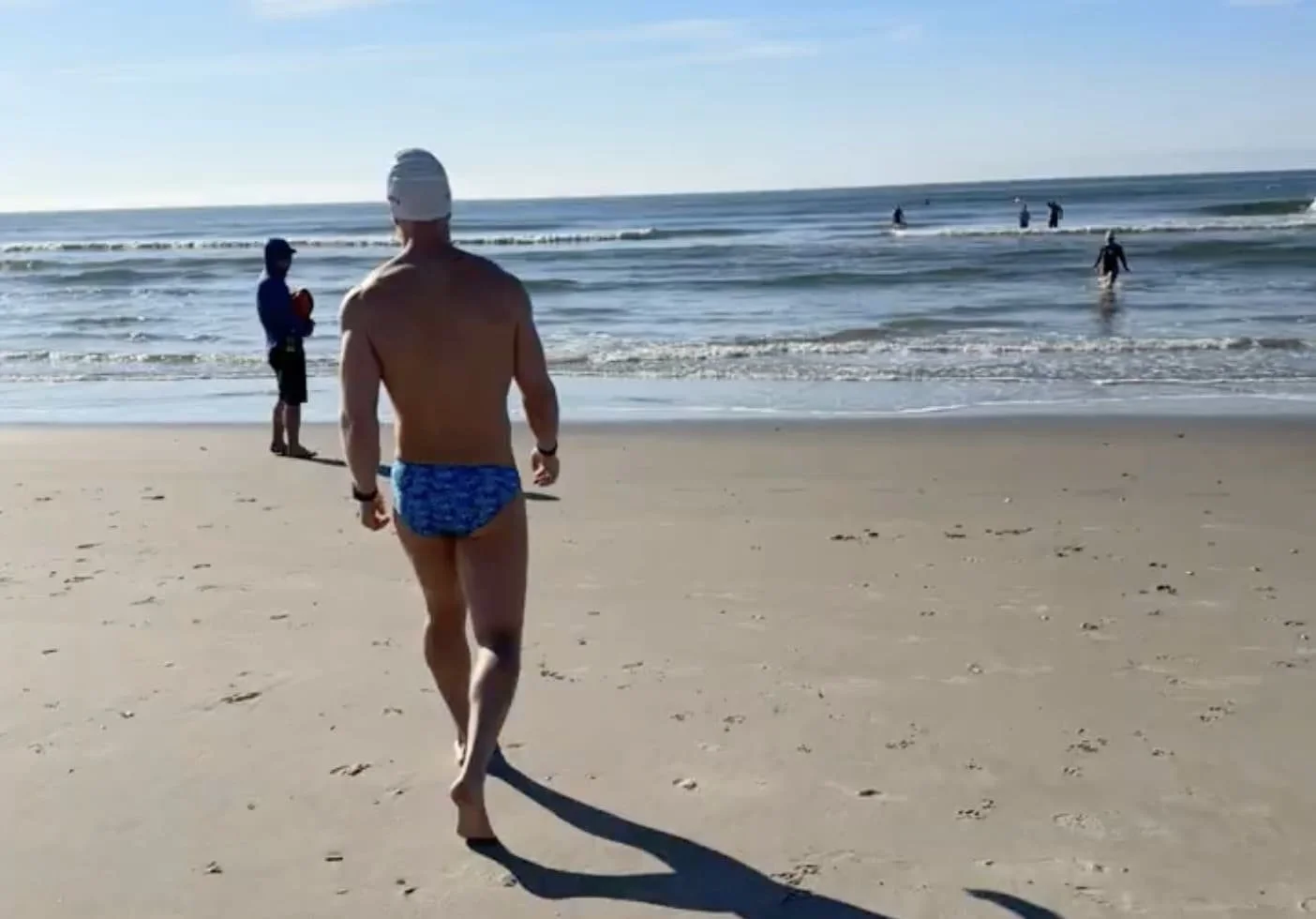
5 Open Water Swimming DOs
1. Start Easy
One of the biggest mistakes I see is swimmers treating the first 200 yards like a sprint. While the start can be chaotic, going out too hard usually leads to fatigue later in the race. Instead, use the first two or three minutes to settle into your rhythm, control your breathing, and find a sustainable pace. A controlled start almost always leads to a stronger finish.
2. Sight Efficiently
Swimming in a straight line is just as important as swimming fast. Many swimmers lose time by lifting their head too high or sighting too often, which creates drag and disrupts body position. Practice quick, efficient sighting in training so you can locate your target while maintaining your rhythm and momentum.
3. Swim Your Own Race
It's easy to get caught chasing another swimmer, especially when the pace picks up early. Resist the temptation to abandon your race plan. Trust your training, stay patient, and swim the pace you know you can maintain. You'll often finish stronger than swimmers who went out too fast.
4. Stay Relaxed
Tension is the enemy of efficient swimming. When you become anxious, your stroke shortens, your breathing becomes rushed, and you waste energy fighting the water. Stay calm, focus on smooth strokes and controlled breathing, and let your technique do the work.
5. Practice Race Skills Before Race Day
Fitness alone won't prepare you for open water racing. Make time to practice sighting, drafting, buoy turns, crowded starts, and navigation during training. The more comfortable these skills become, the more confident and efficient you'll be on race day.
5 Open Water Swimming DON'Ts
1. Don't Sprint the Start
Unless you're racing at an elite level, the race isn't won in the first minute—but it can certainly be lost there. It's natural to want good position early, but sprinting the start often leads to unnecessary fatigue and poor pacing for the rest of the swim. Focus on finding clear water, settle into your planned race effort, and trust that a controlled start will leave you with more energy when it matters most.
2. Don't Lift Your Entire Head to Sight
One of the most common technical mistakes in open water is lifting your entire head to sight. This causes your hips to drop, increases drag, and interrupts your stroke rhythm. Instead, keep the movement small by lifting only your eyes above the surface before returning immediately to your normal stroke. Efficient sighting helps you stay on course without sacrificing speed or body position.
3. Don't Panic After Mistakes
Every open water race comes with unexpected challenges. You might miss a buoy, lose your draft, swallow water, or get bumped by another swimmer. The important thing is not letting a small mistake turn into a bigger one. Stay calm, take a breath, reset your focus, and keep swimming. The athletes who recover quickly are often the ones who finish with the best results.
4. Don't Fight the Water
Open water conditions are constantly changing, and trying to overpower waves, current, or wind only wastes valuable energy. Instead, learn to adapt your stroke, breathing pattern, and pacing to match the conditions. The swimmers who perform best aren't always the strongest—they're the ones who stay relaxed, adjust quickly, and work with the water instead of against it.
5. Don't Assume Pool Fitness Equals Open Water Fitness
This lesson surprises many swimmers. You can be incredibly fit in the pool and still struggle in open water.
Why?
Because open water demands skills that simply aren't required in a pool:
Navigation
Positioning
Drafting
Race awareness
Adapting to changing conditions
Fitness matters, but open water swimming is as much a skill sport as it is an endurance sport. The differences become even more apparent as race distances increase. In marathon swimming, success depends on far more than physical fitness alone. Navigation, feeding strategy, pacing, mental resilience, and the ability to adapt to changing conditions all play a major role in performance.
I experienced this firsthand during my swim around Manhattan Island. While fitness provided the foundation, race execution and decision-making were just as important throughout the 28.5-mile journey. If you're interested in longer open water challenges, be sure to read my article, "Reflections After Swimming Around Manhattan," where I share the lessons I learned from one of the most demanding swims of my career.
Bonus Tip: Take Advantage of Drafting
One skill that can make a significant difference in open water swimming is drafting. By positioning yourself behind or slightly off the hip of another swimmer, you can reduce drag and conserve energy while maintaining your pace. Over the years, I've watched swimmers gain a real competitive advantage simply by improving their drafting skills. Like sighting and buoy turns, drafting is something that should be practiced during training, not figured out on race day.
Quick Race Day Checklist
Before your next race, make sure you:
Test your goggles beforehand
Review the course map
Identify sighting landmarks
Establish a pacing plan
Stay calm during the opening minutes
Trust your training
A Common Open Water Racing Lesson
Have you ever finished an open water race feeling completely exhausted, only to realize a few minutes later that you probably had more left in the tank?
I've experienced it myself, and I've heard the same thing from countless swimmers over the years.
During the race, your body is constantly processing fatigue, discomfort, and uncertainty. Every effort feels harder in the moment. But once you cross the finish line and recover for a few minutes, your perspective changes. Suddenly, you start thinking, "Maybe I could have pushed a little more."
That's why pacing is such an important skill in open water swimming. The goal isn't to finish with plenty of energy left over, but it's also not to leave your best swim in reserve. Experience teaches you where that line is.
Each race gives you valuable feedback. The more you race, the better you'll become at recognizing what true race effort feels like and when it's time to be more aggressive.
Final Thoughts
Open water swimming rewards much more than fitness. It rewards preparation, smart decisions, and the ability to stay calm when conditions become unpredictable. The swimmers who consistently perform well aren't always the strongest—they're the ones who execute the fundamentals under pressure.
As I often tell athletes, excellence lives in the fundamentals. Practice these skills in training, trust your race plan, and treat every open water swim as an opportunity to learn. The more experience you gain, the more confident and efficient you'll become when it matters most on race day.
Ready to Improve Your Open Water Swimming?
Whether you're preparing for your first open water race or chasing a personal best, the right training can make all the difference. My coaching programs combine swim-specific fitness, race strategy, sighting, drafting, pacing, and open water skills to help you become a more confident and efficient swimmer.
Join me and train smarter for your next open water challenge.