Pull Buoy Swimming: How to Use It Correctly and Why It Matters

Pull Buoy Swimming: How to Use It Correctly and Why It Matters

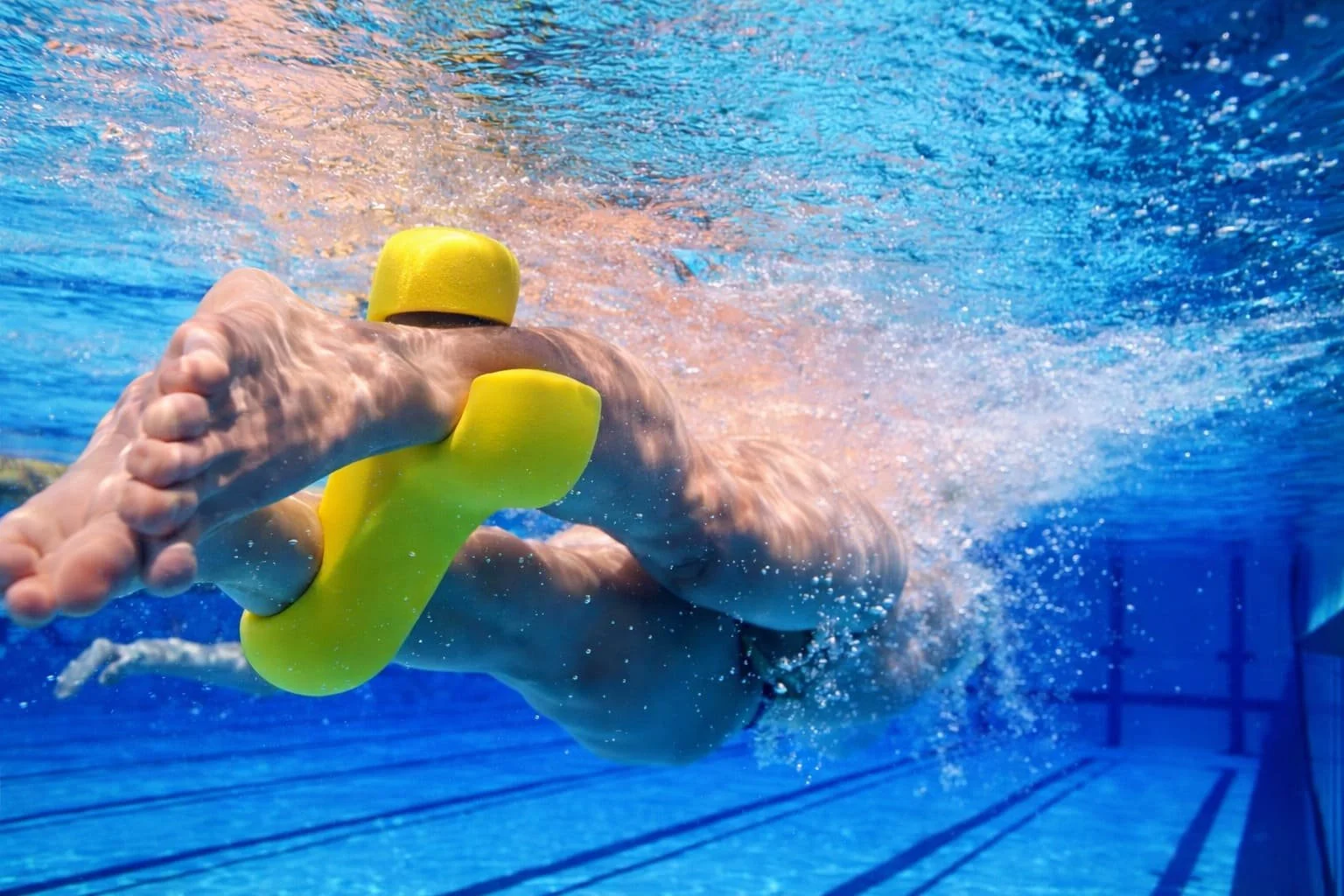
Pull buoy swimming is one of the most effective ways to improve body position, core connection, and upper-body technique in the pool. When used correctly, a pull buoy lifts the hips, reduces drag, and helps swimmers feel proper alignment without relying on the kick. That's why some swimmers go faster right away with a pull buoy. It shows their technical weaknesses instead of making them faster. This guide explains what a pull buoy is used for in swimming, how to use a pull buoy for swimming correctly, and when it helps or hurts performance. Used intentionally, a pull buoy becomes a powerful teaching tool—not a crutch.

Read More
Jack LaLanne the "Father of Fitness"

Jack LaLanne the "Father of Fitness"

Jack LaLanne was more than just a fitness legend—he was a pioneer who transformed how the world views exercise and nutrition. From opening the first modern gym to performing record-setting feats of strength at age 70 and staying active into his 90s, Jack LaLanne’s workout routine and diet were decades ahead of their time. Learn about his early life, iconic exercises, bench press records, and lasting legacy. Whether you’re curious how tall Jack LaLanne was or inspired by his unmatched discipline, this article brings his story to life.

Read More

Best Vitamins for Swimmers: What Competitive Swimmers Actually Need

Best Vitamins for Swimmers: What Competitive Swimmers Actually Need

Many competitive swimmers train hard, recover well, and still feel flat in the water. Stroke quality fades, fatigue lingers, and minor illnesses disrupt momentum. In many cases, the problem isn’t training effort — it’s a hidden vitamin gap. This guide breaks down the best vitamins for swimmers, why competitive swimmers have higher needs, and how proper vitamin support helps sustain energy, recovery, and long-term performance through demanding swim seasons.

Read More

Bodyweight Training for Swimmers: Dryland That Works

Bodyweight Training for Swimmers: Dryland That Works

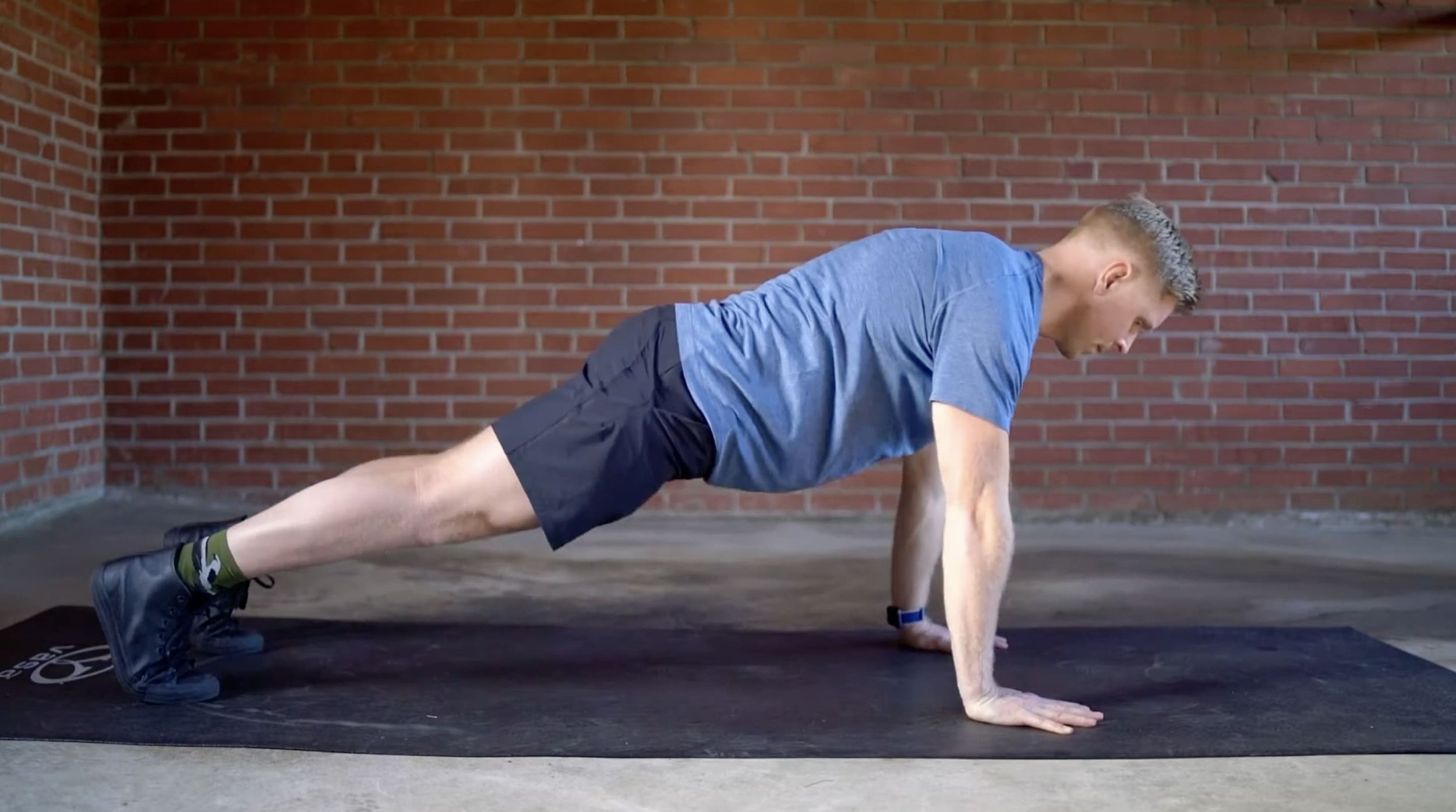
Swimmers don’t get faster by chasing fatigue on land. They get faster by learning how to organize force. This guide breaks down the theory behind bodyweight training for swimmers, explaining how dryland improves coordination, shoulder stability, and lower-body power — and why bodyweight work often transfers better than traditional strength training.

Read More

How to Swim Butterfly Faster and Stop Burning Out After 25 Yards

How to Swim Butterfly Faster and Stop Burning Out After 25 Yards

Butterfly has a reputation for being brutal—and for a lot of swimmers, it earns it. You train hard, your kick feels strong, and the first 25 looks solid. Then everything falls apart. Breathing gets rushed, arms feel heavy, and speed disappears. The problem usually isn’t fitness or effort. It’s timing, rhythm, and how well your body works as a system. Once those pieces connect, butterfly stops feeling like punishment and starts feeling controlled, fast, and repeatable.

Read More

Freestyle Flip Turn Technique: How to Turn Faster Without Losing Speed

Freestyle Flip Turn Technique: How to Turn Faster Without Losing Speed

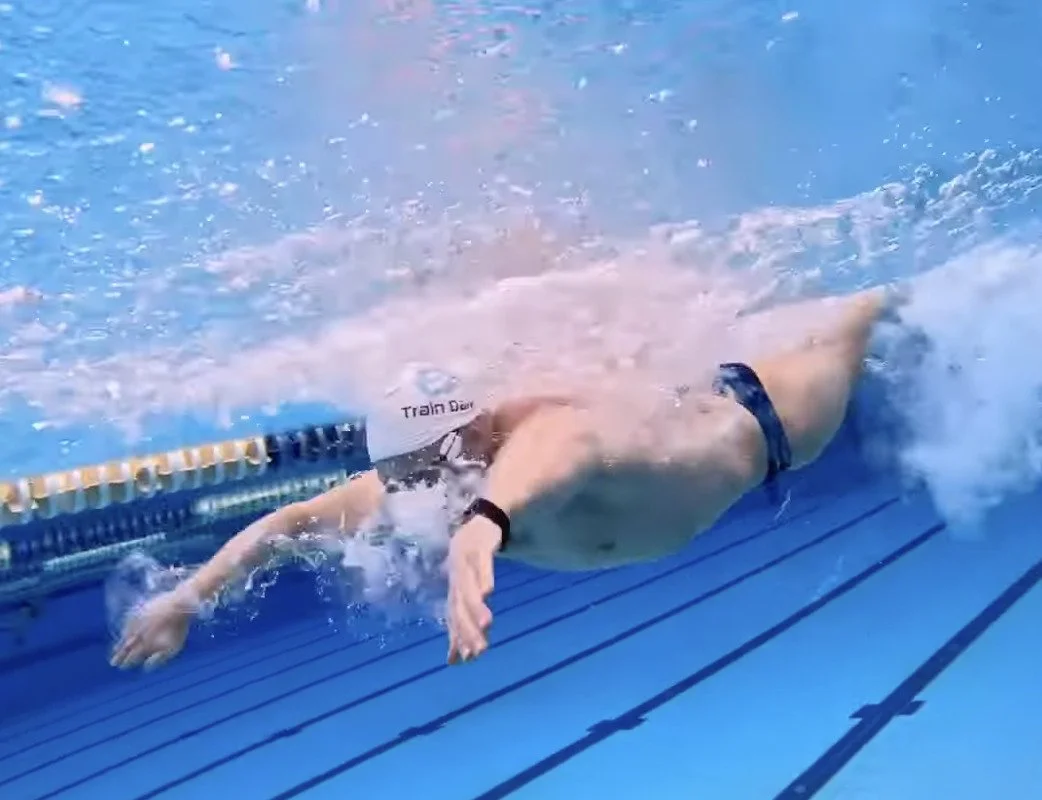
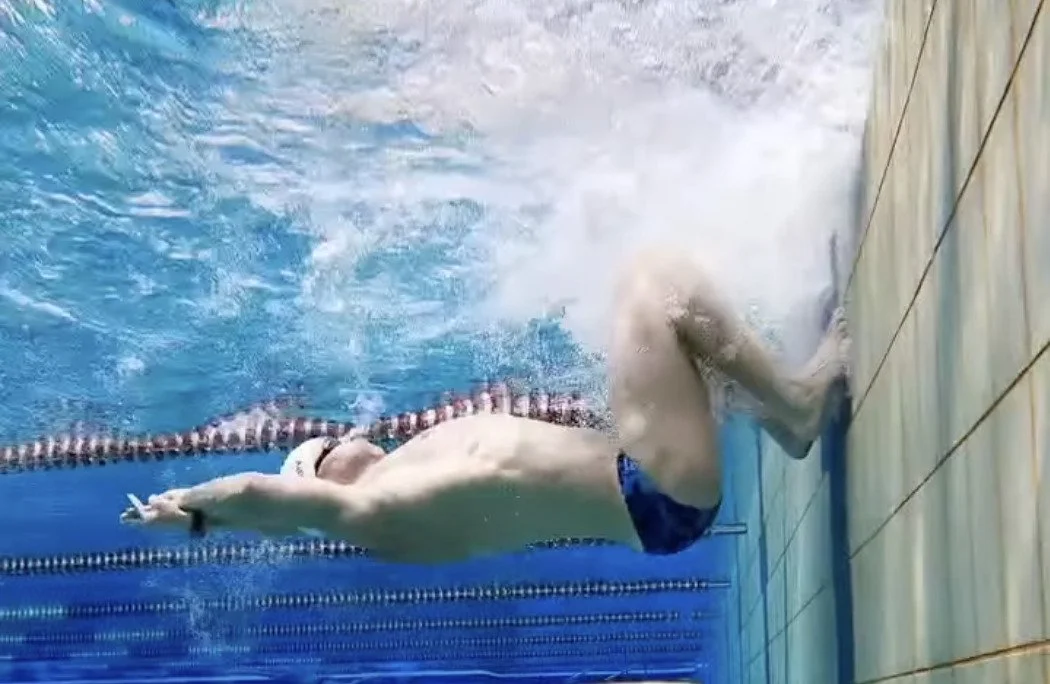
Flip turns are where races are won or quietly lost. Most swimmers focus on stroke technique and conditioning, but overlook the wall — the fastest place in the pool. A strong freestyle flip turn preserves momentum, creates speed, and keeps your swimming connected from wall to wall. In this guide, Coach Dan Daly breaks down flip turn technique step by step, covering approach, rotation, push-off, breathing, and drills that actually work — so you stop leaking speed and start turning faster.

Read More

Swim Workouts for Triathletes: Training Plans, Drills & Open Water Tips

Swim Workouts for Triathletes: Training Plans, Drills & Open Water Tips

Training for the swim leg of a triathlon? This guide covers everything from structured swim workouts for triathletes to real-world tips for open water success. You’ll learn how to train swimming for triathlon with drills, technique sets, and threshold workouts designed to build endurance and speed. With coaching insights and supporting video content, you’ll gain the confidence to tackle any swim triathlon event—from sprints to 70.3 distances. Whether you're a beginner learning to swim for triathlon or a seasoned athlete fine-tuning race pace, this coach-approved swim plan will help you get there.

Read More

Mirrored Swim Goggles: Light vs Dark Lenses for Indoor and Outdoor Swimming

Mirrored Swim Goggles: Light vs Dark Lenses for Indoor and Outdoor Swimming

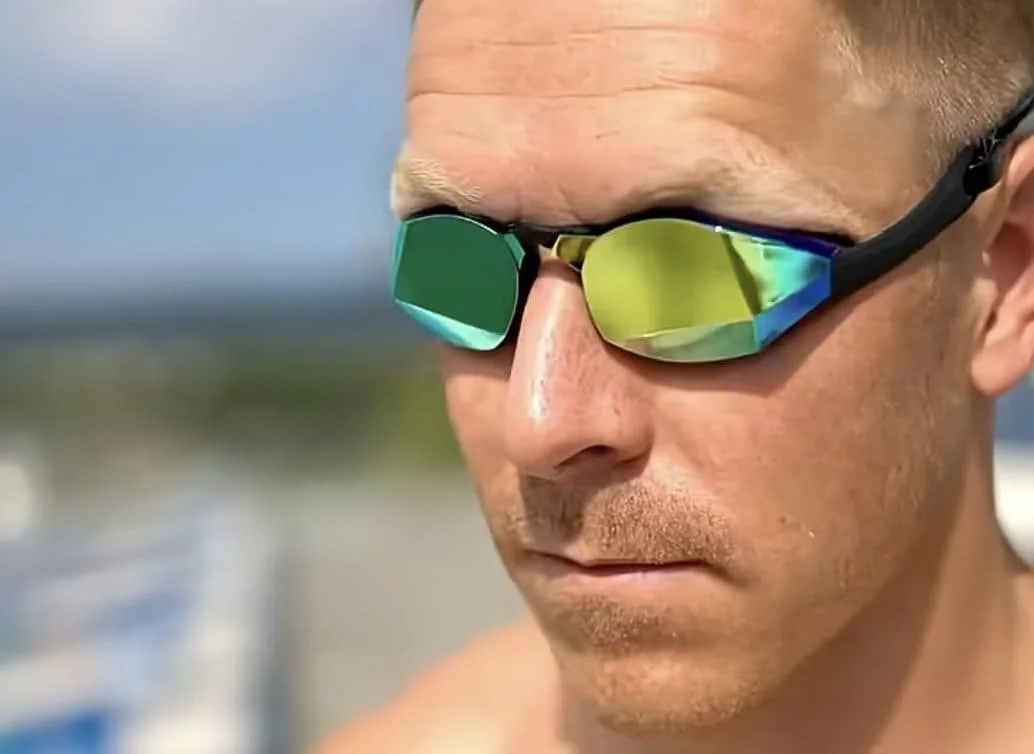
Mirrored swim goggles aren’t just about style or sunny days—they’re about visual control.
Many swimmers choose goggles based on whether they’re mirrored or clear, but the real difference comes down to lens darkness. Light mirrored lenses can be perfect for indoor pools with harsh lighting, while dark mirrored lenses shine outdoors under strong sun. Once you understand how tint and mirror coatings work together, choosing the right goggles becomes simple—and your eyes stay relaxed, focused, and race-ready in any environment.

Read More

How to Warm Up Before Swimming: The Best Pre-Swim Warm-Up Routine

How to Warm Up Before Swimming: The Best Pre-Swim Warm-Up Routine

Warming up properly is essential for peak performance and injury prevention, whether you’re an athlete or a casual exerciser. Unlike traditional warm-ups, which often rely on jogging and static stretching, dynamic warm-ups are designed to raise core temperature, activate the central nervous system, and prepare the muscles and joints through activity-specific movements. This approach increases heart rate, circulation, and flexibility while keeping you mentally engaged. Want to learn how to incorporate dynamic movements into your warm-up? -Read article.

Read More