The Role of a Strength and Conditioning Coach in Swimming

The Role of a Strength and Conditioning Coach in Swimming

A strength and conditioning coach plays a vital role in enhancing swimming performance by reducing injury, and improving mobility, endurance and power. For swimmers, tailored programs target key areas like shoulder mobility, core stability, strong pulls, and powerful starts. As a Certified Strength and Conditioning Specialist (CSCS), Dan Daly shares expert insights into how these programs are designed to meet the unique demands of swimming. Discover the transformative impact of strength and conditioning on swimmers of all levels and why is a game-changer for success in the water. Read more!

Read More
Overcoming Swimmer's Shoulder: My Journey to Overcome Shoulder Discomfort and Get Back to Sprint Swimming

Overcoming Swimmer's Shoulder: My Journey to Overcome Shoulder Discomfort and Get Back to Sprint Swimming

Dive into the personal journey of a 42-year-old competitive swimmer and strength coach battling persistent left shoulder discomfort. This post details the onset of the shoulder issue that hindered sprint freestyle performance and the various treatment strategies attempted. Discover insights from an enlightening session with Dr. Alex Ewart, a physical therapist and swimming specialist, leading to a tailored treatment plan. Explore the specific exercises and therapeutic approaches aimed at addressing shoulder pain, including targeted strength training, mobility work, and soft tissue therapy. Follow this swimmer's quest to regain peak performance and manage chronic discomfort, offering valuable lessons for athletes facing similar challenges.

Read More

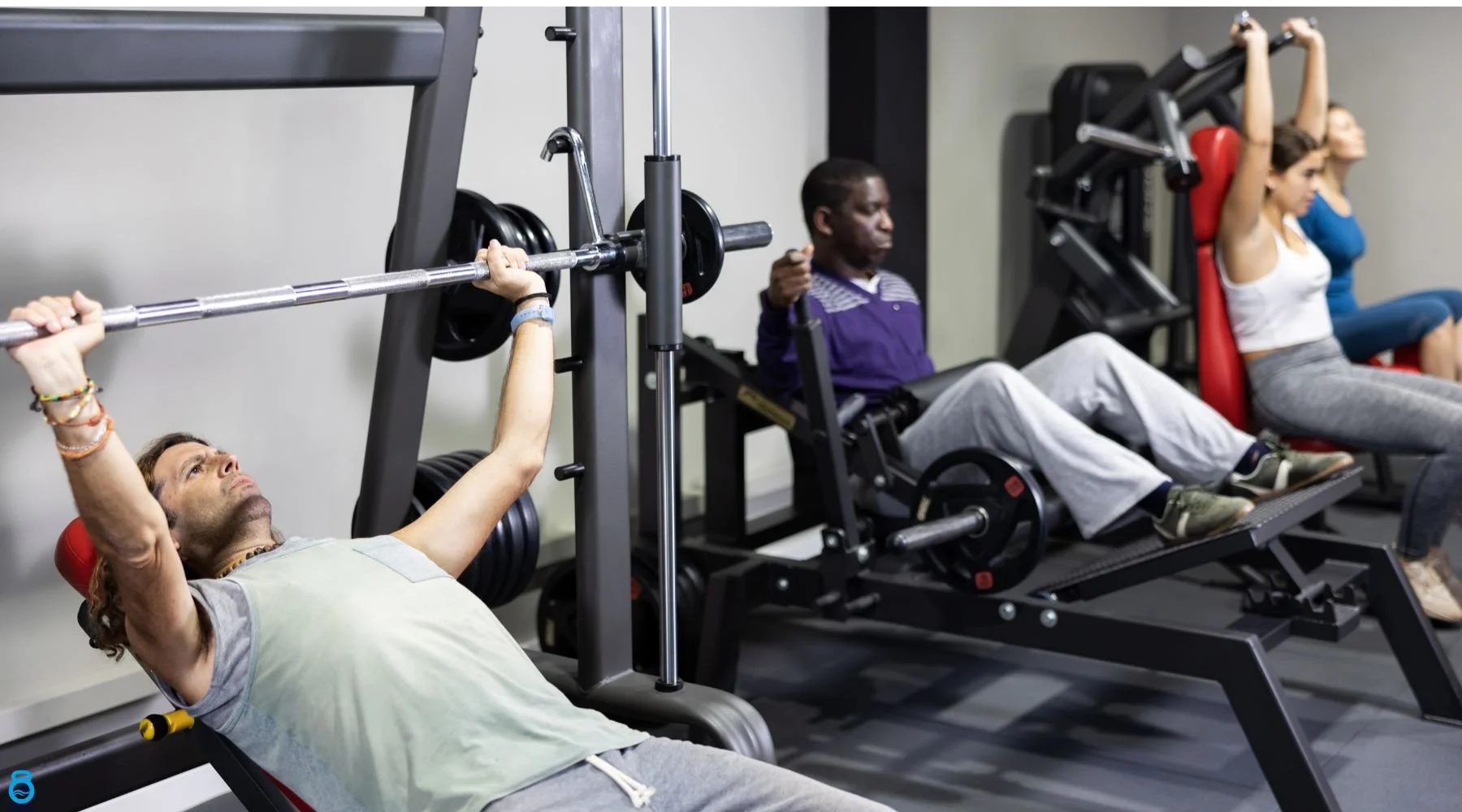
What Is a Smith Machine? Pros, Cons, and How to Use It Right

What Is a Smith Machine? Pros, Cons, and How to Use It Right

The Smith machine has its place—but only when used with purpose. In this article, I break down what the Smith machine is, its pros and cons, and how swimmers can use it strategically to build upper-body strength and shoulder stability. Plus, I’ll show you two simple bodyweight progressions—Inverted Rows and Elevated Push-Ups—that I’ve used with swimmers of all levels. If you want strength that transfers to the pool, start by training smart on land.

Read More

Unlocking Success in the Pool: The Benefits of Dryland Resistance Training for Youth Swimmers

Unlocking Success in the Pool: The Benefits of Dryland Resistance Training for Youth Swimmers

Dryland resistance training is a game-changer for young swimmers, offering benefits that go beyond the pool. By incorporating targeted dryland exercises for young swimmers, athletes can develop strength, improve core stability, enhance endurance, and reduce the risk of injuries. This type of training builds confidence, fosters mental toughness, and prepares swimmers for long-term athletic success. Supported by expert insights and research, dryland workouts complement swim training, translating gains on land into faster, more efficient strokes in the water. Unlock your swimmer’s full potential with a well-rounded approach to training. Read article.

Read More

Machines vs. Free Weights: What’s Better for Swimmers?

Machines vs. Free Weights: What’s Better for Swimmers?

Machines or free weights—which should you choose? While machines may attract gym members, they often limit range of motion and isolate muscles, leading to less effective and functional training. Free weights, on the other hand, allow for natural, multi-joint movements that mimic real-life activities. Exercises like squats or kettlebell swings are far more beneficial for building strength and improving cardiovascular fitness. As gym culture shifts, expect to see more open spaces filled with free weights and functional equipment. Ready to make the switch? Read on to discover why free weights should be your go-to for effective, functional workouts!

Read More