Exploring How Water Temperature Affects Swimming Paces
/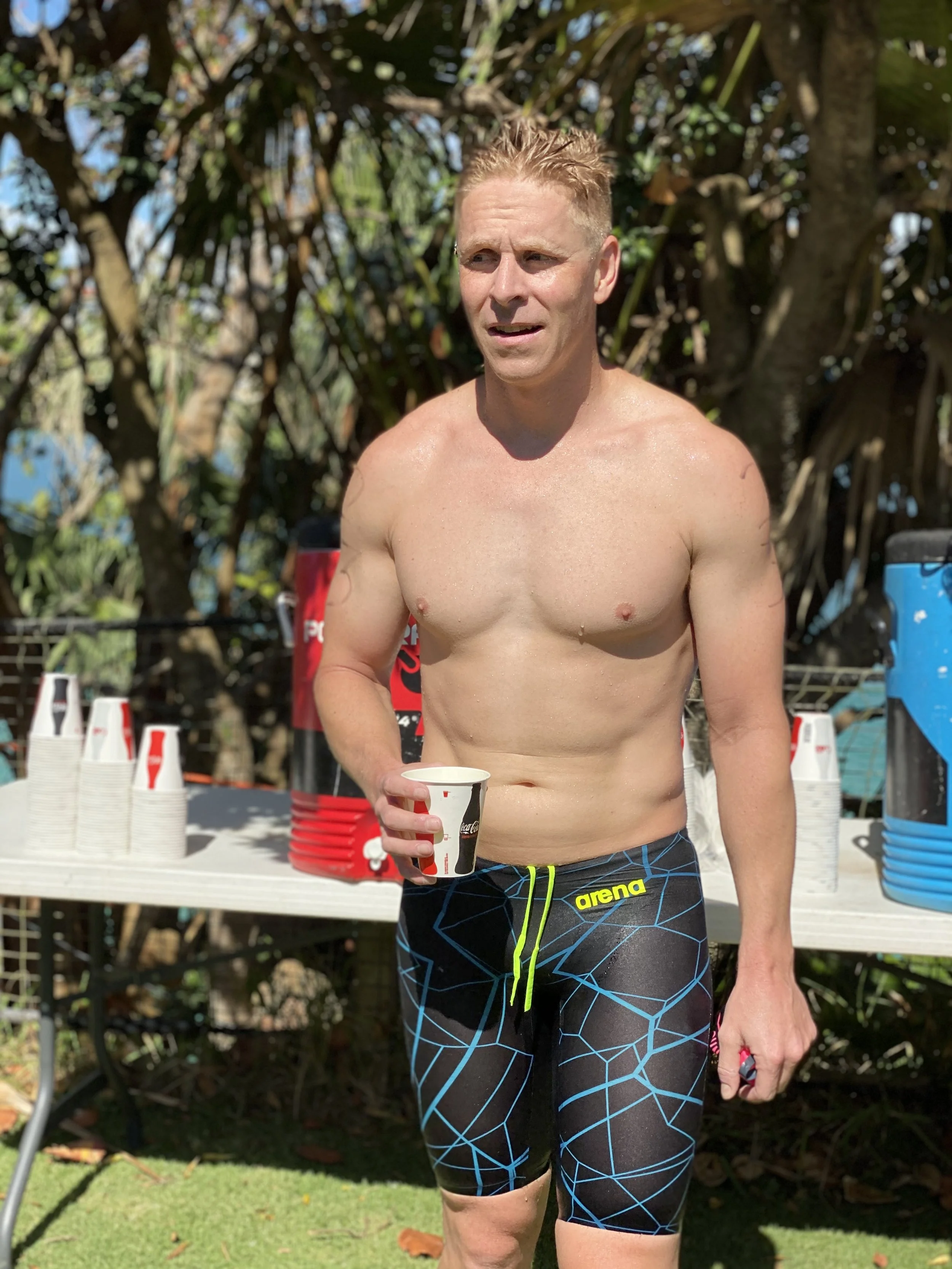
Water temperature can indeed impact swimming paces and performance. Warm and cold water temperatures can have both positive and negative effects on swimmers:
Read MoreWater temperature can indeed impact swimming paces and performance. Warm and cold water temperatures can have both positive and negative effects on swimmers:
Read MoreDryland resistance training is a game-changer for young swimmers, offering benefits that go beyond the pool. By incorporating targeted dryland exercises for young swimmers, athletes can develop strength, improve core stability, enhance endurance, and reduce the risk of injuries. This type of training builds confidence, fosters mental toughness, and prepares swimmers for long-term athletic success. Supported by expert insights and research, dryland workouts complement swim training, translating gains on land into faster, more efficient strokes in the water. Unlock your swimmer’s full potential with a well-rounded approach to training. Read article.
Read MoreIn the realm of youth sports, including swimming, there has been a growing realization that strength training, also known as resistance training, plays a pivotal role in the holistic development of young athletes. Contrary to outdated beliefs and misconceptions, expert guidance from pediatric doctors, exercise physiologists, and strength and conditioning professionals, supported by organizations like the UK Strength and Conditioning Association (UKSCA) and the US National Strength and Conditioning Association (NSCA), confirms the overwhelming positive body of evidence for youth resistance training. In this article, we will explore the expert guidance and the multifaceted benefits of incorporating age-appropriate resistance training into the regimen of youth swimmers.
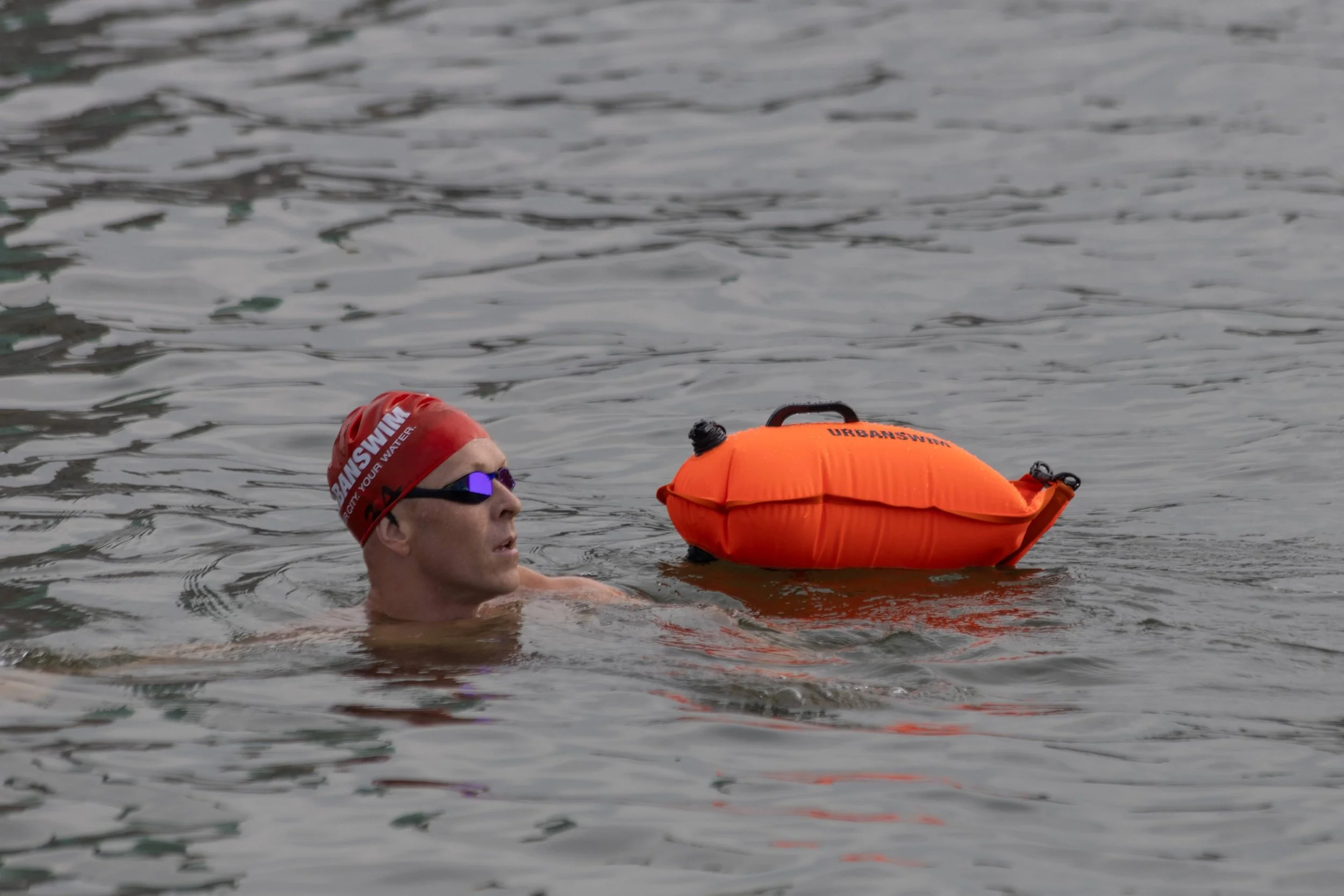
Read MoreSwimming in open water comes with challenges — visibility, safety, and staying prepared. That’s where a good swim buoy comes in. In this guide, I’ll walk you through exactly how to choose the best open water swim buoy based on what really matters: visibility, storage, and comfort in the water. Whether you’re racing, training solo, or swimming for fitness, the right buoy will help you stay seen, stay safe, and swim smarter. I’ll also share my go-to buoy recommendations for beginners and experienced swimmers alike — plus practical tips to get the most out of your gear.
Read MoreWhat should a swimmer focus on building: strength, hypertrophy, or both? And how should time be allocated? Let's explore this topic and discover how weight training can complement your swimming performance
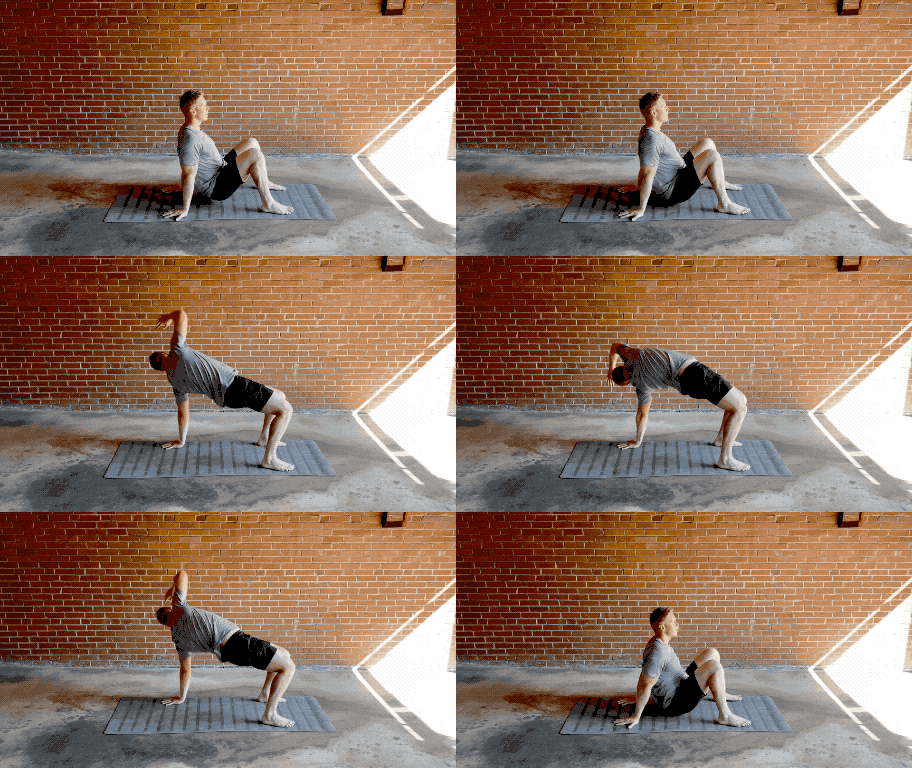
Read MoreEnter Animal Flow, a modality I have been programming for over a decade. Its the perfect blend of total body, ground-based, bodyweight conditioning, blending elements of mobility, stability, endurance, and power.
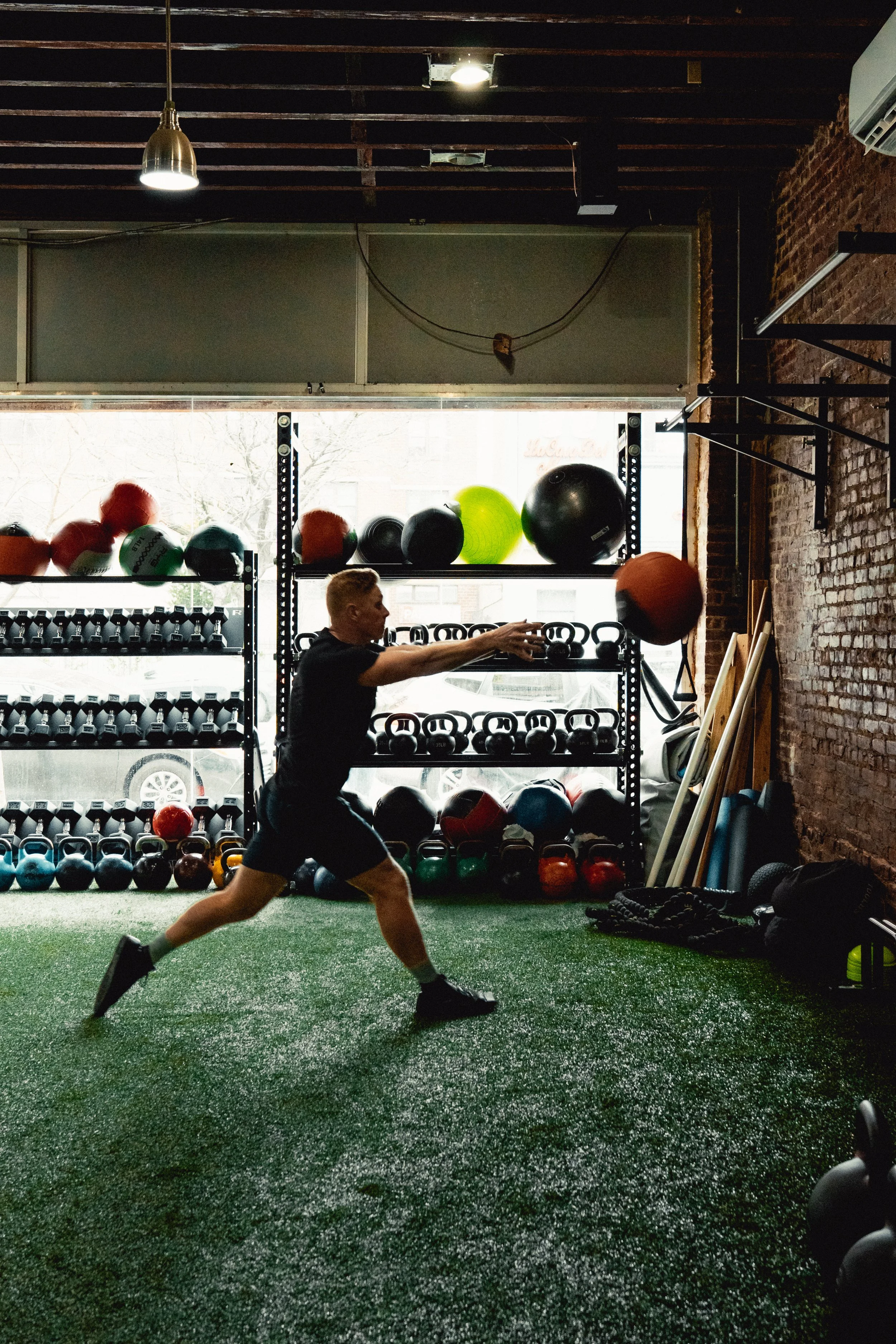
Read MoreIncorporating resistance training into a swimmer’s program can significantly enhance performance and reduce injury risk. Most swimmers benefit from 2-3 weightlifting sessions weekly, lasting 30-60 minutes, especially in the off and pre-season. These sessions should focus on compound movements like deadlifts, squats, and swim-specific exercises to build strength and power. But how often should you lift weights, and what exercises are best?
Read MoreMachines or free weights—which should you choose? While machines may attract gym members, they often limit range of motion and isolate muscles, leading to less effective and functional training. Free weights, on the other hand, allow for natural, multi-joint movements that mimic real-life activities. Exercises like squats or kettlebell swings are far more beneficial for building strength and improving cardiovascular fitness. As gym culture shifts, expect to see more open spaces filled with free weights and functional equipment. Ready to make the switch? Read on to discover why free weights should be your go-to for effective, functional workouts!
Read MoreDid you know there are five key components of health-related physical fitness? Many people tend to overemphasize one area while neglecting others. In this article, we explore these essential elements: body composition, muscular strength, muscular endurance, cardiovascular endurance, and flexibility. Understanding and balancing these components can lead to a well-rounded fitness routine that promotes overall health and prevents injury. Cross-training across these five areas ensures that your body stays healthy, fit, and capable of performing daily tasks with ease. Discover how each component contributes to your fitness journey. Read article.
Read More
Train with Coach Dan Daly →
Join Train Daly Team
Swimming · Triathlon · Endurance