

Exploring How Water Temperature Affects Swimming Paces
/One of the most common questions swimmers ask is: "What is a comfortable water temperature for swimming?"
The answer depends on your experience level, body composition, swim duration, and whether you're swimming in a pool or open water. However, most swimmers find water temperatures between 77°F and 82°F (25°C to 28°C) comfortable for swimming, training, and racing.
For recreational open water swimming, many athletes consider 70°F to 78°F (21°C to 26°C) an ideal sea temperature for swimming. At these temperatures, most swimmers can enjoy longer sessions without excessive heat loss or overheating.
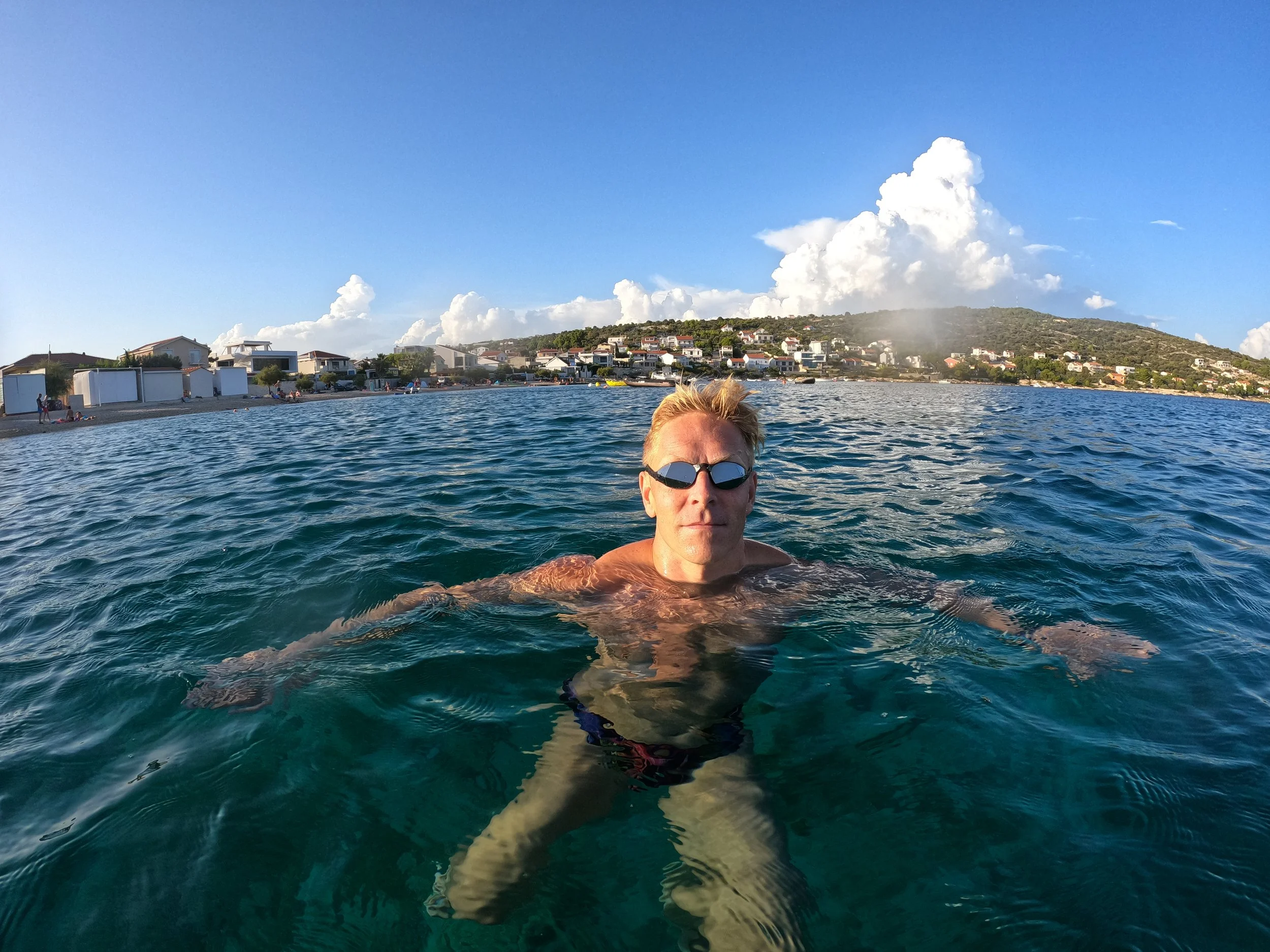
80F/26C - August - Adriatic Sea - Croatia
Training for open water? I offer one-on-one swim coaching designed to help you adapt to changing conditions, stay efficient in cold water, and build lasting endurance. Let’s sharpen your strategy and get you race-ready - stroke by stroke.
How Water Temperature Impacts Swimming Performance and Pace
Water temperature can indeed impact swimming paces and performance. Warm and cold water temperatures can have both positive and negative effects on swimmers.
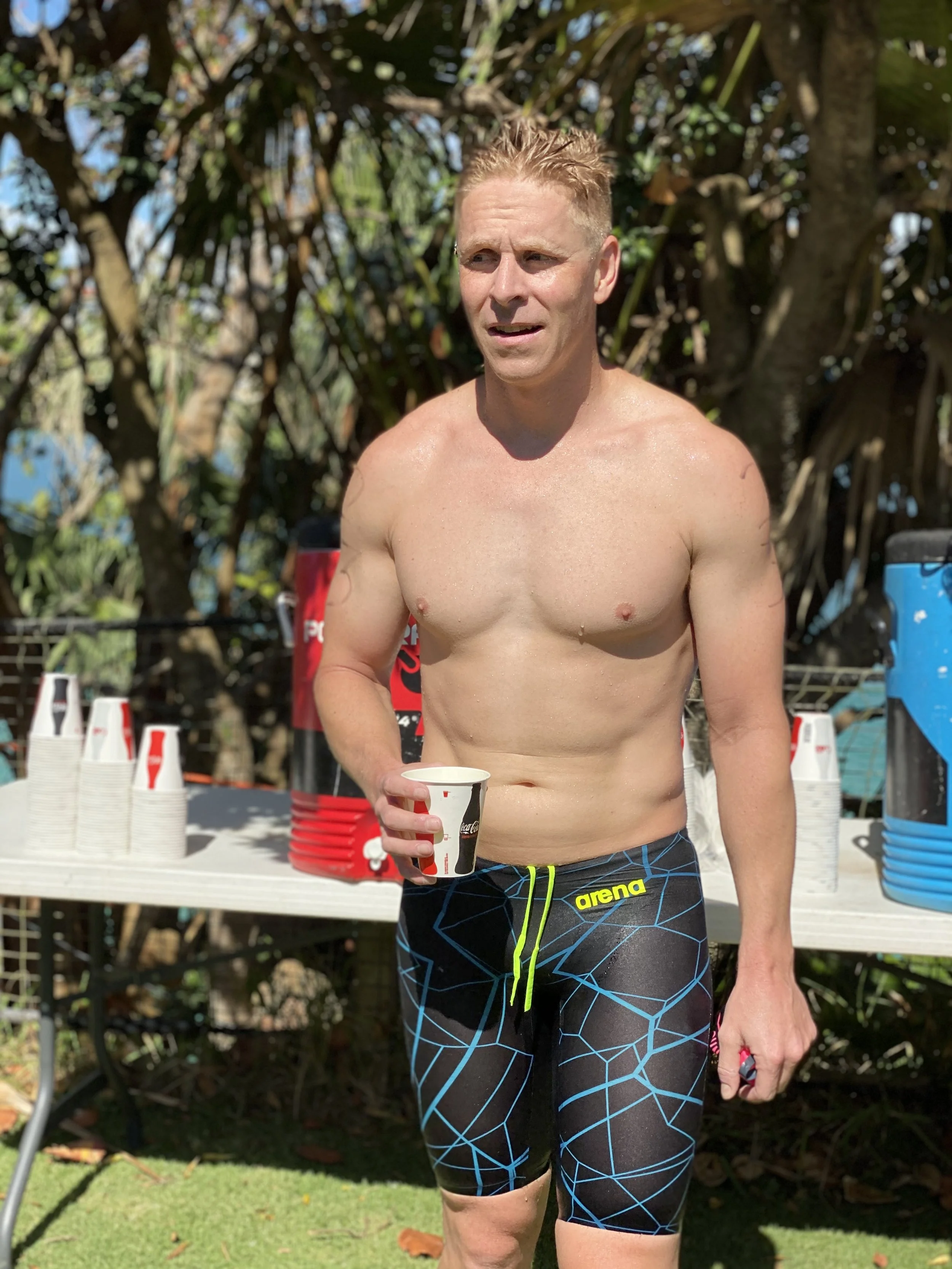
78F/25C - OCtober - Bermuda - 10k Around The sound Swim
Optimal Temperatures for Racing
| Water Temperature | Swimming Experience |
|---|---|
| Above 84°F (29°C) | Warm, risk of overheating during hard efforts |
| 77–82°F (25–28°C) | Ideal water temperature for swimming and racing |
| 70–76°F (21–24°C) | Comfortable sea temperature for swimming |
| 60–69°F (15–20°C) | Cold water, adaptation recommended |
| Below 60°F (15°C) | Cold-water swimming conditions |
| Below 40°F (5°C) | Ice swimming conditions |
While there is no universal "perfect" swimming temperature, this chart provides a useful starting point when evaluating water conditions.
Swimming Temperature Guide
Warm Water Temperature
Warm Water (above 84°F or 29°C): In water that's too warm, swimmers may experience discomfort, overheating, and even heat exhaustion. Performance can be negatively affected as muscles might fatigue more quickly, and there's a risk of dehydration due to increased sweating.
Moderate Water
Moderate Water (around 77-82°F or 25-28°C): This range is generally considered optimal for competitive pool training and racing. Muscles function well, and swimmers can maintain a good pace without being hindered by the temperature.
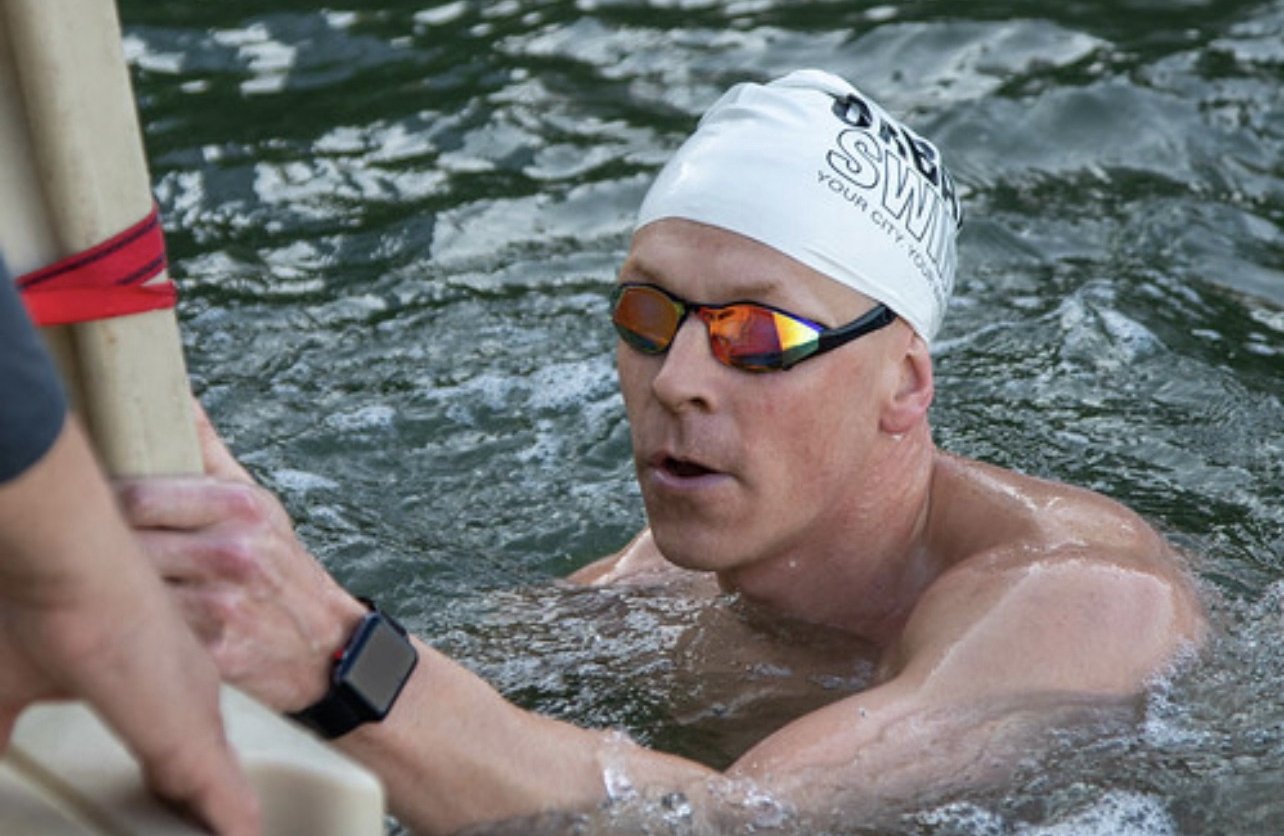
Cool Water Temperature
Cool Water (below 60-70°F or 15-21°C): In colder water, swimmers might experience decreased muscle function and increased resistance due to the denser water. This can result in slower paces and reduced performance. Cooler water, depending on time spent in the water, effort level, and body fat percentage, can also lead to hypothermia, which affects coordination and can be dangerous.
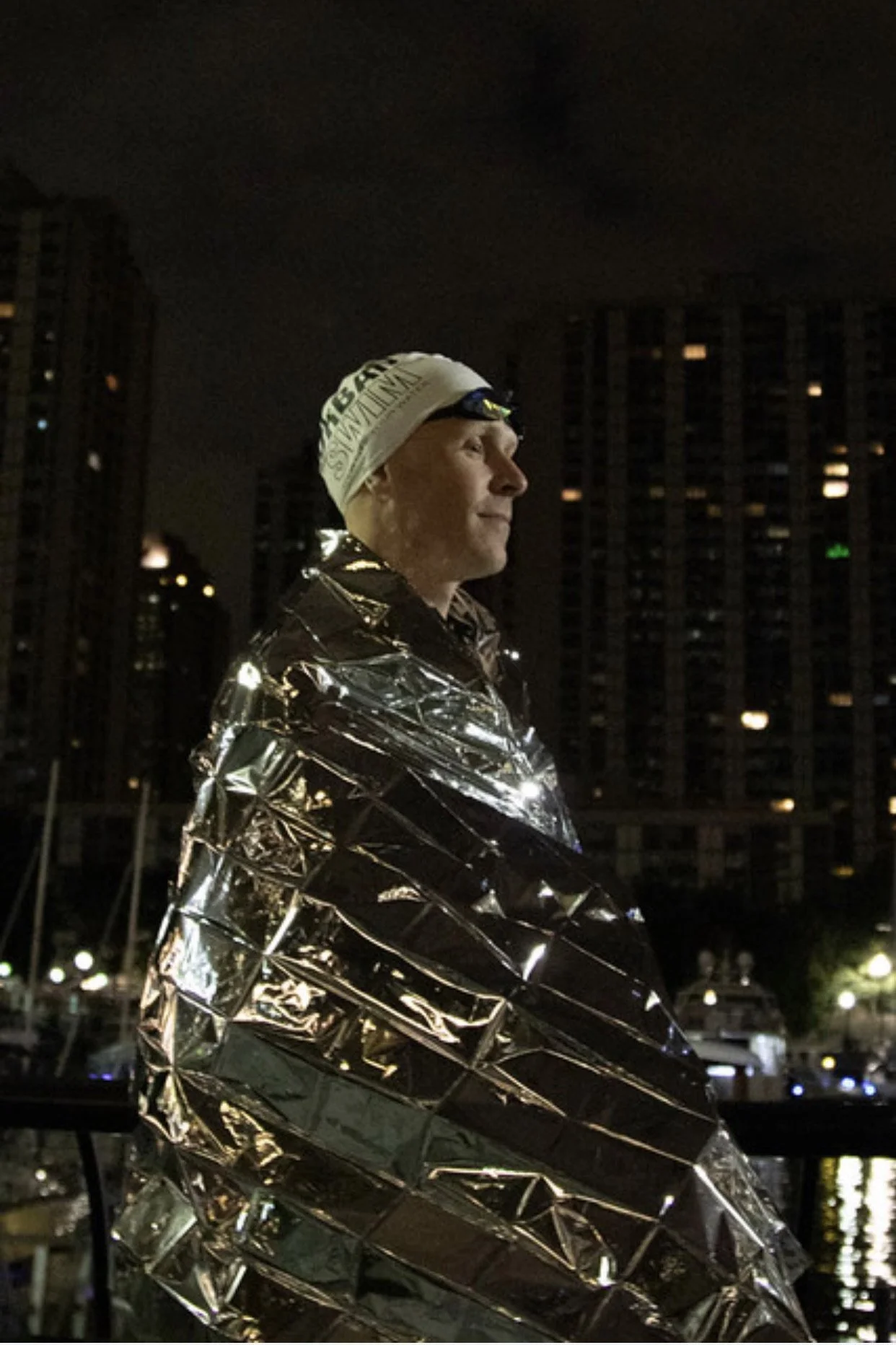
70F/21C - September - Hudson River, New York City - Swim Around Manhatan
English Channel Water Temperature
Challenging Cold Waters (50-60°F or 10-15°C): The English Channel, one of the most iconic channel swims, is known for its challenging water temperature, which can range from around 50°F (10°C) in summer to even colder temperatures in other seasons. The North Channel presents a formidable challenge, especially during the shoulder seasons when temperatures drop. Swimmers attempting the North or English Channel often require extensive training and must be prepared for the physical and mental challenges posed by these waters.
Find out how long it takes to swim the English Channel and what to expect during your swim by reading our comprehensive guide
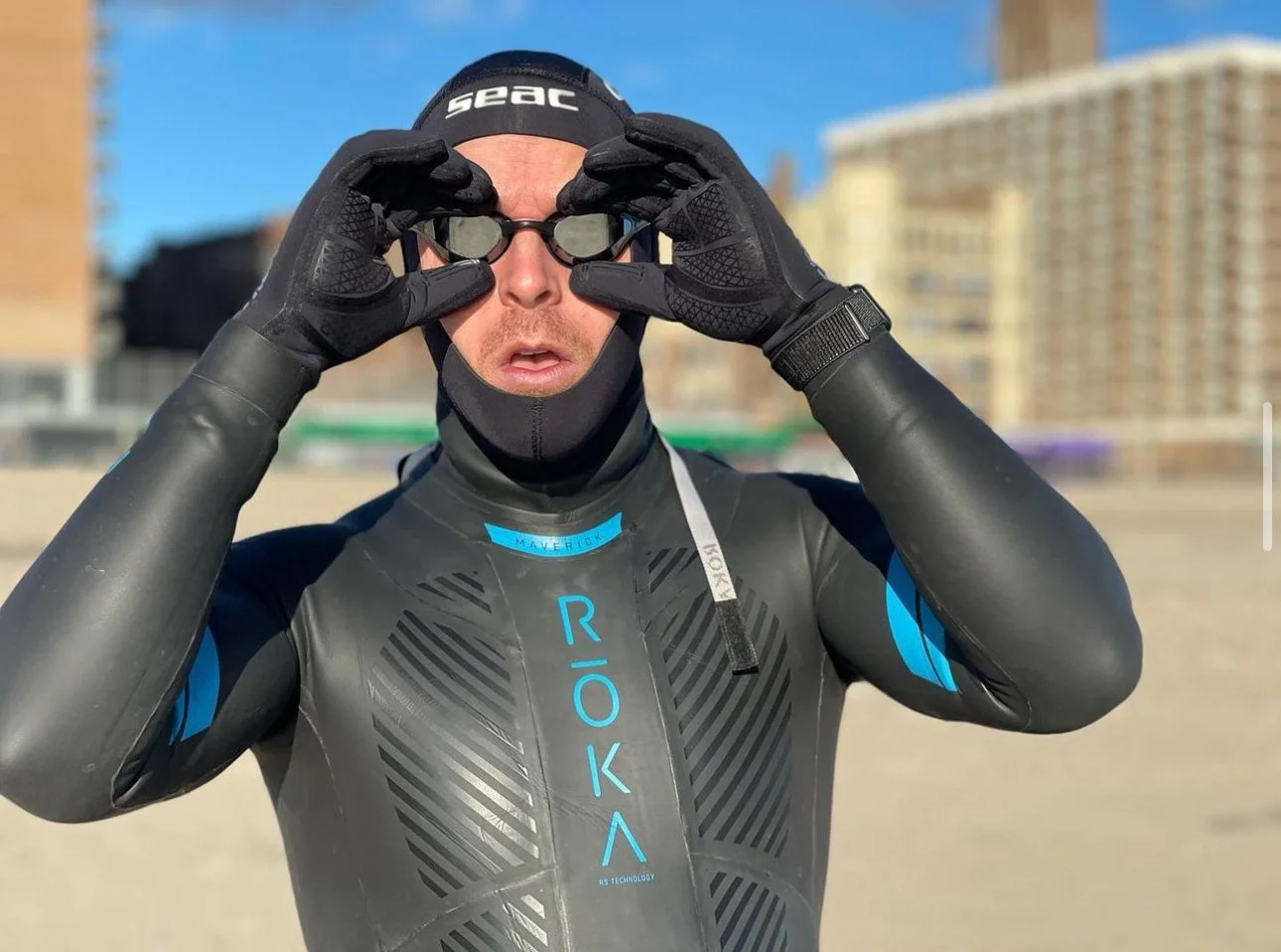
42F/5C January - Atlantic Ocean - BRighton Beach, Brooklyn
Swimming in the Chill: How Cold Is Too Cold?
Ice Cold Water (Below 40°F or 5°C): Ice swimming enthusiasts embrace the extreme by venturing into waters well below typical freezing temperatures. Ice swimmers push their limits by confronting icy conditions, often without wetsuits. Ice Swimming, as defined by IISA (International Ice Swimming Association), involves swimming without assistance in water temperatures of 5.0°C or lower. Swimmers are only allowed to wear a standard swim suit, a pair of goggles, and one silicone cap while adhering to IISA safety and swimming regulations.
Adapting to Water Temperature
It's important to note that individuals may respond differently to water temperatures. Some swimmers might find colder water more comfortable and conducive to better performance, while others could face difficulties. The ideal water temp for swimming often varies depending on personal preference and the activity's purpose. Competitive swimmers typically target water temperatures in the moderate range to optimize their performance. Moreover, extended exposure to cold water can hinder performance due to the body's natural thermoregulation mechanisms.
Your tolerance for a specific temperature can improve through safe and gradual exposure to that temperature, whether for longer durations or more frequent sessions. Factors such as body composition and your body's natural bioprene levels also influence this tolerance. Additionally, your choice of swimwear, including suits, caps, and various neoprene accessories with different coverage and thicknesses, can impact your swimming experience. It's essential to consult the governing body you intend to participate with to understand the regulations regarding swimming gear.
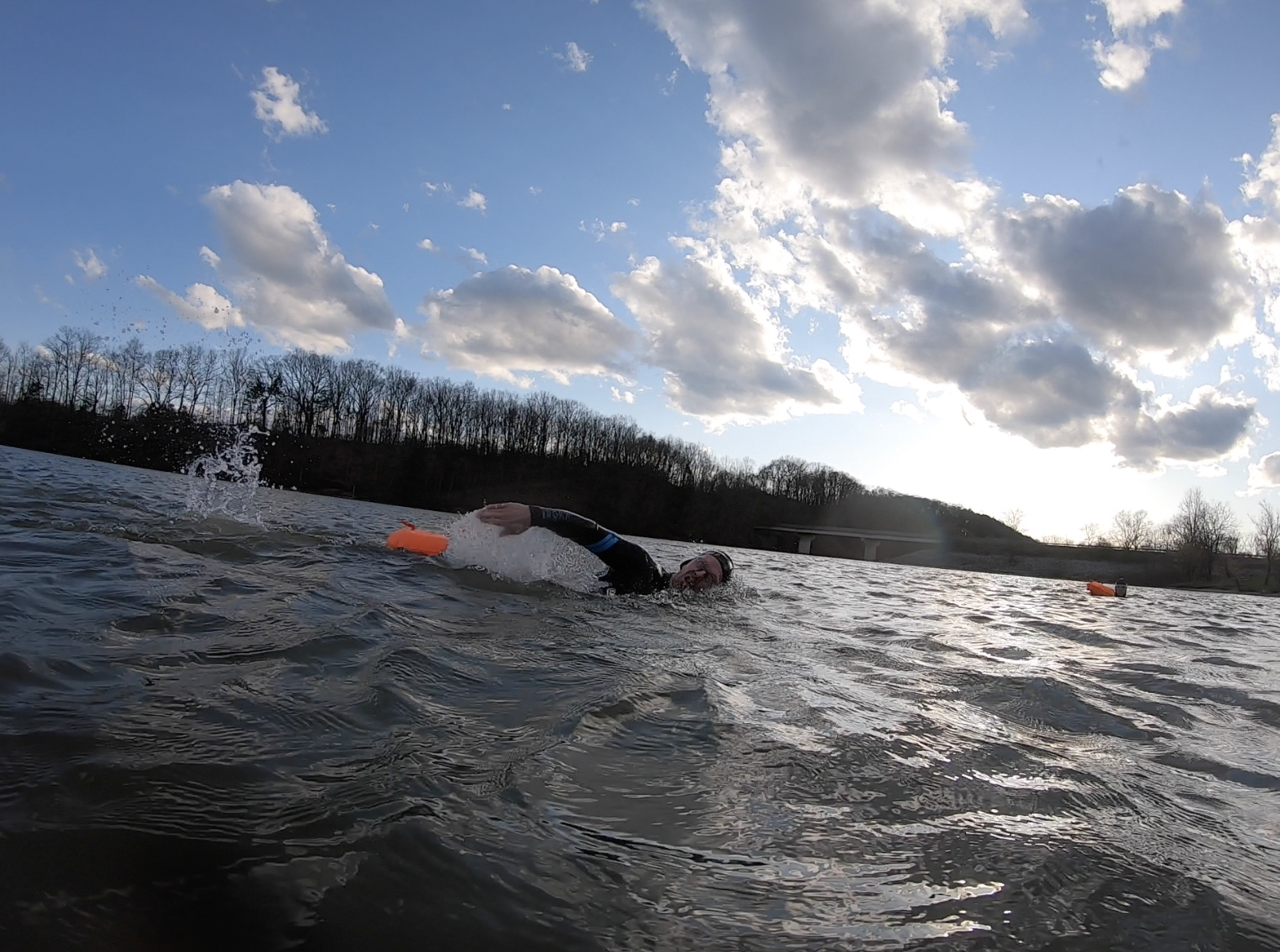
50F/10C - March - Blue Marsh LAke, Pennsylvania
Does Water Temperature Affect Swimming Speed?
Yes. Water temperature can have a measurable impact on swimming speed and performance.
In moderate temperatures, muscles function efficiently, energy expenditure remains manageable, and swimmers can maintain consistent pacing. As temperatures become more extreme, performance often declines.
Warm water can increase fatigue and dehydration. Cold water can reduce muscle efficiency, coordination, and stroke effectiveness. For many swimmers, the fastest performances occur in moderate water temperatures where the body does not have to work excessively to stay cool or stay warm.
Do You Swim Faster in Warm or Cold Water?
This question comes up frequently among open water swimmers. Many athletes assume cold water automatically makes them faster because it feels refreshing. In reality, most swimmers achieve their best performances in moderate temperatures.
Extremely warm water increases cardiovascular strain and can accelerate fatigue. Extremely cold water forces the body to conserve heat, which can limit power production and stroke efficiency.
In my coaching experience, swimmers generally perform best between 77°F and 82°F (25°C and 28°C), particularly during pool races and shorter open water events. Longer marathon swims may benefit from slightly cooler temperatures because they help regulate body heat over extended periods.
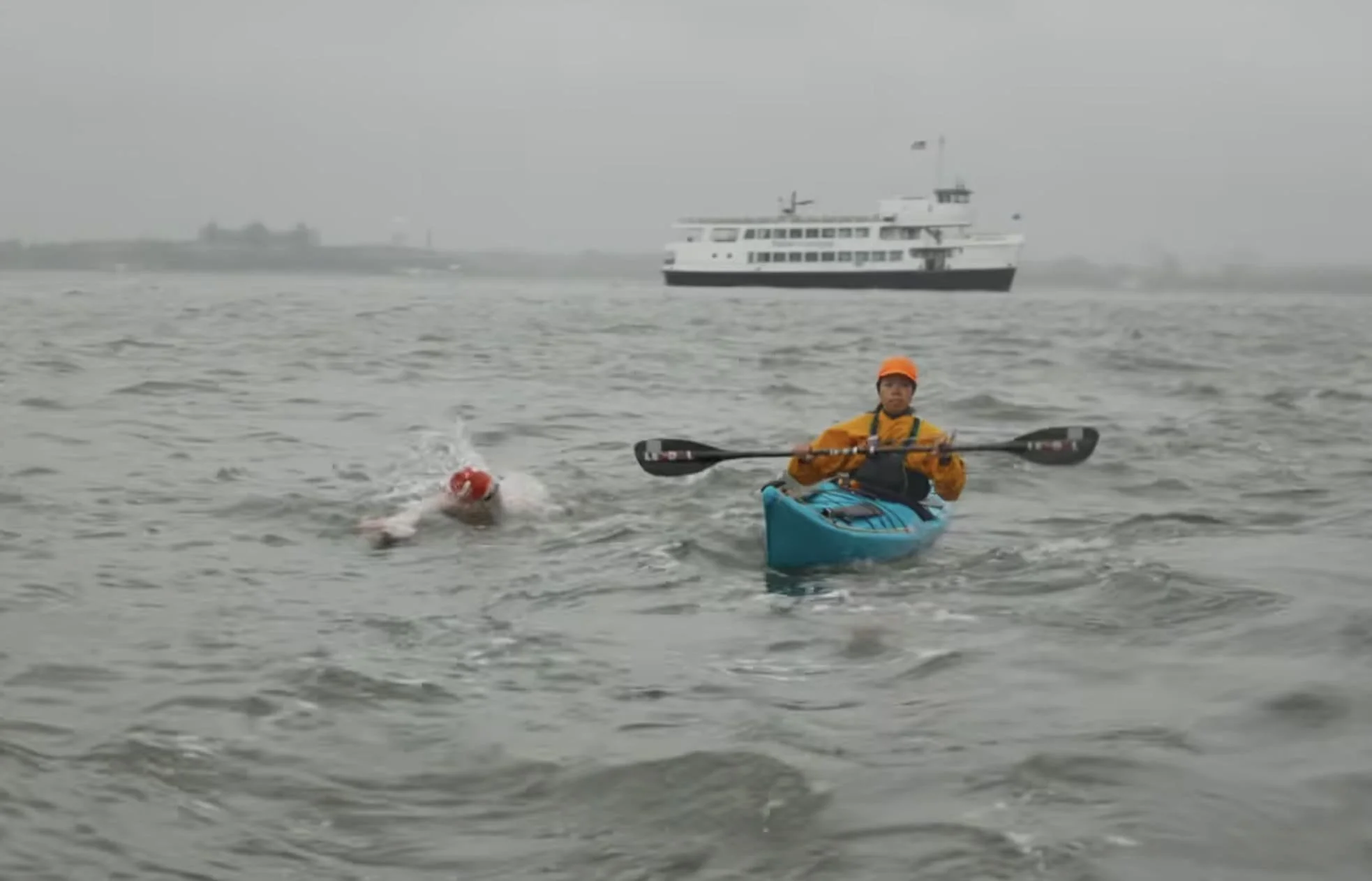
How Water Temperature Affects Swimming Pace
Water temperature can influence your swimming pace per 100m, especially during longer swims.
A swimmer maintaining a pace of 1:50 per 100m in comfortable conditions may see that pace slow as water temperatures drop and muscle function becomes less efficient.
Open water swimming pace is affected by several factors including:
Water temperature
Air temperature
Currents
Wind and chop
Feeding strategy
Wetsuit use
The longer the swim, the greater the potential impact of temperature on pace.
Average Open Water Swimming Pace Chart
| Swimmer Level | Swimming Pace Per 100m | Average Swimming Pace Per Kilometer |
|---|---|---|
| Beginner | 2:30–3:00 | 25–30 min/km |
| Intermediate | 2:00–2:30 | 20–25 min/km |
| Advanced | 1:30–2:00 | 15–20 min/km |
| Elite Marathon Swimmer | Under 1:30 | Under 15 min/km |
Remember that these are general benchmarks. Open water conditions often create significant variations in pace compared to pool swimming.
Air Temperature for Swimming Matters Too
Many swimmers focus exclusively on water temperature and forget about air temperature. When preparing for an open water swim, consider both.
A cool air temperature combined with cold water can increase heat loss before and after your swim. Conversely, hot air temperatures combined with warm water can increase the risk of overheating and dehydration.
Successful open water swimmers learn to evaluate the entire environment, not just the water temperature.
Swimming in various water temperatures demands adjustment of strategies and techniques. In warmer water, it's crucial to focus on hydration and employ effective cooling methods. Conversely, colder water calls for adequate warming-up and possibly wearing thicker swimwear to reduce heat loss. Before any swim, it's essential to have a plan in place for rewarming, cooling down, or handling emergencies. It's advisable to educate yourself, practice with experienced swimmers or coaches, prioritize safety, and, most importantly, enjoy your swim!
-
Yes, water temperature can significantly impact swimming speed. Warmer water (above 84°F or 29°C) may cause muscles to fatigue faster, leading to slower speeds, while colder water (below 70°F or 21°C) can decrease muscle function and coordination, also affecting performance. The ideal range for optimal speed and performance is generally between 77-82°F (25-28°C).
-
Not always. While some swimmers may initially feel energized in cooler water, prolonged exposure can decrease muscle efficiency, slow stroke rate, and hinder overall speed. Extreme cold can lead to hypothermia, making it difficult to swim efficiently. However, moderate cool temperatures may benefit certain swimmers who can handle the cold better.
-
Cold water for swimming is generally considered to be below 70°F (21°C). Extreme cold, like temperatures between 50-60°F (10-15°C), can pose serious risks such as hypothermia and require special training and precautions. Ice swimming involves even colder temperatures, usually below 40°F (5°C).
-
Warm water temperatures for swimming are typically above 84°F (29°C). In such conditions, swimmers may be at risk of overheating and dehydration. It’s important to stay hydrated and monitor your body closely to avoid heat-related issues when swimming in warm water.
-
The best water temperature for swimming for most swimmers is between 77-82°F (25-28°C). This range allows muscles to function efficiently without the risk of overheating or getting too cold, making it ideal for both training and competitive swimming. Personal preference and acclimatization also play a role in what feels comfortable.