

Why Your Shoulder Hurts From Swimming
/For a long time, I assumed shoulder pain was simply part of being a swimmer. After coaching for more than 20 years—and eventually dealing with my own shoulder problems—I realized that most swimmers aren't injured because they swim. They're injured because small technical mistakes are repeated thousands of times until the shoulder can no longer tolerate the load.
Sometimes the discomfort is a dull ache after practice. Other times it's a sharp pain during freestyle, soreness that appears after breaststroke, or shoulder blade pain that lingers well into the next day. While these symptoms are common among swimmers, they should never be dismissed as a normal part of training.
In my experience, shoulder pain is usually a signal that something needs attention. It could be a technical flaw in your stroke, a weakness in shoulder stability, poor mobility, excessive training volume, or a combination of several factors. The good news is that most swimming-related shoulder problems can be improved when you identify the underlying cause instead of simply resting and hoping the pain goes away.
In this article, I'll explain why your shoulder hurts from swimming, the most common swimmer's shoulder symptoms, and the practical changes that can help you return to pain-free, efficient swimming.
What Is Swimmer's Shoulder?
Swimmer's shoulder isn't a single diagnosis. It's a broad term used to describe shoulder pain caused by the repetitive overhead motion of swimming. The discomfort can originate from several structures, including the rotator cuff tendons, the bursa, the labrum, or poor movement and control of the shoulder blade.
In competitive swimming, the shoulder may go through thousands of arm cycles every week, particularly in freestyle and butterfly. When training volume exceeds what the shoulder can tolerate—or technique places excessive stress on the joint—irritation and pain can develop over time.
The most common conditions associated with swimmer's shoulder include:
Rotator cuff irritation or tendinopathy
Shoulder impingement
Bursitis
Tendinopathy of the surrounding shoulder tendons
Shoulder blade (scapular) dysfunction
In most cases, shoulder pain isn't caused by a single workout or one bad stroke. It develops gradually as small technical errors, high training volume, limited mobility, and poor shoulder stability combine to overload the joint. Left unaddressed, that overload can progress from mild soreness to a more persistent injury.
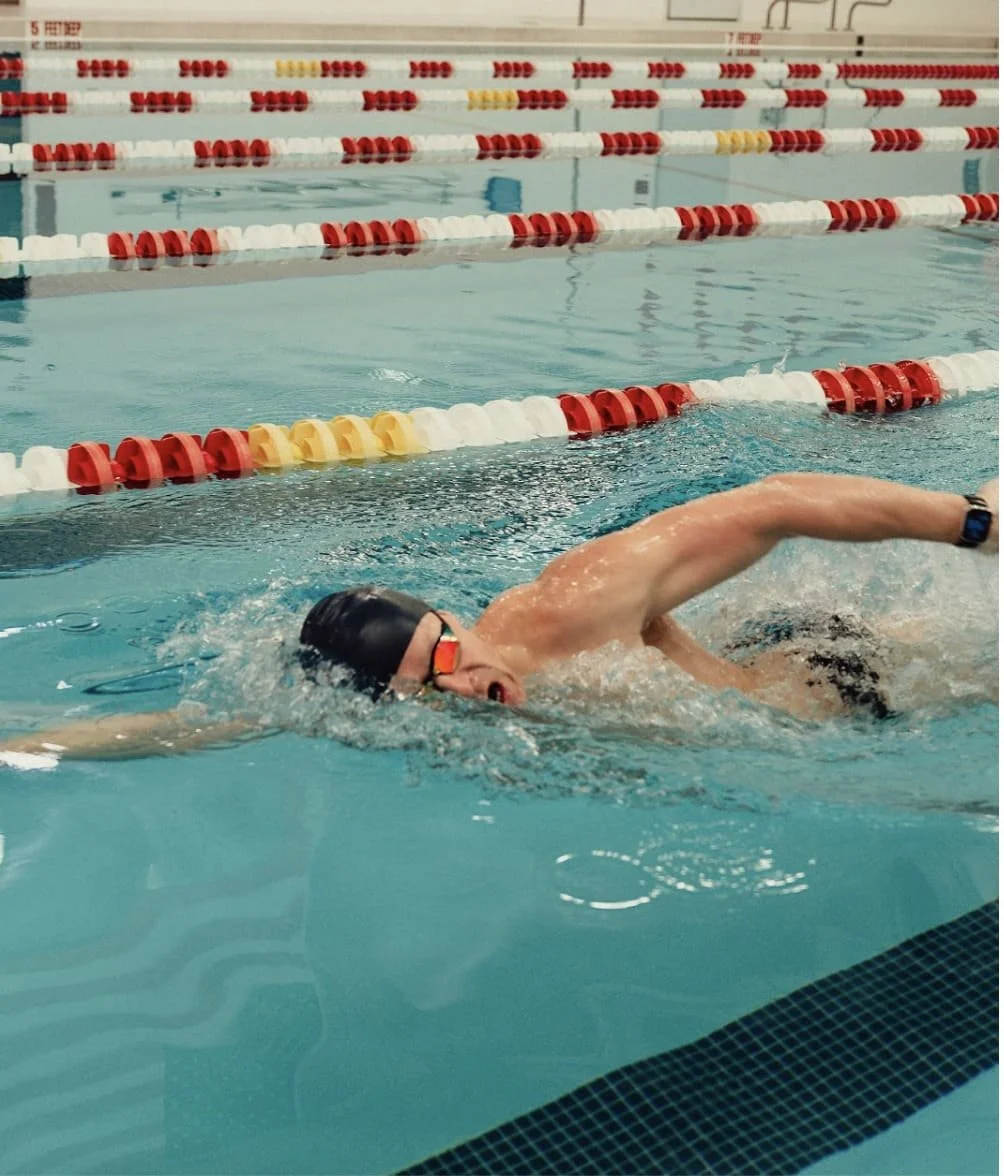
Common Shoulder Injuries for Swimmers
1. Rotator Cuff Irritation
The rotator cuff stabilizes your shoulder joint. In freestyle swimming shoulder pain cases, this is often the primary culprit. If your shoulder hurts while swimming freestyle – especially during the catch phase – this is a red flag.
2. Bursitis
Swimming with shoulder bursitis feels like deep joint pain, often worse after practice. The shoulder joint pain after swimming may linger into the evening.
3. Tendonitis
Tendonitis from swimming develops gradually. You might notice:
Shoulder hurts after swimming but not during
Stiffness the next morning
Pain when lifting your arm overhead
4. Shoulder Blade Dysfunction
Swimmer’s shoulder blade pain is often overlooked. If your shoulder blade hurts after swimming or you feel sharp pain between the shoulder blades, the issue may be scapular control – not the joint itself. I see this a lot in high school swimmers who’ve grown quickly but haven’t developed stability yet.
Stroke-Specific Shoulder Pain
Freestyle Swimming Shoulder Pain
Freestyle shoulder pain usually starts in the catch. When the elbow drops, the hand reaches too high or too far forward, or the arm crosses the midline, the mechanics break down. Add poor body rotation, and the shoulder joint begins doing work that should be shared with the lats and core. Imagine throwing a ball with just your arm, rather than rotating and using your entire body.
When the catch collapses, the rotator cuff absorbs most of the stress. Over time, that overload leads to irritation and inflammation. It may feel minor at first, but it’s not sustainable if the mechanics don’t change.
Is This Entry Mistake Causing the Problem?
One common freestyle fault I see is a thumb-down entry. When swimmers enter the water thumb first, it increases internal rotation at the shoulder and reduces their ability to set up a strong, square catch. That position can close down joint space and contribute to irritation over time.
Watch this short breakdown:
Often this is a simple technical issue corrected with drills like fingertip drag, focusing on a square fingertip entry. But if mobility restrictions in the pecs and lats are limiting your position, technique work alone won’t fully solve it.
Breaststroke Shoulder Pain
Breaststroke shoulder pain is different. It’s often less about repetition and more about joint positioning. Pulling too wide, rotating excessively, or forcing an aggressive recovery can place the shoulder in a vulnerable position.
With breaststroke, small technical adjustments often make a big difference. When the arm path stays controlled and aligned, the shoulder feels supported instead of strained.
Swimmer’s Shoulder Symptoms to Watch For
If you’re wondering, “Is this serious?” here’s what I tell my swimmers to monitor:
Shoulder hurts from swimming consistently
Pain during the catch phase
Shoulder blade pain swimming that worsens over weeks
Shoulders ache after swimming every session
Pain reaching overhead or behind your back
Night discomfort
Pain that improves with rest but returns immediately is classic swimmer shoulder problems.
That’s not a strength issue. That’s a movement pattern issue.
Why Rest Alone Doesn’t Fix It
Yes – swimmer’s shoulder rest is important. But rest without correction only pauses the problem.
“Swimmer’s shoulder” isn’t one single injury. It’s a catchall term that can include rotator cuff irritation, bursitis, tendon overload, or movement dysfunction. That’s why generic shoulder rehab often falls short.
Mobility frequently needs to come first. Improving rotation through the upper spine affects how the shoulder blades sit on the rib cage and how the arm moves in the joint. If thoracic rotation is limited, the shoulder compensates — and compensation leads to overload.
Swimmer’s Shoulder Isn’t One Injury — Here’s What to Do Instead
But mobility alone isn’t enough.
At some point, you must build real stability and strength that transfers directly into the water. That’s exactly why I created the Shoulder Armor Stability Program
Shoulder Armor Stability Program
If you want to stop shoulder pain once and for all — without overtraining, icing after every session, or wasting time on random rehab drills — this program gives you a structured 8-week progression designed specifically for swimmers.
Inside, you’ll learn why most swimmers unknowingly train their shoulders in ways that actually make them weaker in the water, the simple cue that instantly improves overhead stability, and the specific dryland progressions I use with elite athletes to bulletproof their shoulders.
Because if you return to full yardage with the same mechanics and no stability foundation, the pain will come right back.
I’ve seen it dozens of times.
Prevention and Treatment of Swimmer’s Shoulder
Let’s talk practical.
Shoulder pain in swimmers rarely comes from one bad workout. It builds over time from small technical leaks and repeated overload. The solution isn’t just rest. It’s correction.
First, fix the catch. In my coaching philosophy, excellence lives in the fundamentals. When the elbow drops in freestyle, the shoulder joint absorbs force that should be handled by the lats and trunk rotation. Over time, that extra stress irritates the rotator cuff. Cleaning up the early vertical forearm and maintaining a high elbow often reduces shoulder joint pain after swimming within weeks.
If you want a broader understanding of how technique and training habits protect you long term, review this guide on common shoulder injury prevention. Prevention always beats rehab.
Second, build scapular control. The shoulder blade is the platform your arm moves from. If it isn’t stable, the rotator cuff works overtime trying to control motion. Focus your dryland on controlled activation of the lower traps, serratus anterior, and rotator cuff rather than heavy pressing. Stability first, power second.
Third, adjust volume intelligently. If your shoulder hurts after swimming every day, that’s feedback. Scaling yardage temporarily doesn’t mean stopping completely. Technique-focused sets, shorter intervals, and controlled intensity allow inflammation to calm down while maintaining conditioning.
Finally, don’t ignore persistent front-of-shoulder tightness. Deltoid pain swimming often signals compensation. When the anterior deltoid dominates, it usually means your back muscles aren’t doing their share of the work. That’s a mechanics issue, and mechanics must be addressed at the source.
The goal isn’t just to get out of pain. The goal is to swim stronger without returning to the same pattern.
Swimming With an Injured Shoulder – Is It Safe?
It depends.
Swimming with injured shoulder conditions like bursitis or tendonitis may be possible if:
Pain stays under 3/10
No sharp catching sensation
No weakness
But if pain increases during the set, stop.
Pushing through swimmer’s shoulder symptoms turns small inflammation into chronic injury.
Swimmers Shoulder Recovery Plan (Simple Framework)
Here’s what I use with athletes:
Phase 1 – Calm It Down
Reduce volume
Ice post-practice
Gentle mobility
Isometric cuff work
Phase 2 – Rebuild Stability
Progressive band work
Scapular control drills
Controlled pull volume
Phase 3 – Return to Speed
Reintroduce race pace gradually
Monitor fatigue closely
Maintain weekly shoulder care
Most swimmers improve in 4–8 weeks when mechanics are corrected. Not overnight. But consistently.
Stretching isn't always the answer. If you feel stiff in the water, mobility may be the missing piece.
This course helps swimmers improve shoulder, hip, and spine mobility with simple sessions designed for warm-up or recovery.
When to See a Professional
If shoulder blade pain after swimming doesn’t improve with rest and technique adjustments — or you notice weakness, limited range of motion, or night pain — it’s time to get evaluated. Shoulder pain in freestyle or breaststroke that lingers for months isn’t something to push through.
I share my own experience, what I tried, and the updated treatment plan I’m following after working with Dr. Alex Ewart, physical therapist and former D1 swimmer, in this article:
You can read the full breakdown here:
Swimmer’s Shoulder: My Journey to Overcome Shoulder Discomfort and Get Back to Sprint Swimming.

Final Thoughts: Your Shoulder Is Telling You Something
Your shoulder joint is incredibly mobile.
Mobility without stability equals vulnerability.
If your shoulder hurts from swimming, don’t panic – but don’t ignore it either.
Address technique.
Build smart strength.
Respect recovery.
Because swimming should build you up – not wear you down. And when you take care of the fundamentals, your shoulders will thank you for it.
About the Author
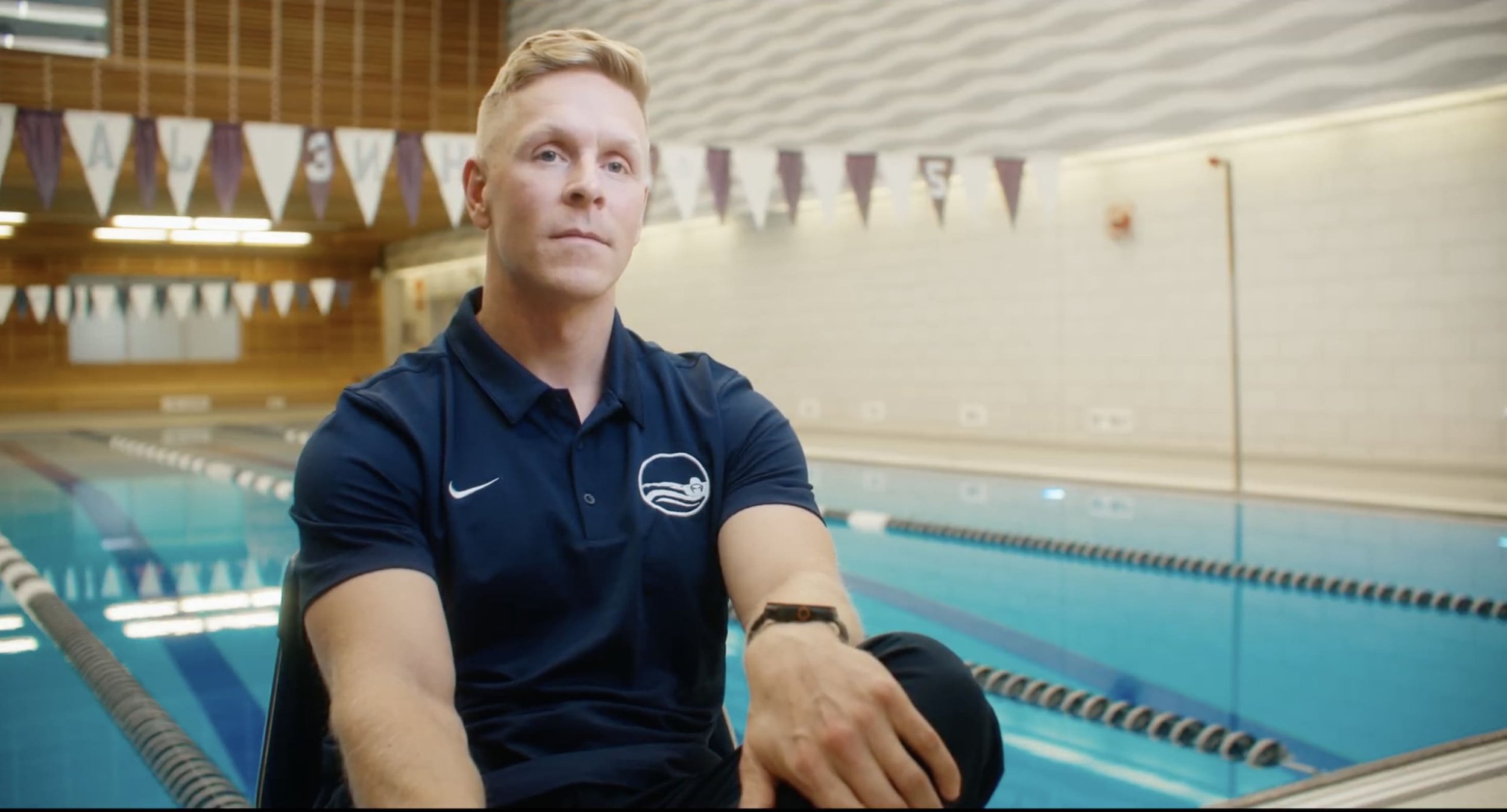
Dan Daly is a CSCS-certified swim coach with over 20 years of experience working with competitive swimmers from high school to Olympic Trials level. Through the Train Daly methodology, he blends technique-first instruction with evidence-based strength training to help swimmers perform at their highest level – sustainably.
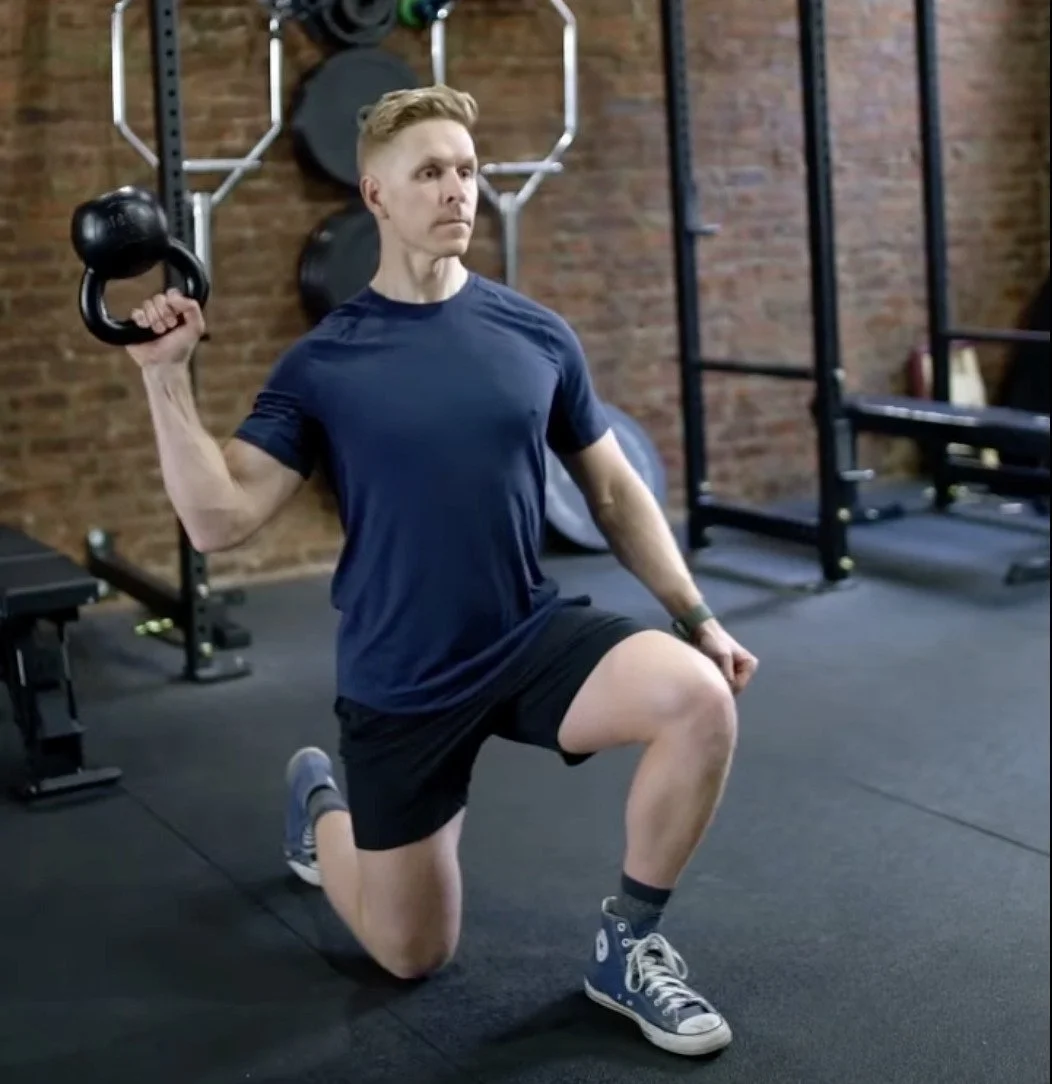

Chlorine, pool chemicals, and frequent swim training can leave your hair dry, brittle, and difficult to manage. The right shampoo helps remove chlorine buildup, restore moisture, and keep your hair healthy throughout the season. In this guide, Coach Dan Daly shares practical hair care advice for swimmers, including how often to use clarifying shampoo, what ingredients to look for, common hair care mistakes to avoid, and the best shampoos for swimmers to protect your hair before and after every swim.