The Best Exercise You Are Not Doing - Dead Lifting

The Best Exercise You Are Not Doing - Dead Lifting

The deadlift is one of the most effective exercises you can do. It engages multiple muscle groups, including the hamstrings, glutes, core, traps, and shoulders, making it a powerhouse for both strength building and fat loss. The significant muscle activation not only burns calories during the workout but also elevates your metabolism during recovery. Deadlifting can also increase blood testosterone levels, helping to develop lean muscle. On top of all that, it’s a highly functional movement, reinforcing proper form for lifting in everyday life. Ready to add this essential lift to your routine?

Read More
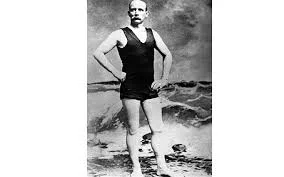
Coaching a Swim Across the English Channel

Coaching a Swim Across the English Channel

For the past two years I have coached Tom remotely, sometimes joining him in open water training swims, races, and channel pacing. At 44yrs, he swims 6 days per week for 2hrs hours or more, covering an average of 35km weekly. Outside of the pool hes improved his strength and power with twice weekly strength and conditioning workouts.

Read More

Your Metabolism on Cardio: Breaking Through the Plateau

If you're running to lose weight and finding your progress has stalled, it may be time to rethink your approach. While running has its benefits, it’s not the most effective method for fat loss. As your body becomes more efficient, you burn fewer calories over time. Strength training and high-intensity interval training (HIIT) are better for sustained fat burning, thanks to their metabolism-boosting afterburn effect. Don’t just rely on steady-state cardio—mix up your routine for real results. Ready to boost your metabolism and break through that plateau?

Read More

Reader Question - What should I do about posterior leg pain during/after running?

Reader Question - What should I do about posterior leg pain during/after running?

If you’re experiencing posterior leg pain during or after running, it could stem from muscle strain or nerve impingement. Sciatic nerve compression, for example, can lead to symptoms like sharp or dull pain, numbness, or tingling down the leg. Rest is key, followed by targeted glute, hamstring, and core strengthening exercises, such as bridges and planks. Foam rolling the lower body and stretching may also relieve symptoms, especially if the piriformis muscle is tight. Looking for exercises to stabilize and strengthen your posterior chain? - Read article.

Read More

Is sleep getting in the way of your body composition goals??

Is sleep getting in the way of your body composition goals??

Think you're doing everything right - training consistently, eating well - but still not seeing the body composition results you want? Poor sleep might be the missing piece. Research shows that lack of quality rest can slow your metabolism, increase fat storage, and limit muscle recovery. In this article, we break down how sleep affects body composition, performance, and fat loss, and what you can do to fix it. Because sometimes, the real progress happens when you’re not even awake.

Read More

Low Trap Pulls for Increased Stability and Strength

Low Trap Pulls for Increased Stability and Strength

Low trap pulls are essential for shoulder stability and strength, particularly for those with weak scapular muscles or poor posture. The often-overlooked lower traps help stabilize and depress the shoulder blades, crucial for reducing injury risks. Begin with foam rolling your thoracic spine and lats to increase mobility, followed by activation moves like wall angels. Adding low trap pulls and traps pull-ups to your workout can strengthen muscles needed for pull-ups and bench presses while preventing shoulder pain. Discover how these exercises improve performance and protect your shoulders. Read article.

Read More

"Doing Work" with Coach Dos - Metabolic Conditioning

"Doing Work" with Coach Dos - Metabolic Conditioning

Metabolic Conditioning with Coach Dos brings a new level of intensity to your workouts. At a recent seminar led by renowned strength and conditioning coach Robert Dos Remedios, I learned how Cardio Strength Training can supercharge your metabolism and elevate your fitness. Traditional cardio may fall short compared to the benefits of high-intensity intervals, which increase Excess Post-Exercise Oxygen Consumption (EPOC) and keep your metabolism burning long after your workout. Ready to test your endurance? Try this powerful kettlebell circuit at the end of your strength session or as a standalone conditioning workout.

Read More

Why Are Dumbbells Called Dumbbells? The Surprising Origin

Why Are Dumbbells Called Dumbbells? The Surprising Origin

Ever wondered why we call it a dumbbell? The term dates back to the 16th century in England, when silent or "dumb" bells were used for Change Ringing practice without sound. These bells eventually evolved into the fitness equipment we know today, used by strongmen to demonstrate feats of strength. Over time, the dumbbell became a fitness staple, helping us build strength and eliminate muscle imbalances. Now that you know the history, grab a pair and start training! Curious about more fitness origins?

Read More

Body Fat Comparison

Body Fat Comparison

Understanding your body fat percentage is essential for sculpting your ideal physique. In the article "Body Fat Comparison," various levels are examined, from 23% body fat, which is considered overweight, down to 3% body fat, known as "Sliced." At a ripped body fat percentage of around 7%, abs become clearly visible, and muscle definition is highly pronounced. For those wondering, can you see abs at 12 body fat, the answer is yes—at 12%, the outline of abs begins to emerge, offering a more defined appearance. Additionally, the article explores what body fat is shredded, typically achieved between 5-7%, where muscle striations and vascularity are prominent. Whether you're aiming for a "Ripped" 7% body fat or striving towards the extreme "Sliced" state, understanding your body fat percentage is key to setting and reaching your fitness goals.

Read More