SWOLF in Swimming: How to Calculate It and Use It to Get Faster

SWOLF in Swimming: How to Calculate It and Use It to Get Faster

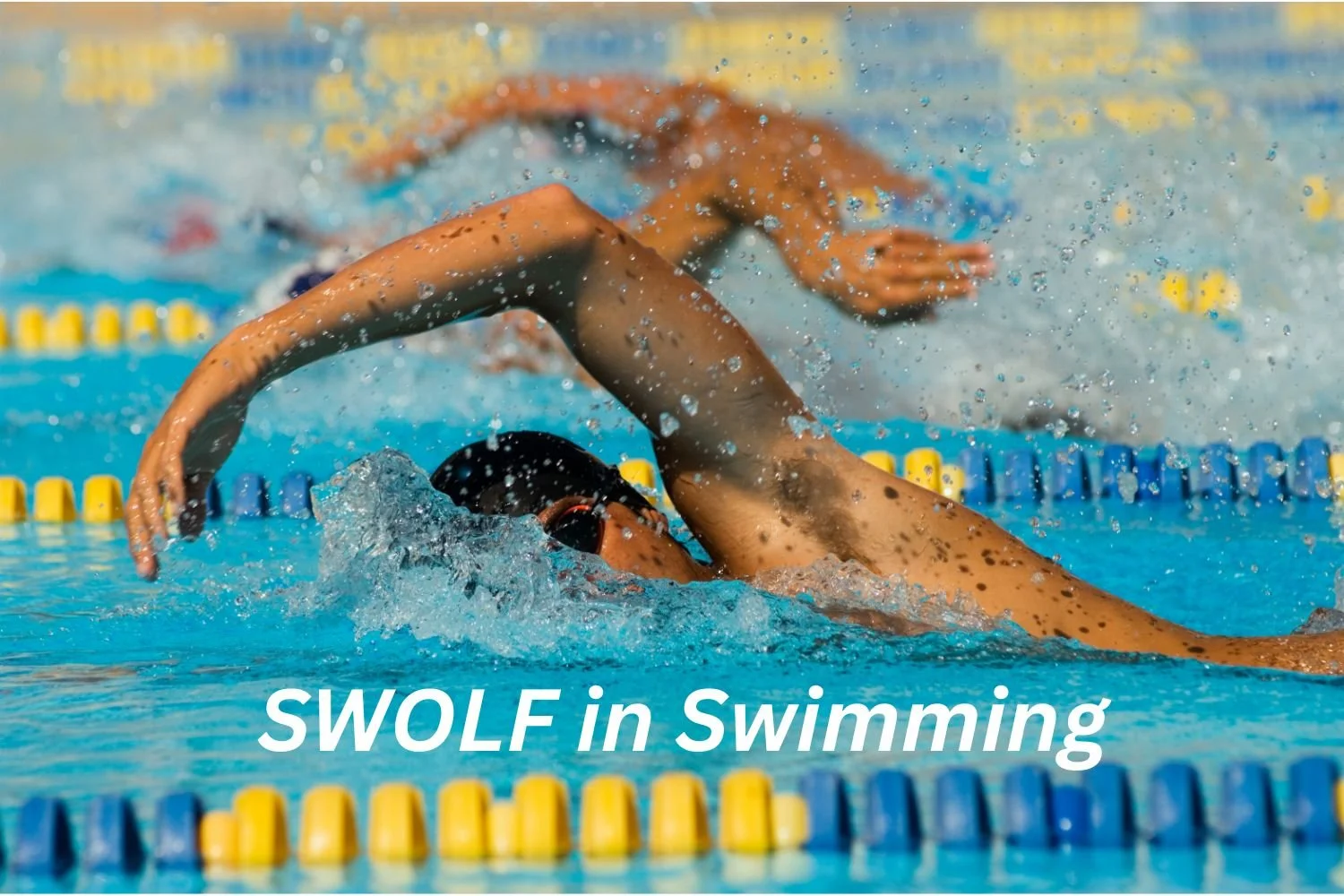
SWOLF is one of the most useful yet overlooked metrics in swimming. Short for “Swim Golf,” it combines your lap time and stroke count into a single number to track efficiency, not just speed. In this guide, Coach Dan Daly breaks down the SWOLF meaning, shows how to calculate your score, and explains what a good SWOLF looks like for different pool types and skill levels. You'll also get expert drill recommendations - including catch-up, fingertip drag, and sculling—to help you swim smarter. If you're ready to stop guessing and start training with purpose, this article is your blueprint.

Read More
Feel the Surge: What Propulsion in Swimming Really Means

Feel the Surge: What Propulsion in Swimming Really Means

Want to swim faster without just working harder? It all comes down to mastering propulsion. In this guide, Coach Dan Daly breaks down the science behind swimming propulsion, the difference between drag and lift forces, and how to improve your stroke for maximum speed. With targeted drills, smart use of training tools, and integrated dryland exercises, you’ll learn how to generate more forward motion with every stroke. Whether you're in the pool or open water, it’s time to feel the surge - and move smarter.

Read More

Vasa Trainer Pro Workouts: How to Boost Swim Strength and Endurance

Vasa Trainer Pro Workouts: How to Boost Swim Strength and Endurance

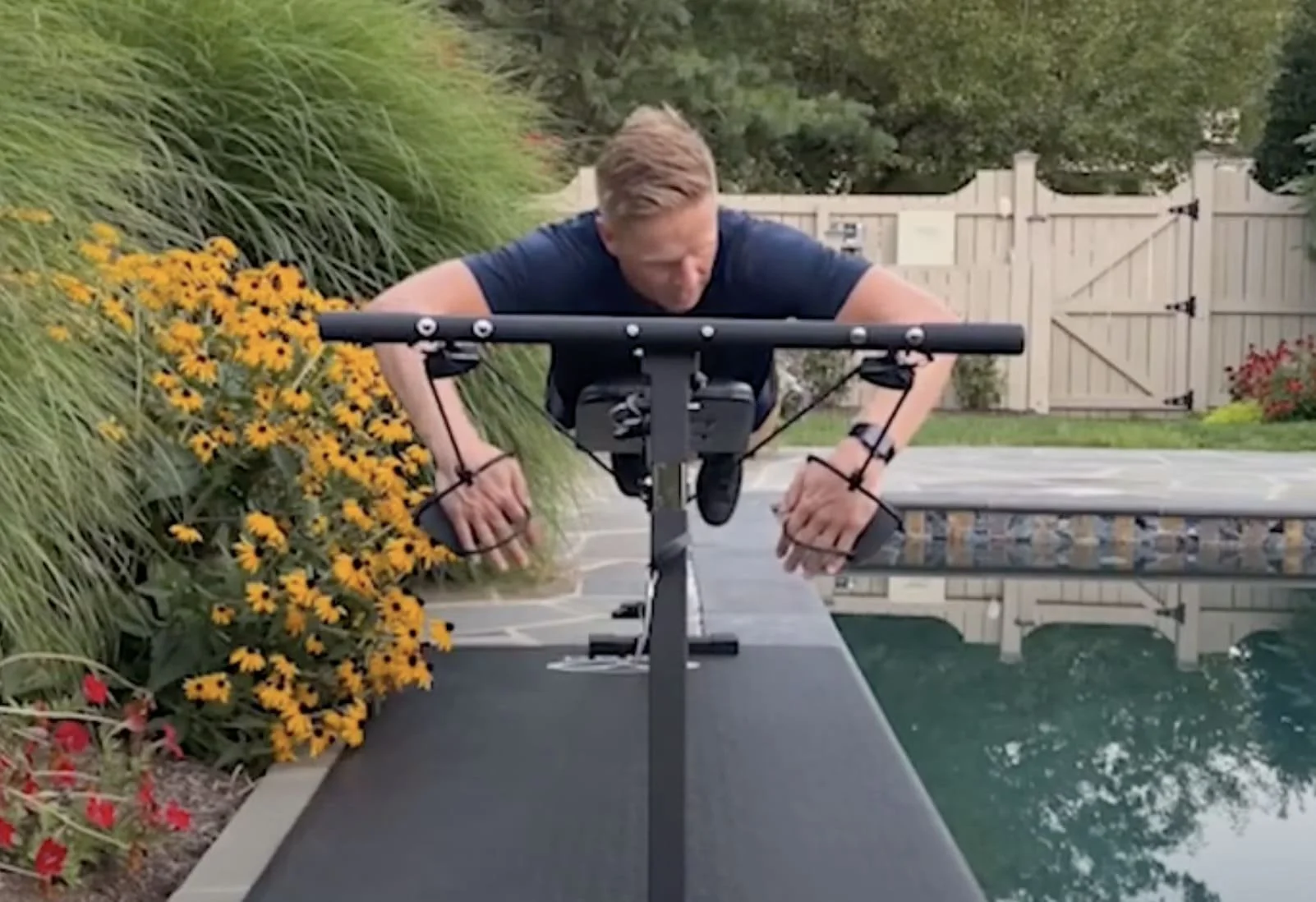
Struggling with swim endurance and strength? The Vasa Trainer Pro is the ultimate dryland tool to boost power, technique, and stamina outside the pool. In this guide, I’ll share proven Vasa Trainer workouts that I use with my athletes to develop swim-specific strength, improve efficiency, and build lasting endurance. Whether you're a competitive swimmer, triathlete, or fitness enthusiast, these structured workouts will help you train smarter. Plus, I’ll cover common mistakes to avoid and the best programming strategies for maximum results. Start training smarter today! Read more.

Read More

Perfect Your Backstroke Flip Turn: A Coach's Proven System

Perfect Your Backstroke Flip Turn: A Coach's Proven System

The backstroke flip turn isn't just a technical skill – it's often the difference between good and great in competitive swimming. In my 15 years of coaching, I've found the most common issue isn't physical – it's psychological. Fear of misjudging the wall or disorientation during rotation causes hesitation, robbing swimmers of efficiency. The good news? I've never met a swimmer who couldn't master this technique with the right approach. My 4-phase method breaks down this complex movement into manageable steps that build confidence and speed simultaneously.

Read More

How to Improve Your Dolphin Kick and Swim Faster

How to Improve Your Dolphin Kick and Swim Faster

The dolphin kick is swimming’s not-so-secret weapon—used by elite swimmers to gain serious speed off every wall. In this guide, I break down how to build a powerful, efficient dolphin kick by focusing on core strength, ankle flexibility, and technique drills that deliver real results. From shaving seconds off race times to improving efficiency during underwater phases, a well-trained dolphin kick can be a true game-changer. I’ll walk you through practical tips, videos, and training progressions to help you develop a race-winning kick - one that starts at your core and finishes with faster, smoother swims.

Read More

Strength Training for Swimmers: The Best Gym Workout to Improve Performance

Strength Training for Swimmers: The Best Gym Workout to Improve Performance

Strength training for swimmers is one of the most effective ways to improve power, efficiency, and durability in the water. This guide breaks down the best gym exercises, a practical workout plan, and how to structure your weekly routine for maximum performance. Learn how to build real strength without losing mobility or feel for the water. If you want your gym work to translate directly into faster swimming, this is where to start.

Read More