

How to Improve Your Backstroke and Drop Time This Season
/Backstroke can be one of the smoothest strokes in swimming — or one of the most frustrating. I’ve worked with swimmers who feel like they're fighting the water on their back, especially when fatigue kicks in. If that sounds like you, you're not alone.
Whether you’re aiming to swim faster backstroke, improve stroke mechanics, or simply understand the fundamentals, this guide will walk you through everything — from body position to sets that actually move the needle.
Let’s break down how to swim backstroke faster and get real results this season.
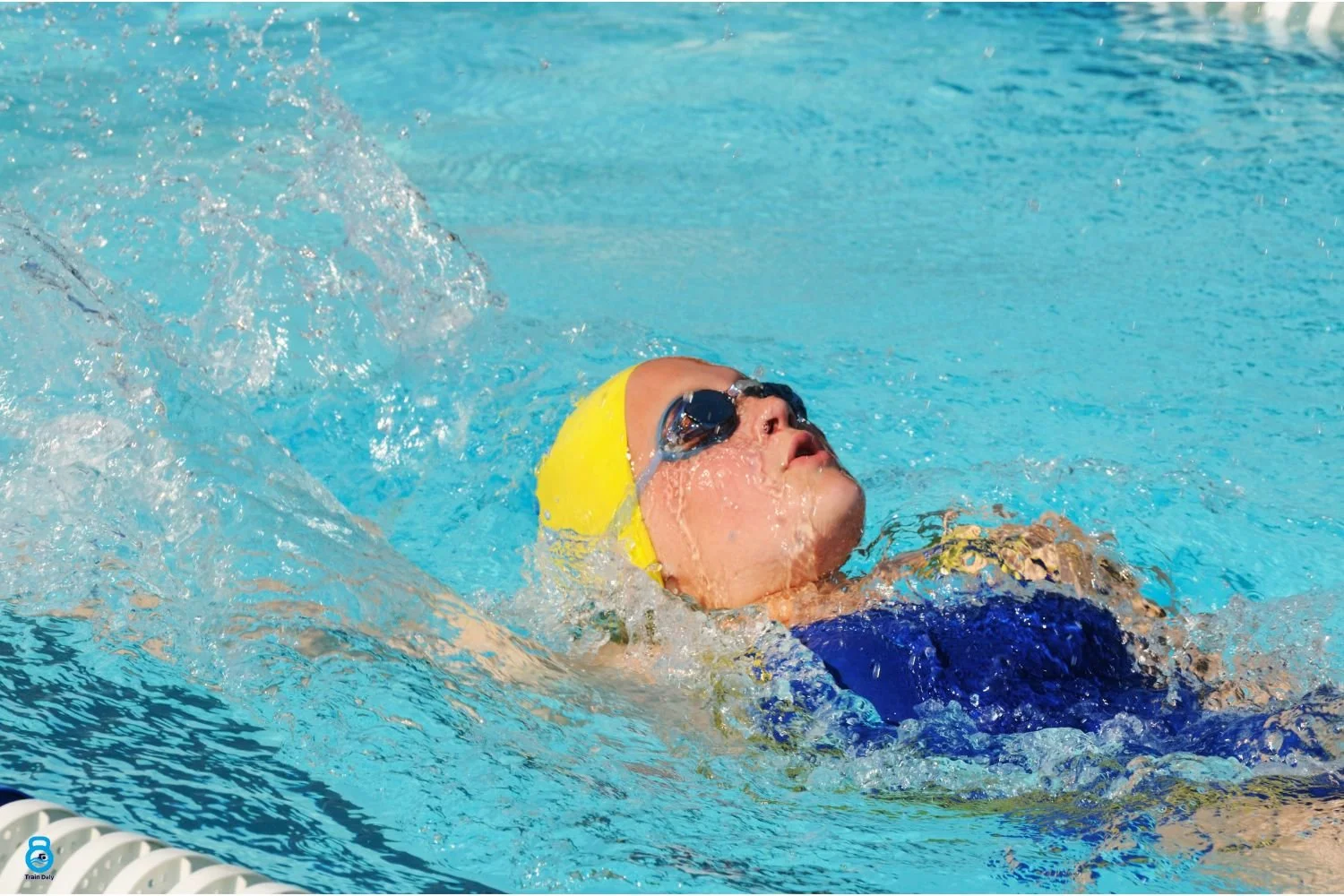
12-day Program
Train with Coach Abbie Fish and Dan Daly using a proven 12-day backstroke system.
Refine technique, improve body position, and build speed with clear daily structure and coach-led video drills.
How to Improve Your Backstroke and Drop Time This Season
Backstroke can be one of the smoothest strokes in swimming — or one of the most frustrating. I’ve worked with swimmers who feel like they're fighting the water on their back, especially when fatigue kicks in. If that sounds like you, you're not alone.
Whether you’re aiming to swim faster backstroke, improve stroke mechanics, or simply understand the fundamentals, this guide will walk you through everything — from body position to sets that actually move the needle.
Let’s break down how to swim backstroke faster and get real results this season.
1. Nail Your Backstroke Body Position
One of the biggest misconceptions in backstroke is thinking you should float "flat" on the water. In reality, your body needs to stay high and aligned with a slight rotation from side to side.
Here's what I coach:
Keep the hips up – If your hips drop, drag increases fast. Kick from the hips and engage the core to keep a horizontal line.
Head position is key – Look straight up, not back. A neutral head allows your hips to stay high and prevents over-arching the spine.
Relax the neck and shoulders – Tension creates resistance. Backstroke should feel long and loose.
✔️ Backstroke Tip: Imagine balancing a cup of water on your forehead during the stroke. It teaches control and minimizes excess movement.
Need a reset on backstroke basics? Watch this Elementary Backstroke video to revisit foundational form and timing. It’s a great reminder of what smooth, effortless swimming should look like.
Elementary Backstroke Video
2. Refine Your Backstroke Technique — One Phase at a Time
If you want to know how to improve backstroke, start by breaking the stroke into phases: the entry, catch, pull, recovery, and kick.
Arm Stroke:
Entry: Pinky enters the water first, just outside the shoulder line.
Catch and pull: Bend the elbow early and push back toward the hip, accelerating through the stroke.
Recovery: Exit with the thumb, and keep a straight arm, rotate from the shoulder and upper spine.
High Tempo - arms constantly move, around 100 strokes per minute. There is no glide or pause in backstroke.
Kick:
Use a steady, tight flutter kick driven from the hips. Toes at the surface, “white or boiling water.”
Constant kick. There is no pause or glide in backstroke..
Your legs should stay narrow and close to the surface — avoid wide or lazy kicks.
✔️ How to do backstroke: Focus on smooth, continuous movement — arms and legs working in rhythm, not opposition.
3. Build Your Feel for the Water
Backstroke is as much about connection to the water as it is about strength. The more efficient your stroke mechanics, the less effort you need to swim fast.
Drills I Use Often:
Single arm backstroke – Helps isolate the pull and refine rotation.
6-kick switch drill – Teaches controlled body roll and kick stability.
Sculling on your back – Builds feel for the water, especially during the catch phase.
These drills improve your awareness in the water and reinforce proper backstroke swim stroke mechanics.
4. Train with Purpose: Backstroke Sets That Work
You don’t need a massive volume of yardage to see results — you need smart sets that target speed, tempo, and technique.
Example Backstroke Set:
8x50 Backstroke as:
2 x drill-swim by 25
2 x smooth pace focusing on technique
2 x negative split
2 x sprint from a push (race tempo)
For Advanced Swimmers:
6x100 Backstroke @ 1:30
Descend 1–3, hold race pace on 4–6
Focus on stroke count and consistent kick
Include kick sets, underwater dolphin kicks, and backstroke pull with paddles to strengthen the full stroke.
✔️ Tip for coaches: Assign a single focus point for each rep (e.g., tempo, breakout, or hand entry). Precision beats repetition.
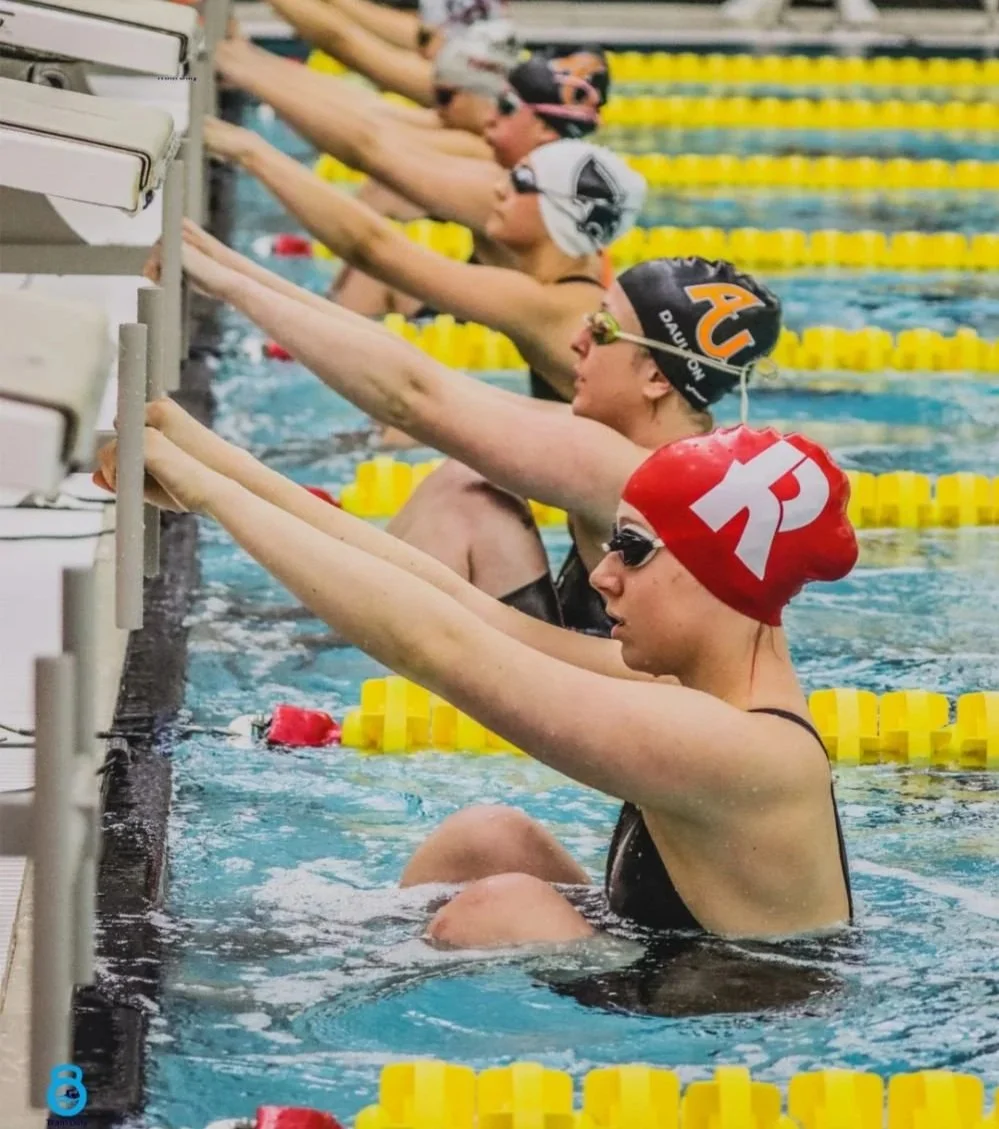
5. Improve Your Backstroke Starts and Turns
In backstrokes in swimming, races are often won or lost on the walls. Don’t let sloppy turns or weak starts steal seconds from your performance.
Backstroke Start Keys:
Start with feet high on the wall and hips close to the surface.
Explode up and backward, clearing the water, and enter with a tight streamline, eyes looking up and back.
Maximize underwater dolphin kicks — aim for 8–10 yards off the start.
Flip Turn:
Spot the flags early and count strokes to the wall.
Tuck tight, rotate quickly, and push off in a straight streamline.
Kick underwater to breakout smoothly into your stroke.
✔️ Backstroke position on breakout: Head back, arms moving before the body lifts too high — stay connected with the water.
Want a deeper dive into flip turn mastery? Read more about perfecting your backstroke flip turn here.
6. Consistency Over Perfection
Most swimmers I coach want instant results. But improving your backstroke — or any stroke — takes consistent focus and deliberate practice. You don’t need to overhaul your technique all at once.
What I Recommend:
Track your stroke count, splits, and effort level across sets.
Film your stroke once every few weeks and compare progress.
Stick to 1-2 key focus points per practice to avoid overwhelm.
Over time, these micro-adjustments build a more efficient and faster backstroke.
Frequently Asked Questions
-
Work on kick endurance separately. Use fins for speed, and without fins to build strength. Try vertical kicking and wall kicks to isolate leg drive.
-
Since your face is up, you can breathe freely — but keep it controlled and rhythmic. Consider a nose plug for better breath control underwater. Breathing strategically above the water, to maximize inflated lungs and buoyancy.
-
Backstroke requires a different kind of coordination and spatial awareness. It's not necessarily harder — but it demands more focus on alignment and rhythm. In backstroke there are no breaks, pauses, or gliding, requiring a constant and high stroke rate and kick.
Backstroke is Built, Not Born
If you want to swim backstroke faster this season, you don’t need a brand new body — you need a better approach. Body position, stroke technique, and targeted sets will get you there.
I’ve seen swimmers drop 2–3 seconds in the 100 back simply by fixing their streamline, cleaning up their entry, and learning to use their legs efficiently. You can do the same.
Focus on feel. Build rhythm. Stay consistent.
And don’t forget to revisit this 12-day backstroke improvement video as your roadmap to structured progress.
Ready to Train Smarter?
Join hundreds of swimmers using the Train Daly approach. Start improving your backstroke with real coaching structure and swimmer-tested systems.
Explore more at Train Daly swimming programs
Author Bio:
Dan Daly is a CSCS-certified swim coach with over 20 years of experience working with high school, collegiate, and masters swimmers. As the founder of Train Daly and creator of the Advanced Swimming Performance System, Dan helps swimmers break through plateaus and swim with purpose.